Understanding Your Polish Lowland Sheepdog's Coat: The Complete Guide to That Shaggy Double Layer
Understanding Your Polish Lowland Sheepdog's Coat: The Complete Guide to That Shaggy Double Layer
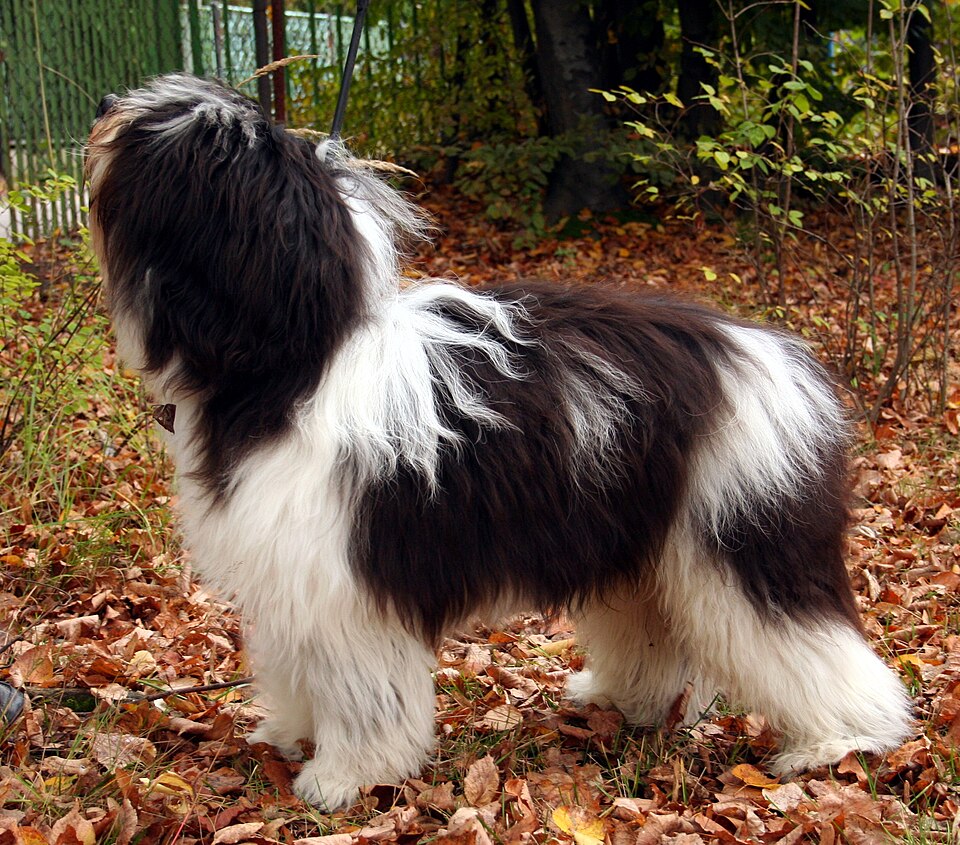
The Polish Lowland Sheepdog's coat is one of the most deceptive in the dog world. It looks carefree and effortlessly shaggy, like the dog just rolled out of bed and could not care less about appearances. In reality, that casual look requires dedicated, consistent maintenance. The PON's coat is a masterfully engineered double-layer system designed for the harsh Polish lowland climate, and understanding how it works is the first step to keeping your dog comfortable and healthy.
The Two-Layer System
The PON's coat consists of two distinct layers that serve different purposes:
The Outer Coat
The outer coat is long, thick, and has a slightly harsh or crisp texture. It can be straight or slightly wavy but should never be silky or curly. This texture is intentional -- the coarseness helps the coat shed dirt, repel water, and resist tangling to some degree.
The outer coat covers the entire body, including the face. A PON's eyes are typically hidden behind a curtain of fur, which serves a functional purpose: protecting the eyes from wind, rain, and debris while the dog works.
Breed standard calls for hair that is "long, dense, shaggy, and thick" -- essentially the densest possible version of the shaggy herding dog look.
The Undercoat
Beneath the outer coat lies a soft, dense, insulating undercoat. This is the layer that causes most grooming challenges. The undercoat is the insulation system -- it keeps the dog warm in winter and, through airflow regulation, cooler in summer.
The undercoat also sheds. When it sheds, the loose hair does not fall to the ground the way it would on a short-coated breed. Instead, it gets trapped in the harsh outer coat. If that dead undercoat is not removed through brushing or professional deshedding, it tangles with the living coat and forms mats. This is the fundamental grooming challenge of the breed.
Shedding Patterns
PONs are sometimes marketed as low-shedding or even hypoallergenic. This is misleading.
PONs do shed. The undercoat goes through shedding cycles, typically heaviest in spring and fall. What happens is that the shed hair stays in the coat rather than falling onto your floor and furniture. You will not find PON hair tumbleweeds around your house the way you would with a Labrador, but that is not because the hair is not shedding -- it is because the hair is getting trapped.
The practical result: less hair on your couch, more matting in the coat. Pick your battle. Most PON owners agree that a clean house with a matted dog is worse than a hairy house with a comfortable dog. Regular brushing gives you both -- a clean house and a comfortable dog.
A veterinary dermatology review found that breeds classified as "low-shedding" actually shed comparable amounts of hair to moderate-shedding breeds -- the difference is where the hair ends up. In PONs, roughly 70% of shed hair remains trapped in the coat.
Coat Development Stages
If you are bringing home a PON puppy, here is what to expect as the coat develops:
8-16 weeks: Soft, fluffy puppy coat. Easy to manage. Introduce grooming tools and handling now so the puppy is comfortable being brushed as the adult coat comes in.
4-8 months: The coat starts thickening. The undercoat begins developing. Brushing frequency should increase from a couple of times a week to three or four times.
8-14 months: The adult coat transition. This is the most challenging grooming period. The puppy coat sheds while the denser adult coat grows in, and the two tangle together aggressively. Some PON owners describe this period as "grooming constantly and still finding mats." It is normal. It is temporary. And it is the most important time to stay consistent with brushing.
14+ months: The adult coat is fully established. Grooming settles into a routine. The coat is at its densest and requires regular maintenance, but the chaotic transition period is over.
Coat Colors and How They Affect Care
PONs come in a wide range of colors: white, gray, brown, black, and various combinations with markings. Color does not significantly affect grooming requirements, but there are a few observations:
- White coats show dirt more easily and may need more frequent bathing
- Black coats can develop a rusty tinge from sun exposure, which is cosmetic and does not indicate a health issue
- Mixed colors sometimes have slightly different textures in different colored areas of the coat
Climate Considerations
The PON was designed for the continental climate of central Poland -- cold winters, warm summers, moderate humidity. Here is how different climates affect the coat:
- Hot, humid climates increase matting speed and skin infection risk. The undercoat retains moisture in humid air, and mats form faster. PONs in the southern US may benefit from a shorter utility trim and more frequent grooming.
- Dry climates can cause static, which leads to tangling. A light detangling spray helps.
- Cold climates are where the coat performs best. The double layer provides excellent insulation, and lower humidity makes the coat more manageable.
Essential Grooming Tools for PON Owners
Your home grooming kit should include:
- Slicker brush -- your primary tool for daily or every-other-day brushing
- Steel comb -- run through the coat after brushing to find hidden tangles
- Undercoat rake -- for removing dead undercoat, especially during shedding season
- Pin brush -- gentler option for face and ear areas
- Detangling spray -- reduces hair breakage and makes brushing easier
- Mat splitter -- for working through small mats before they become large ones
The Line Brushing Technique
This is the most effective brushing method for a PON and it is worth learning:
This technique ensures you are brushing through every layer of the coat, from the skin outward. Surface brushing -- running the brush over the top of the coat -- misses the undercoat entirely and creates a false sense of security. The top looks smooth while mats silently build underneath.
The Bottom Line
Your PON's coat is a working coat with real function: insulation, weather protection, and the shaggy charm that defines the breed. Understanding its structure -- the dense undercoat that traps shed hair, the harsh outer coat that protects against the elements -- helps you give it the care it needs. The coat rewards consistent maintenance with comfort for your dog and fewer surprises at the grooming salon.
PawOps helps grooming salons assess dense double coats like the PON's using condition-based scoring, so every groom is priced according to the actual work the coat needs -- not a generic breed average.