Understanding Your PBGV's Coat: What Every Owner Should Know
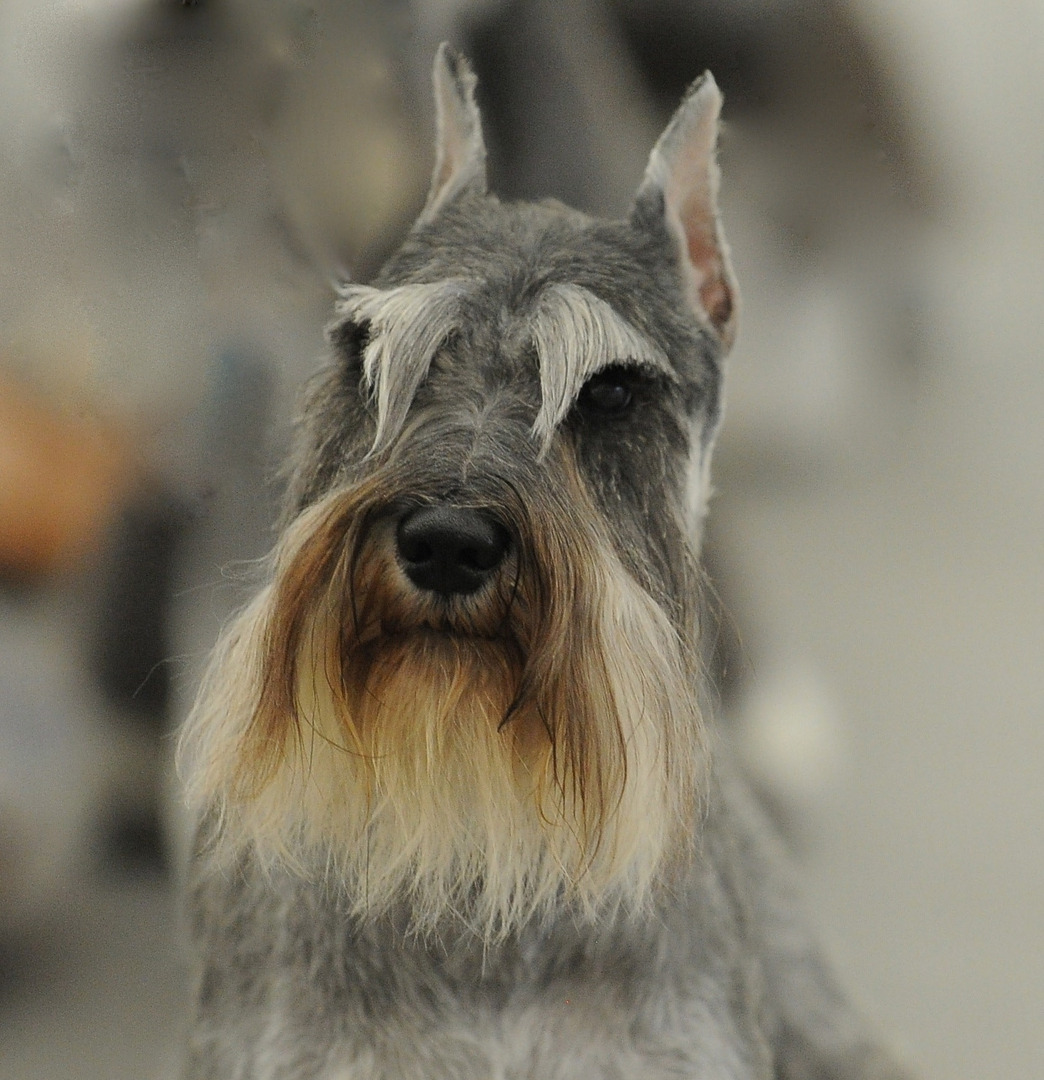
The Petit Basset Griffon Vendeen's coat is French countryside engineering at its finest -- built to crash through the dense, thorny undergrowth of the Vendee region while the dog beneath stays warm, dry, and unscathed. Understanding this coat means understanding that its apparently casual, tousled appearance is actually a specific structure with specific maintenance needs.
Coat Anatomy
The PBGV coat consists of two distinct layers working together:
The outer coat: Long (2-4 inches on the body), harsh, rough-textured hair that stands slightly away from the body. Individual hairs are thick and somewhat wiry. The overall effect should be rough and tousled -- never smooth, flat, or silky. This is the "griffon" (wire-haired) designation in action.
The undercoat: Shorter, softer, and denser. Sits close to the skin and provides thermal insulation. This layer is what makes the PBGV comfortable in both cold and moderate conditions -- and what causes most of the matting problems.
Additionally:
Facial furnishings: Prominent eyebrows that shade the eyes (functional -- protects eyes from brush while hunting), a full beard and mustache, and long ear hair.
Leg furnishings: Longer, feathered hair on the backs of all four legs.
Tail: Well-covered with rough coat, carried like a sword (high and proud).
A 2022 analysis of rough-coated scenthound breeds by the French Kennel Club found that PBGVs have one of the densest undercoats relative to body size among griffon-type breeds -- explaining their exceptional matting tendency.
Why This Coat Exists
Every aspect of the PBGV coat serves their original purpose as a pack scenthound in the Vendee:
The rough outer coat: Acts as armor against thorns, brambles, and the dense gorse bushes of western France. The harsh texture deflects penetration -- thorns catch on the surface rather than reaching skin.
The stand-away quality: Unlike flat-lying coats, the PBGV's coat creates air space between environmental hazards and the dog's skin. Multiple layers of slightly separated hair each catch some debris before it reaches the next layer.
The length: 2-4 inches provides substantial coverage without being so long it catches on every branch. It's optimized for maximum protection with minimum drag.
The undercoat density: The Vendee region of France has a maritime climate -- damp, cool winters and warm (not hot) summers. Dense undercoat insulates against the persistent dampness.
Facial furnishings: Eyebrows protect against eye injuries from brush. The beard protects the throat and chin. Long ear hair provides additional protection for the sensitive ear leather.
The Matting Problem: Why PBGVs Are Maintenance-Intensive
PBGVs mat more than most comparable breeds. Understanding why helps prevent it:
Texture interaction: Rough outer hairs catch on each other. When the dog moves, hairs cross, tangle, and -- if not separated -- felt together.
Undercoat migration: As undercoat sheds (continuously, with seasonal peaks), loose soft hairs migrate into the harsh outer coat. Caught between longer hairs, they create matting nuclei.
Moisture: The coat holds moisture near the base (by design -- preventing skin soaking). But if not dried properly after rain or bathing, that moisture accelerates matting.
Movement zones: Where body parts move against each other (armpits, groin, behind ears), friction creates mats. PBGVs are active, energetic dogs -- they generate a lot of friction.
Length + density: The fundamental equation. Long hair + dense undercoat + active lifestyle = rapid matting without intervention.
Understanding PBGV Coat Colors
PBGVs come in various colors and combinations:
- White with markings (orange, lemon, tricolor, grizzle): Most common
- Tricolor: White with black and tan markings
- Orange and white: Warm orange patches on white
- Black and white: Less common but striking
- White areas show dirt more (may need spot-cleaning between baths)
- Dark-coated areas can hide skin issues (need more careful parting during inspection)
- Sun fading affects darker colors if the coat is left too long
Seasonal Coat Changes
Spring (March-May): Major undercoat shed. The dense winter undercoat loosens and sheds in significant volume. This is the highest-matting-risk period -- loose undercoat caught in the outer coat mats rapidly. Increase brushing frequency.
Summer (June-August): Coat at its lightest. Less undercoat present. Matting risk decreases slightly but doesn't disappear because outer coat length remains constant.
Fall (September-November): New undercoat grows in. The coat gradually thickens and becomes more susceptible to matting as density increases.
Winter (December-February): Maximum coat density. Both layers at full thickness. Higher matting risk from density + moisture + reduced drying between rain events.
Proper Brushing Technique
Brushing a PBGV correctly requires technique, not just frequency:
Tools needed:
- Slicker brush (medium firmness)
- Metal greyhound comb (medium/coarse teeth)
- Detangling spray
- Mat splitter or seam ripper (for starting stubborn mats)
Critical point: If the comb doesn't pass smoothly from skin to tip, there's a mat forming. Address it immediately before it tightens.
Problem areas (give extra time):
- Behind ears (where ear leather meets head)
- Armpits (front leg joins body)
- Groin (rear leg joins body)
- Belly (friction from lying down)
- Between rear legs
- Under the tail (sanitary area)
What NOT to Do with a PBGV Coat
Don't shave it: Removes all weather protection and the coat may grow back with altered texture.
Don't use softening products: The coat should be harsh and rough. Softening shampoos and heavy conditioners change the texture and often increase matting.
Don't brush only the surface: Running a brush over the outer coat makes the dog look brushed while mats tighten at skin level. ALWAYS brush from skin outward.
Don't pull mats apart dry: Mist with detangling spray first. Dry splitting breaks hair and hurts the dog.
Don't neglect the furnishings: Ears, beard, legs, and tail need the same attention as the body. Furnishing mats are painful and restrict movement.
Don't bathe a matted PBGV: Water tightens mats permanently. Always de-mat BEFORE bathing.
Products for PBGV Coats
Shampoo: Texturizing or rough-coat formula. Should clean without softening. Avoid "smoothing" or "silk" products.
Conditioner: Use sparingly -- on furnishings only if they tangle badly. Never on the body coat.
Detangling spray: Essential for brushing sessions. Choose a light formula that doesn't weigh down the coat or alter texture.
Coat spray (for between baths): A light, texturizing spray that freshens without bathing. Useful for the active PBGV who gets into everything.
Diet and Coat Health
PBGV coat quality responds to nutrition:
Essential fatty acids: Omega-3 and Omega-6 in proper ratio support both undercoat density and outer coat texture. Fish oil supplementation recommended.
Protein quality: The coat is protein-based. High-quality animal protein produces demonstrably better coat condition than plant-based fillers.
Hydration: Adequate water intake supports skin health, which supports coat health. Dehydrated skin produces poor coat.
The PBGV Coat Through Seasons of Life
Puppy (to 12 months): Softer, shorter than adult coat. Matting is less of an issue but establishing grooming routine NOW prevents problems later.
Adolescent (12-24 months): Adult coat growing in alongside remaining puppy coat. THIS is when matting becomes serious. The two textures tangle together. Most coat-crisis grooming visits happen in this age range.
Adult (2-8 years): Full coat established. Consistent maintenance keeps everything manageable. The coat is at its most weather-resistant and functional.
Senior (8+ years): Coat may become slightly softer or thinner. Matting tendency may decrease slightly or stay constant. Gentler handling during grooming respects aging joints.
Your PBGV's charming, tousled appearance is the result of purposeful engineering for the hunting fields of France. Maintaining it requires understanding that beneath that happy-go-lucky exterior is a complex coat system that rewards consistent care with comfort, health, and that irresistible scruffy charm.
---
Ready to streamline your grooming workflow? PawOps Board Manager helps salons track every Petit Basset Griffon Vendeen from check-in to pickup with real-time visibility. Start your free 30-day trial →