Understanding Your Lowchen's Coat: What Every Owner Should Know
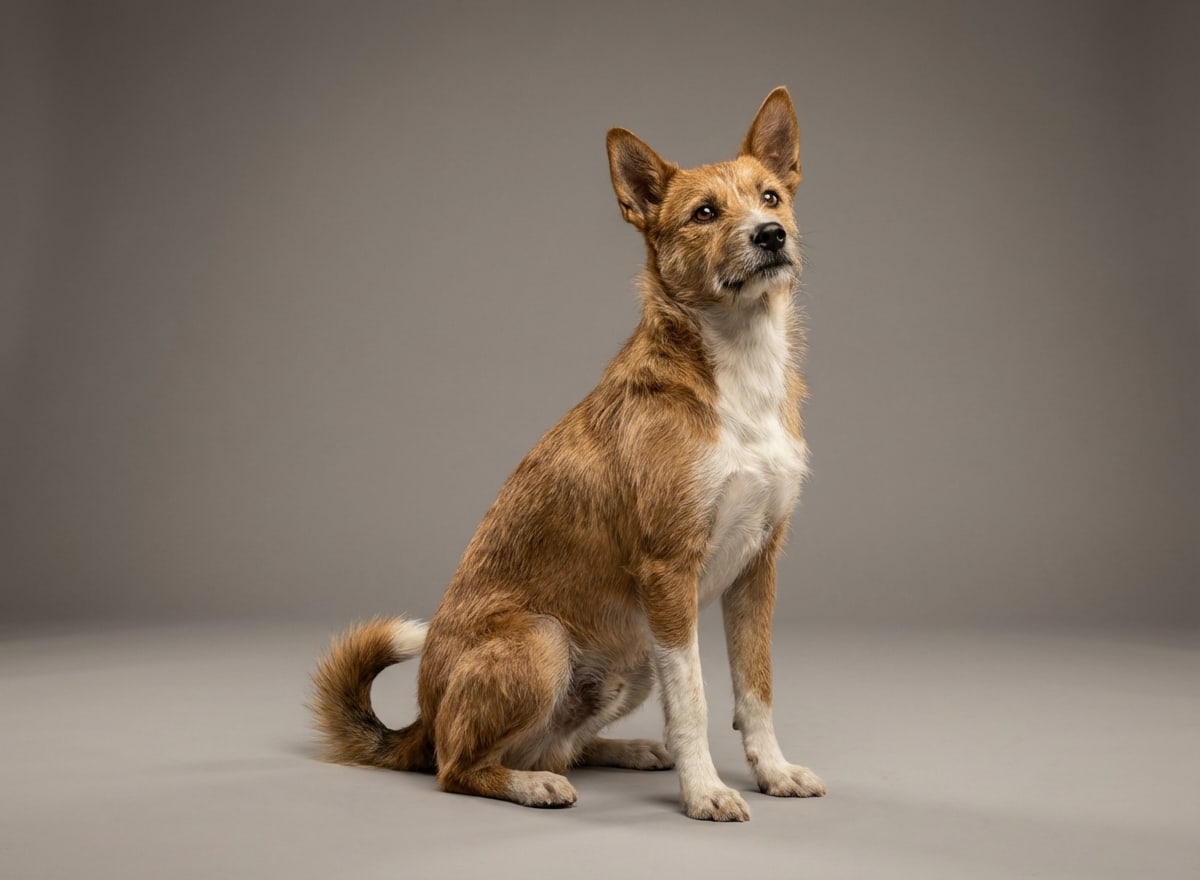
Understanding Your Lowchen's Coat: What Every Owner Should Know
The Lowchen -- German for "little lion" -- has been depicted in art since the 1400s, always wearing some version of the lion clip that defines the breed today. That 600-year consistency tells you something: this coat, and the way it is groomed, is fundamental to what the Lowchen is. Understanding the coat helps you care for it in a way that honors that heritage.
Coat Structure: A Single Layer of Flowing Hair
The Lowchen coat is a single-layer coat with no undercoat:
Hair Type: Long, flowing, and moderately fine. Each hair grows continuously from the follicle, similar to human hair. The texture falls between silky and cottony -- it has more body than a Maltese coat but less density than a Coton de Tulear.
Natural Wave: Many Lowchens have a slight natural wave in the coat. This is acceptable in the breed standard and adds movement and personality. Straight coats are equally correct. Tight curls are not correct.
Length: Untrimmed, the coat grows to approximately ankle length. It does not typically reach true floor length the way a Maltese or Yorkshire Terrier coat does.
Feel: Soft but with body. When you pick up a section of Lowchen coat, it has substance -- it does not collapse or cling the way very fine silk hair does. This body makes it slightly easier to manage than ultra-fine coated breeds.
Color Palette
The Lowchen comes in any color or combination of colors, making it one of the most color-diverse companion breeds:
- Black
- White
- Chocolate (brown)
- Cream
- Gold/fawn
- Blue
- Silver
- Red
- Black and tan
- Parti-color (any combination with white)
- Sable (individual hairs with black tips over a lighter base)
Color may shift subtly with age. Black coats can develop a slightly blue or silver tinge in mature dogs. White coats are prone to tear staining around the eyes.
The Lion Clip: Anatomy of the Pattern
The traditional Lowchen grooming pattern is a specific, codified design:
The Mane (Unclipped):
- Full coat on the head, ears, and entire front half of the body
- The mane extends from behind the last rib to the front
- Hair flows naturally, straight or slightly wavy
- Length is leveled for an even, flowing appearance
- From the last rib back: hindquarters, rear legs, and loin are clipped short
- The clip is clean and even, typically to approximately 1/8 to 1/4 inch
- Creates a dramatic contrast with the flowing front coat
- Small cuffs of hair left at the bottom of each clipped rear leg (and sometimes the front legs)
- Shaped into neat, proportional puffs
- The signature detail of the lion pattern
- The tail is clipped along its length except for the final third, which carries a full plume
- The plume shape should be proportional -- half-moon or oval
- Where full coat meets clipped coat, there should be a graduated blend
- No hard line -- the transition should look natural, as if the coat simply changes
Shedding: The Good News
The Lowchen is a low-shedding breed with characteristics that make it manageable for most households:
- Single-layer coat means no seasonal undercoat blow
- Continuously growing hair stays in the follicle longer than cycling coats
- Dead hairs get trapped in the coat and are removed during brushing
- Household hair deposition is minimal
Coat Development Timeline
Puppy Coat (birth to 8-12 months): Soft, fine, and relatively easy to manage. Most puppies have a shorter, lighter coat that gives a false impression of low maintenance.
Transition Period (8-18 months): The puppy coat begins to change to the adult texture. During this period, matting can increase as the two coat generations tangle. Many owners get their first lion clip during this transition.
Adult Coat (18+ months): The mature coat texture establishes. It has more body and density than the puppy coat. Management becomes predictable once you understand the adult coat's behavior.
For owners who plan to maintain the lion clip, starting the pattern during the transition period helps establish the growth pattern and gets the puppy accustomed to the clipper work.
Maintaining the Coat at Home
For the Lion Clip:
- Brush the mane sections every other day with a pin brush
- Use a metal comb to check for tangles in the flowing coat
- Inspect clipped areas weekly for skin irritation, dryness, or bumps
- Apply pet-safe moisturizer to clipped skin if it appears dry
- Check ankle bracelets for mats forming at the junction with clipped areas
- Brush every day (long coat) or every other day (moderate length)
- Pin brush first, then metal comb to verify
- Focus on friction zones: behind ears, armpits, chest, inner thighs
- Mist with conditioner before brushing -- never brush completely dry coat
- Brush 2-3 times weekly
- Light maintenance only -- short coat resists most matting
- Longer face and head hair still needs regular attention
Tools for Lowchen Owners
- Pin brush (polished tips): The primary brush for the flowing coat. Gentle on skin, effective through moderate density.
- Metal greyhound comb (wide and fine tooth): Essential for checking your work and finding developing tangles.
- Conditioner spray: Light mist before brushing prevents static and breakage.
- Small slicker brush: For tight areas like behind the ears and between the pads.
- Grooming scissors: For minor touch-ups between professional visits (face hair, paw pads).
Common Coat Issues
Mat Formation: Most common behind ears, in armpits, and at the junction between clipped and unclipped areas (lion clip). Prevention: consistent brushing schedule.
Tear Staining: Particularly visible on white or light-colored Lowchens. Keep the eye area trimmed and clean daily. Pet-specific tear stain wipes help.
Sunburn on Clipped Skin: The hindquarters of a lion-clipped Lowchen are exposed to UV. In summer, pet-safe sunscreen on clipped areas prevents burning.
Coat Texture Change: Hormonal shifts (spay/neuter), age, or nutritional changes can alter coat texture. If the coat becomes woolly, cottony, or loses its natural body, consult your veterinarian.
A Coat With 600 Years of History
The Lowchen coat is not just hair -- it is heritage. From Renaissance palaces to modern living rooms, this breed's flowing mane and lion clip have remained essentially unchanged for six centuries. Whether you maintain the traditional lion pattern or choose a practical modern clip, understanding this coat means understanding the breed. Care for it well, and you carry forward a tradition that connects your little lion to centuries of companion dog history.
---
Ready to streamline your grooming workflow? PawOps Board Manager helps salons track every Lowchen from check-in to pickup with real-time visibility. Start your free 30-day trial →
Related Reading: