Why Your Lhasa Apso Needs Professional Grooming (That Ancient Coat Demands It)
Why Your Lhasa Apso Needs Professional Grooming (That Ancient Coat Demands It)
The Lhasa Apso was bred as a sentinel dog in Tibetan monasteries, and their coat reflects that heritage -- long, dense, heavy, and designed to protect against Himalayan winters at elevations above 13,000 feet. That's the coat now sitting on your couch.
If you're a Lhasa Apso owner who's been managing with occasional home brushing and rare baths, you're likely already dealing with the consequences: mats, tangles, skin issues, and a dog who's uncomfortable under all that neglected coat.
Professional grooming isn't a luxury for a Lhasa Apso. It's the only way to properly maintain one of the most complex coats in the small breed world.
The Coat Is the Whole Story
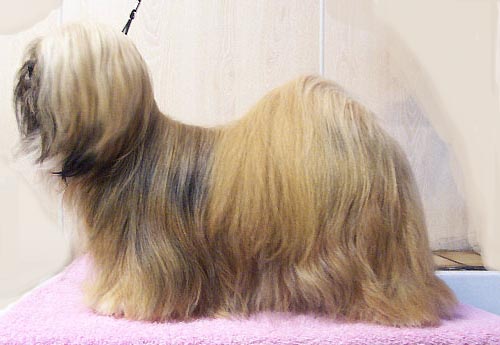
Lhasa Apsos have a long, straight, dense coat that hangs to the floor when fully grown. This isn't Poodle-type hair that keeps growing indefinitely -- it's a double coat with a softer undercoat and a heavier, coarser outer coat. But it does grow long enough to create serious management challenges.
Here's what makes the Lhasa Apso coat uniquely demanding:
Length. In full coat, Lhasa Apso hair can reach 8-12 inches or longer. That length means tangles form quickly, especially in friction zones like behind the ears, under the legs, and around the collar area.
Texture changes. Lhasa Apso coats transition from a softer puppy coat to a coarser adult coat between 8 months and 2 years of age. During this transition, matting becomes severe because the two textures tangle together. This is the period where professional grooming is most critical.
Double layer density. The undercoat is soft and fine; the outer coat is heavy and straight. These two textures interact differently with moisture, brushing, and air flow. Managing both layers simultaneously requires tools and technique that go beyond a standard brush.
Floor-length vulnerability. A Lhasa in full coat drags their hair through everything they walk on -- wet grass, muddy floors, food bowls, their own urine. Keeping a full coat clean is a daily battle that most pet owners eventually lose.
Matting: The Lhasa Apso's Greatest Enemy
Matting is the single biggest reason Lhasa Apsos end up at the groomer in distress. And once mats set in a Lhasa coat, they tighten with every movement the dog makes.
Here's a fact that shocks many owners: a severely matted Lhasa Apso coat can actually restrict blood circulation to the skin beneath. The mats pull tight, the skin becomes irritated and inflamed, and in extreme cases, the skin underneath can develop infections, bruising, or even necrosis.
Professional groomers use line brushing -- working through the coat layer by layer from the skin outward -- to prevent and remove mats safely. This technique requires:
- A quality pin brush
- A metal comb for verification
- Detangling spray
- Patience (lots of it)
- Knowledge of where Lhasa coats mat first and worst
Professional Lhasa Apso Grooming: What's Involved
A complete Lhasa Apso professional grooming session includes:
Pre-bath brushing and dematting. The coat must be tangle-free before water touches it. Wet mats are cement.
Bath with coat-appropriate shampoo. Lhasa coats need shampoo that cleans without drying, followed by conditioner that makes the coat manageable without weighing it down.
Thorough drying. A Lhasa Apso must be completely dried -- moisture trapped in that dense double coat causes hot spots, mildew smell, and more matting.
Post-bath brushing and combing. The entire coat is brushed and combed through again to remove any tangles that formed during the bath.
Haircut or trim (for pet clips). Most pet Lhasa Apsos are kept in a shorter clip (puppy cut, teddy bear cut, or modified clip) that's manageable between grooming visits. This involves scissor or clipper work over the entire body.
Facial grooming. Lhasa Apsos have hair that grows over their eyes. Whether you keep bangs, use a topknot, or trim the face, this needs professional attention.
Sanitary trim. The long coat around the rear and belly must be kept clean and trimmed for hygiene.
Nail trim, ear cleaning, teeth care. Standard services that are essential for overall health.
Total time for a Lhasa in full coat: 2-3 hours. In a shorter pet clip: 1.5-2 hours. Either way, it's a significant grooming investment.
The Puppy Cut Question
Let's address the elephant in the room: most pet Lhasa Apsos are not maintained in full show coat. And that's perfectly fine.
A puppy cut or teddy bear cut keeps the body coat at 1-2 inches, the face trimmed to a manageable length, and the whole package easier to maintain between visits. This is the most popular choice for pet Lhasa Apsos, and it makes life better for both the dog and the owner.
Does a shorter cut eliminate the need for professional grooming? Not even close. A puppy cut still requires:
- Professional clipping and scissoring every 4-6 weeks
- Face and ear trimming
- Sanitary area maintenance
- Complete skin and coat assessment
- Professional bathing and drying
How Often Should Your Lhasa Apso See a Groomer?
The answer depends on the coat length you maintain:
- Full show coat: Every 2-3 weeks (most pet owners can't manage this)
- Moderate length (3-4 inches): Every 3-4 weeks
- Puppy cut (1-2 inches): Every 4-6 weeks
Skipping grooming appointments is the number one way Lhasa Apso coats spiral into matting emergencies. Once you're behind schedule, recovery is painful (for the dog), expensive (dematting surcharges), and sometimes impossible (shave-down becomes the only option).
Choosing a Groomer for Your Lhasa Apso
Look for:
- Experience with small, long-coated breeds
- Willingness to discuss cut styles and maintenance plans
- Understanding of the Lhasa coat transition (puppy to adult coat)
- Patience -- Lhasa Apsos can be opinionated about grooming
- A cool, calm environment (Lhasa Apsos don't thrive in chaotic, noisy salons)
---
Ready to streamline your grooming workflow? PawOps Board Manager helps salons track every Lhasa Apso from check-in to pickup with real-time visibility. Start your free 30-day trial →