Why Your Lakeland Terrier Needs Professional Grooming (Yes, Even the Tough Ones)
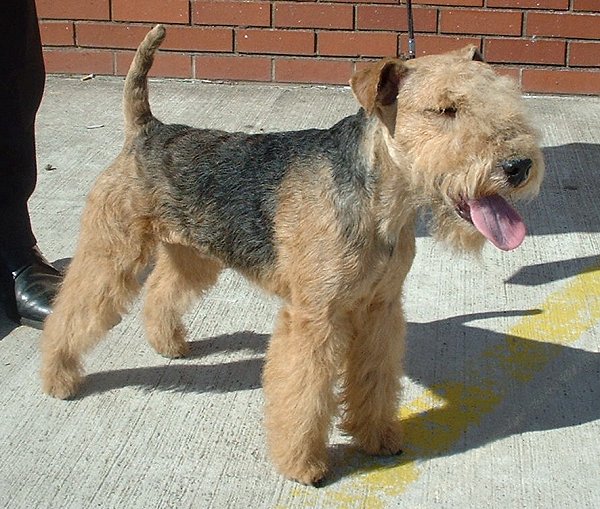
Why Your Lakeland Terrier Needs Professional Grooming (Yes, Even the Tough Ones)
Lakeland Terriers are small dogs with big personalities and coats that punch well above their weight class in the grooming department. These compact terriers -- typically 15 to 17 pounds of pure determination -- carry a dense, wiry double coat that was built for scrambling through rocky Lake District terrain in pursuit of foxes. That coat served them brilliantly in the English countryside. In your living room, it needs professional help.
What Makes the Lakeland Coat Special
The Lakeland Terrier has a classic wire-coated terrier coat, but with its own quirks. The outer coat is hard, dense, and wiry -- designed to protect against brambles, water, and cold. The undercoat is soft and provides insulation. Together, they create a weather-resistant shell that keeps the dog comfortable in harsh conditions.
What makes the Lakeland's coat distinctive among wire-coated terriers is its density relative to the dog's size. Pound for pound, Lakelands have one of the thickest coats in the terrier group. The AKC breed standard specifically calls for a coat that is "dense and weather-resisting" with a "good undercoat." All that coat on a small frame means a lot of grooming work packed into a compact package.
Professional Grooming Is Not Optional for This Breed
Here is the reality: Lakeland Terriers do not shed their dead outer coat naturally. Like other wire-coated breeds, the dead hairs stay in the follicle until they are manually removed. If nobody removes them, the coat becomes progressively softer, denser, and more prone to matting. The dog ends up carrying around a layer of dead, textureless fur that traps heat, moisture, and debris against the skin.
A professional groomer handles this through either hand-stripping (pulling out dead wire hairs by the root) or clipping (cutting the hair to length). Both methods have their place, and a knowledgeable groomer can help you decide which is right for your dog and your budget.
What Professional Grooming Includes for a Lakeland
- Body coat stripping or clipping -- removing dead coat and shaping the terrier silhouette
- Head shaping -- Lakelands have a distinctive rectangular head shape that requires specific scissor and clipper work
- Beard and eyebrow maintenance -- trimming and shaping the facial furnishings that give Lakelands their expressive look
- Leg furnishing care -- the longer hair on the legs needs combing, detangling, and shaping
- Undercoat removal -- raking out loose undercoat, particularly important during seasonal changes
- Ear cleaning -- checking for debris and excess hair in the ear canal
- Nail trimming -- Lakelands are active dogs but still need regular nail maintenance
- Sanitary trim -- keeping the rear and belly area clean
The Consequences of Skipping Professional Grooming
Lakeland owners who try to skip the groomer eventually learn the hard way:
- Coat texture degrades. Without stripping or proper clipping, the wire coat becomes woolly and loses its weather-resistant properties. A soft Lakeland coat mats much faster than a properly maintained wire coat.
- Matting builds invisibly. The dense undercoat felts against the skin underneath the outer coat. You cannot see it from the outside until it is severe enough to change how the coat lies. By that point, the mat is pulling on the skin and causing discomfort.
- Skin problems hide. Lakelands can be prone to skin irritation, and a neglected coat makes it worse by trapping moisture and allergens. Groomers check the skin during every appointment -- they often catch issues weeks before owners notice symptoms.
- The terrier shape disappears. A Lakeland Terrier in proper coat looks sharp, athletic, and well-defined. A Lakeland with a neglected coat looks like a small, scruffy dog of indeterminate breed. The breed's silhouette depends on grooming.
How Often Should a Lakeland Terrier Be Groomed
| Grooming Method | Frequency | Home Care Between Visits | |----------------|-----------|-------------------------| | Hand-stripping | Every 8-10 weeks | Weekly brushing, daily beard wipe | | Clipping | Every 6-8 weeks | Twice-weekly brushing, daily beard wipe | | Show maintenance (rolling) | Weekly to biweekly | Daily coat attention |
Lakelands in pet trim can stretch slightly longer between appointments than some terrier breeds because their coat grows at a moderate pace. But "stretch" does not mean "skip." Consistency matters more than frequency.
Finding a Groomer Who Knows Terriers
This is genuinely important for Lakeland owners. The Lakeland Terrier is a relatively uncommon breed -- the AKC ranks them among the least common terrier breeds in terms of annual registrations. Not every groomer has seen one, let alone groomed one regularly.
Look for a groomer who:
- Has experience with wire-coated terriers (Welsh Terriers, Wire Fox Terriers, Airedales)
- Understands the Lakeland's head shape and how it differs from other terriers
- Can offer both hand-stripping and clipping and explain the tradeoffs
- Is willing to work with you on a maintenance schedule rather than just waiting for the dog to look messy
Why This Small Dog Is Worth the Grooming Investment
Lakeland Terriers are one of those breeds where grooming is inseparable from the dog's identity. A well-groomed Lakeland is a striking little dog -- compact, confident, and put-together. More importantly, proper grooming keeps their functional coat doing its job: protecting the skin, regulating temperature, and resisting the dirt and debris that an adventurous terrier encounters daily.
This is not a high-maintenance coat for the sake of appearance. It is a working coat that needs maintenance to keep working. Your groomer is your partner in keeping that coat -- and the dog wearing it -- in top condition.
PawOps helps grooming salons assess wire-coated terrier breeds using condition scoring and breed-specific grooming profiles -- so your Lakeland Terrier gets expert care even at a salon that does not see one every day.