Why Your Finnish Spitz Needs Professional Grooming (That Golden Coat Is Working Harder Than You Think)
Why Your Finnish Spitz Needs Professional Grooming (That Golden Coat Is Working Harder Than You Think)
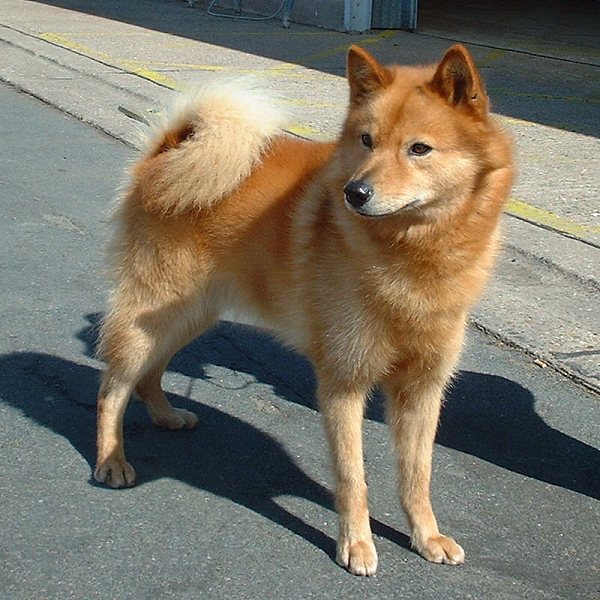
The Finnish Spitz -- affectionately called the "Finkie" -- has one of the most beautiful coats in the spitz family. That glowing golden-red double coat with its fox-like texture is the breed's defining feature. It is also a coat that needs more professional attention than its clean appearance suggests. Under that gorgeous exterior is a dense, complex double coat system that benefits significantly from regular professional care.
The Finnish Spitz Coat: Fox-Like Beauty, Serious Structure
The Finnish Spitz has a dense, stand-off double coat that gives the breed its characteristic rounded, foxy silhouette. The outer coat is medium length, harsh, and stands away from the body (rather than lying flat like a Collie's). The undercoat is short, soft, and dense -- the insulation layer that protected these dogs during Finnish winters.
The coat is longer on the ruff (neck and chest), the backs of the thighs, and the impressively plumed tail. Males generally develop more coat than females, particularly in the ruff area.
This stand-off coat structure means the Finnish Spitz looks larger than it actually is -- the coat adds significant visual volume to a dog that typically weighs only 20 to 33 pounds.
Why Professional Grooming Is Essential
Undercoat Management
The Finnish Spitz's dense undercoat is the primary grooming challenge. It sheds in volume that surprises owners who chose the breed partly for its clean appearance. During the spring coat blow, the undercoat comes out in tufts and clouds, and the plumed tail can look moth-eaten during the transition.
A professional groomer with a high-velocity dryer removes dead undercoat far more efficiently than home brushing. The forced air penetrates through the stand-off outer coat and blasts dead undercoat free. Without this professional-level removal, dead undercoat compacts against the skin and:
- Disrupts the coat's natural stand-off structure (the coat falls flat when the undercoat is compacted)
- Traps heat (dangerous for a breed adapted to cold that may struggle in warm climates)
- Creates moisture retention conditions
- Produces the "doggy smell" that Finnish Spitz owners report when grooming is overdue
Maintaining the Stand-Off Structure
The Finnish Spitz's coat should stand away from the body, creating that rounded silhouette. When the undercoat is properly maintained -- not too thin, not too compacted -- it provides the structural support that makes the outer coat stand correctly.
A professional groomer understands how to remove dead undercoat without over-removing the live undercoat that gives the coat its structure. This is a more delicate balance than it sounds. Over-zealous deshedding can temporarily flatten the coat; under-deshedding leaves it clumped and lumpy.
The Natural Look Preservation
The Finnish Spitz should never look groomed in the traditional sense -- no shaped outlines, no scissored edges, no sculpted styling. The breed should look completely natural. Professional grooming for a Finkie is about maintaining the coat's natural appearance, not creating one. This requires a groomer who understands that less visible grooming effort is the goal.
According to the Finnish Spitz Club of America, the breed's coat should appear "self-maintaining" even though it is not. The grooming should be invisible -- supporting the natural look without altering it.
Skin Health
Finnish Spitz have generally healthy skin, but the dense undercoat can mask issues. A groomer examining the skin during a bath and blow dry catches allergies, hot spots, or parasites that hide under the thick coat.
A Surprising Fact About Finnish Spitz Coats
Here is something most people do not know: the Finnish Spitz's signature golden-red color actually changes through the year. The coat is typically brightest and most vivid right after the new coat grows in following the spring shed. As the coat ages and is exposed to sun, it can lighten slightly -- particularly on the back and topline. This sun-bleaching is normal and not a sign of nutritional issues. When the next coat cycle brings fresh hair, the vivid color returns. Groomers and owners who notice a seasonal color shift in their Finkie can attribute it to this natural UV effect.
What Happens Without Professional Grooming
- Coat loses its stand-off structure -- falls flat, looks dull and lifeless instead of the characteristic rounded foxy shape
- Undercoat compacts -- creates heat retention, odor, and skin irritation
- Shedding becomes unmanageable -- without professional removal, dead coat sheds continuously in the home rather than being efficiently removed at the groomer
- The tail degrades -- the plumed tail is the Finkie's pride, and without care it can mat at the base and lose its flowing appearance
Grooming Frequency
| Period | Frequency | Focus | |--------|-----------|-------| | Normal months | Every 6-8 weeks | Maintenance bath, blow dry, undercoat management | | Coat blow (spring/fall) | Every 3-4 weeks | Intensive deshedding |
Between appointments, brush two to three times weekly. During the coat blow, daily brushing prevents dead coat from matting into the live coat.
Finding the Right Groomer
Look for:
- Experience with spitz breeds (Shiba Inu, Samoyed, Keeshond, Finnish Spitz)
- Understanding that the coat should look natural and untrimmed
- High-velocity drying equipment
- Knowledge that the stand-off coat structure should be preserved, not flattened
- Willingness to NOT scissor or shape the coat
PawOps helps grooming salons assess spitz-type coats using condition scoring that preserves the natural stand-off structure while managing undercoat density -- so your Finnish Spitz looks naturally magnificent at every appointment.