Understanding Your Finnish Spitz's Coat: The Golden Fox of the Dog World
Understanding Your Finnish Spitz's Coat: The Golden Fox of the Dog World
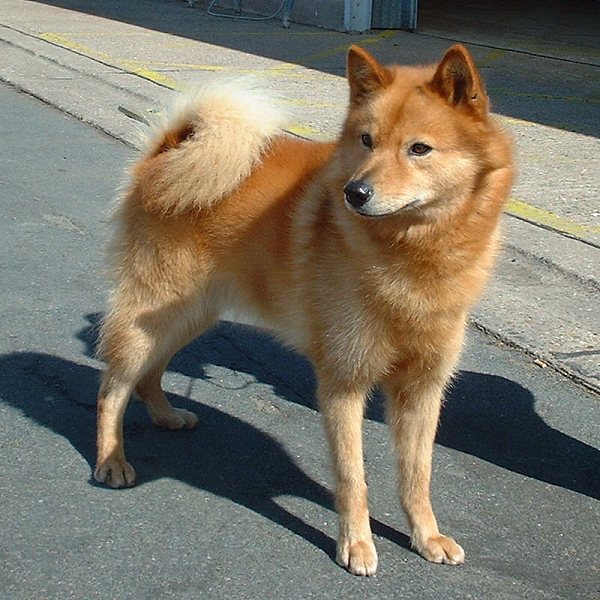
The Finnish Spitz's coat is its crowning glory -- a glowing, golden-red double coat that gives this breed its unmistakable fox-like appearance. When properly maintained, the coat has a luminous quality that catches light beautifully. Understanding the coat's structure, behavior, and needs will help you keep your Finkie looking like the foxy showstopper they are.
The Coat Architecture
The Stand-Off Structure
The most distinctive feature of the Finnish Spitz coat is its "stand-off" quality. Unlike flat-lying coats (Collies, Labs) that follow the body's contour, the Finnish Spitz's outer coat stands away from the body at a slight angle. This creates the breed's characteristic rounded, foxy silhouette -- the dog appears fuller and more substantial than their actual body underneath.
This stand-off effect is achieved by the undercoat pushing the outer coat outward. When the undercoat is properly dense and healthy, it acts as structural support for the outer coat. This is why undercoat management is so important -- too much dead undercoat compresses and flattens the structure; too little live undercoat lets the outer coat collapse against the body.
The Outer Coat
Medium length, harsh, and straight. The individual hairs are strong and resilient, with a slight natural sheen that contributes to the coat's luminous appearance. The coat is longest on the ruff (a pronounced mane on males), the backs of the thighs, and the spectacularly plumed tail that curls over the back.
The texture is important -- it should be crisp and stand-offish, not soft or silky. A correct Finnish Spitz coat has body and life to it, springing back when pushed against the growth direction.
The Undercoat
Short, soft, dense, and pale -- often significantly lighter in color than the outer coat. When you part a Finnish Spitz's fur, the pale undercoat is visible beneath the golden-red outer layer. This color difference is one way to assess undercoat health -- if the pale layer is not visible, the undercoat may be thin or absent (worth discussing with your vet).
The undercoat thickens in cold weather and thins in warm weather, following seasonal cycles that trigger the coat blow events.
The Color That Glows
The Finnish Spitz's color is one of the most beautiful in the dog world -- a clear, bright golden-red that seems to glow from within. The color ranges from honey gold to deep reddish-gold, with the breed standard preferring a bright, clear hue without muddiness.
Some color characteristics worth knowing:
- Puppies are born darker -- often a deep brownish-red or even grayish. The characteristic bright golden-red develops as the adult coat grows in.
- Sun lightening -- the topline and back can lighten from sun exposure over the summer, creating a slightly two-toned effect. This is normal.
- Saddle shading -- some Finnish Spitz develop slightly darker coloring on the back (a "saddle") which is acceptable in the breed standard.
- White markings -- small white markings on the toes and a narrow white chest stripe are permitted. These white hairs have the same texture as the colored coat.
Shedding Patterns
Finnish Spitz shed moderately year-round with two significant coat blow events:
Year-round: Consistent light to moderate shedding. The fine undercoat hairs are the primary shed material. You will find them on dark clothing and furniture.
Spring coat blow: The major event. The winter undercoat loosens en masse over two to four weeks. The dog can look patchy, the tail may thin dramatically, and tufts of pale undercoat push through the outer coat in visible clumps. The volume is genuinely impressive for a 20-to-33-pound dog.
Fall coat blow: A moderate shed as the lighter summer undercoat transitions to the denser winter version. Less dramatic than spring.
Gender difference: Male Finnish Spitz typically carry more coat than females and have more dramatic coat blow events. Intact females may experience an additional coat blow after their heat cycle.
The Tail: A Special Feature
The Finnish Spitz's plumed, curled tail is one of its most distinctive features and deserves its own discussion. The tail coat is long, flowing, and dramatic -- often the longest fur on the dog. It curls forward over the back and falls to either side.
The tail coat is both a showpiece and a maintenance challenge:
- It can develop mats at the base where the curl creates a pressure point
- Dead undercoat accumulates in the plume, making it look thin or ragged
- The tail is where shedding is most visually obvious during the coat blow
- A well-groomed Finnish Spitz tail is full, flowing, and evenly furred
Coat Care Philosophy
The Finnish Spitz coat should always look natural. The grooming philosophy for this breed is:
- Support the natural structure (maintain proper undercoat density)
- Remove dead coat (allow the live coat to function correctly)
- Preserve the texture (no products that soften or flatten)
- Never trim or shape (the coat's beauty is in its natural form)
Home Care Routine
- Brush 2-3 times weekly with a slicker brush for the outer coat and an undercoat rake for the undercoat
- Daily during coat blow to prevent dead coat from matting into live coat
- Check the tail base and behind ears for developing tangles
- Use a steel comb after brushing to verify no hidden tangles
- Bathe every 6-8 weeks with a gentle shampoo that does not soften the harsh coat texture
Tools
- Slicker brush -- primary tool for outer coat detangling
- Undercoat rake -- essential for reaching dead undercoat beneath the stand-off outer coat
- Steel comb -- for finishing and tangle checks
- Pin brush -- gentle option for the face and ears
- High-velocity dryer (if you have one at home) -- the single most effective tool for undercoat removal
When the Coat Tells You Something
- Flat, lifeless coat -- undercoat either compacted (dead coat pressing it down) or depleted (possible health issue)
- Dull color -- nutritional deficiency, particularly omega fatty acids
- Patchy shedding -- normal during coat blow, but if persistent outside shedding season, check with your vet
- Soft, silky texture change -- can occur after spaying/neutering due to hormonal changes; requires adjusted grooming
PawOps helps grooming salons preserve the natural beauty of spitz-type coats using condition scoring that maintains stand-off structure while managing undercoat density -- because the Finnish Spitz coat should look effortlessly magnificent.