Why Your Chipoo Needs Professional Grooming
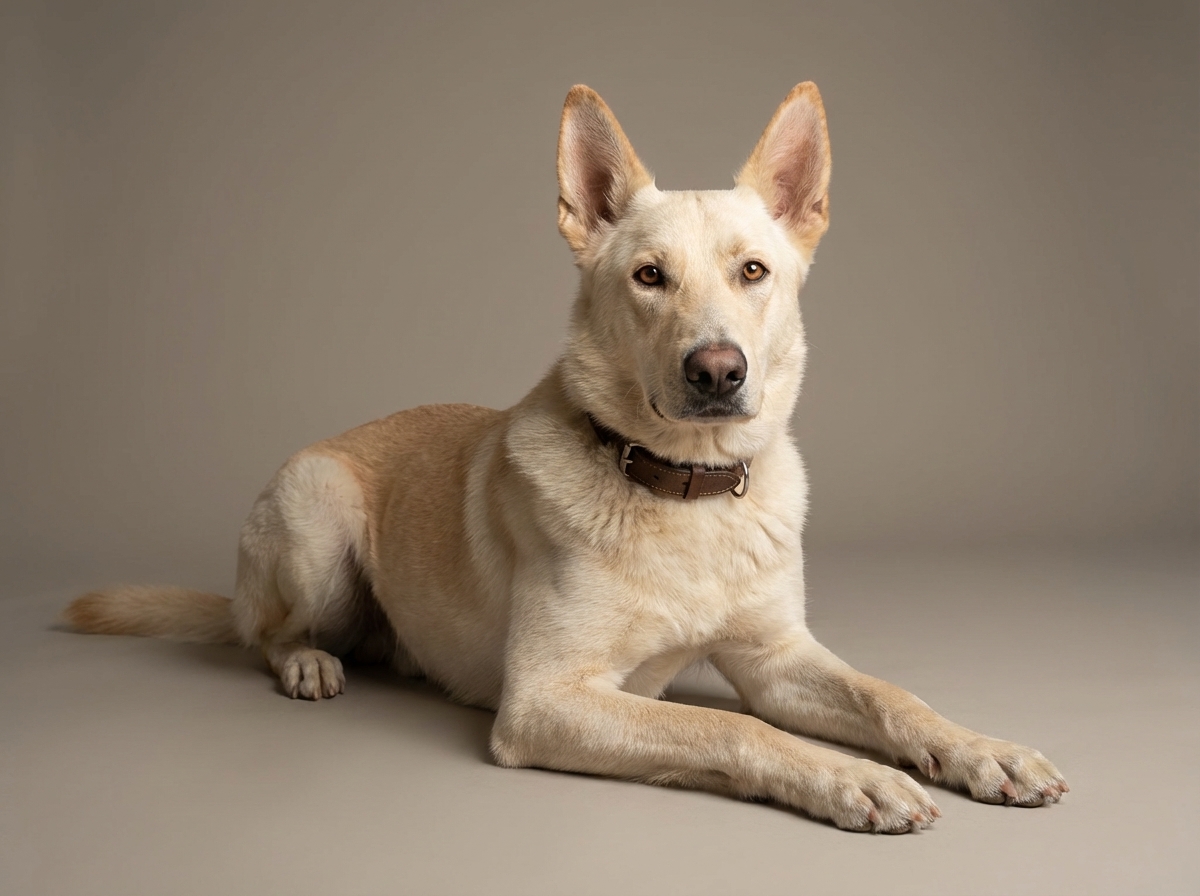
The Chipoo -- a Chihuahua crossed with a Toy or Miniature Poodle -- is tiny, spirited, and rocking a coat that could go in any number of directions. Some Chipoos have the short, smooth coat of a Chihuahua. Others inherit the curly, continuously growing coat of a Poodle. Most land somewhere in between with a soft, wavy texture that needs more attention than owners expect from a dog that weighs 5-15 pounds.
Professional grooming isn't just for big dogs with dramatic coats. Your little Chipoo needs it too -- and here's why.
The Unpredictable Coat
Chipoo coats are a genetic coin flip. What you might get:
- Smooth/short (Chihuahua-dominant): Lower maintenance but still sheds and needs skin care
- Curly (Poodle-dominant): Grows continuously, requires regular haircuts, mats without maintenance
- Wavy/medium (blend): The most common outcome -- moderate length, prone to tangles, needs professional shaping
- Long and silky (long-haired Chihuahua x Poodle): Beautiful but tangles easily, especially behind ears and on the legs
Small Dogs Mat Faster
Here's something many small-dog owners don't realize: small dogs are prone to matting because they spend more time being held, worn in carriers, lying on furniture, and wearing clothing. Friction causes tangles.
Common matting triggers for Chipoos:
- Harnesses and collars rubbing against the coat
- Being carried against clothing (armpit and chest matting)
- Sleeping burrowed in blankets (full-body friction)
- Sweaters and coats pressing the coat flat
- Collar areas that never get brushed
Dental Health Connection
Chipoos inherit the Chihuahua's notorious dental issues -- small jaw, crowded teeth, and rapid tartar buildup. While dental care isn't strictly grooming, many professional groomers offer teeth brushing as part of their service.
For a breed predisposed to dental problems, having teeth brushed every 4-6 weeks during grooming (in addition to home care) makes a measurable difference in oral health over the dog's lifetime.
Eye and Face Care
Both parent breeds contribute to eye-area concerns:
- Chihuahua influence: Prominent eyes prone to tearing, discharge, and sensitivity
- Poodle influence: Hair growth around the eyes that can irritate or block vision
- Tear staining (reddish-brown streaks under the eyes)
- Hair that grows into or around the eyes
- Discharge that mats in the facial hair
- Sensitivity around the eye area
Temperature Regulation for a Tiny Body
Chipoos are small. Really small. Most weigh under 15 pounds. That tiny body has a high surface-area-to-mass ratio, which means they lose body heat quickly and are sensitive to temperature extremes.
Professional groomers understand that tiny dogs:
- Chill quickly when wet (faster drying times are essential)
- Can overheat under dryers if not monitored carefully
- Need temperature-appropriate haircut lengths (not too short in winter)
- Require gentle handling that doesn't stress their small frames
Nail Care Matters More Than You Think
Small dogs are notorious for overgrown nails. Why? Because they're carried more, walk on soft surfaces more, and many owners are nervous about trimming tiny nails with tiny quicks.
Overgrown nails on a Chipoo cause:
- Altered gait on their already-delicate joints
- Discomfort walking on hard surfaces
- Nails curling into paw pads (more common in small breeds than large ones)
- Increased risk of catching and tearing
The Handling Challenge
Chipoos can be... opinionated about grooming. The Chihuahua influence sometimes brings:
- Trembly nervousness (especially early on)
- Snappy responses to handling they don't appreciate
- Resistance to foot handling
- Dramatic vocal objections
- Move slowly and gently
- Use minimal restraint
- Offer breaks when needed
- Don't trigger fear responses through force
- Build trust over multiple appointments
Grooming Frequency by Coat Type
- Smooth/short coat: Every 6-8 weeks (bath, deshed, nail, ear)
- Wavy coat: Every 5-6 weeks (bath, trim, detangle, nail, ear)
- Curly coat: Every 4-5 weeks (bath, haircut, mat prevention, nail, ear)
FAQ
My Chipoo weighs 6 pounds. Do they really need a professional groomer? Yes. Size doesn't eliminate grooming needs -- it often intensifies them. Small dogs have small nails that are hard to trim safely, coats that mat from being carried, and skin that needs regular monitoring.
How do I choose a groomer for my Chipoo? Look for experience with toy breeds specifically. Ask about their handling approach for nervous small dogs. A groomer who primarily works with medium-large breeds may not have the right touch for a 6-pound dog.
My Chipoo has tear stains that won't go away. Can a groomer help? Groomers can clean existing stains and maintain the face area. Persistent tear staining often has a dietary or anatomical cause -- discuss with your vet if cleaning alone doesn't resolve it.
What haircut should I get for my Chipoo? Depends on coat type and your maintenance commitment. A short puppy cut (1-2 inches all over) is practical and cute. Longer styles are possible if you brush daily. Your groomer will recommend based on your dog's specific coat.
My Chipoo shakes and cries at the groomer. What should I do? This is common in Chihuahua mixes. Short, frequent visits build confidence. Ask about "puppy package" or socialization visits where minimal work is done. Consistency with the same groomer helps. Avoid consoling nervous behavior -- calm, matter-of-fact energy works better.
---
Ready to streamline your grooming workflow? PawOps Board Manager helps salons track every Chipoo from check-in to pickup with real-time visibility. Start your free 30-day trial →
Related Reading: