Understanding Your Boykin Spaniel's Coat: What Every Owner Should Know
Understanding Your Boykin Spaniel's Coat: What Every Owner Should Know
The Boykin Spaniel's coat is a masterpiece of function -- bred over generations to protect a dog that works in South Carolina's swamps, lakes, and dense brush. Understanding how that coat works helps you care for it properly and avoid the mistakes that lead to skin problems, discomfort, and expensive veterinary visits.
Coat Structure: Two Layers Working Together
Your Boykin Spaniel has a true double coat consisting of two distinct layers:
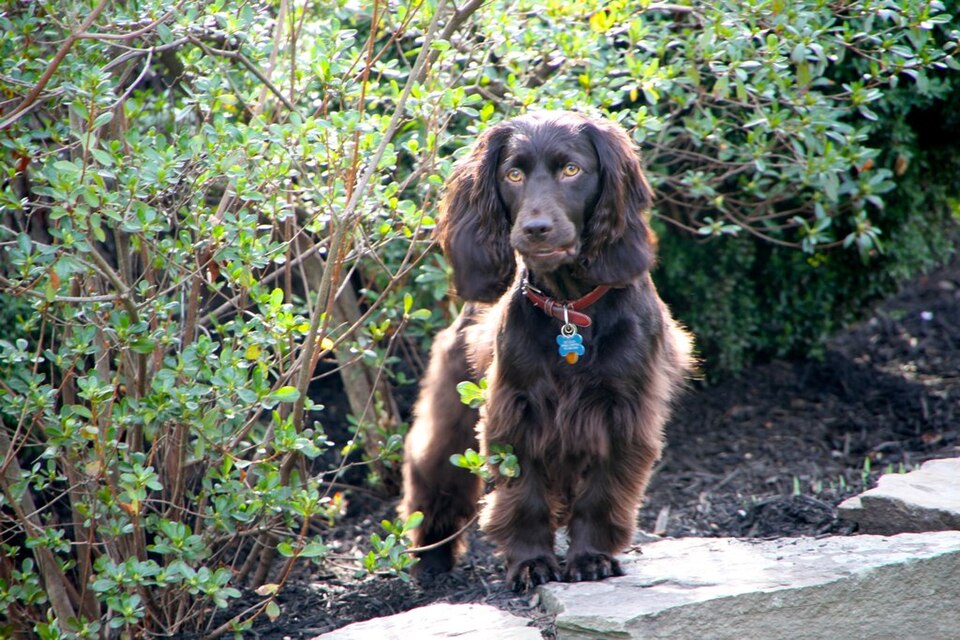
The Topcoat (Guard Hairs): These are the longer, slightly wavy to curly hairs you see and feel. They range from flat to moderately wavy depending on the individual dog's genetics. The topcoat is water-resistant, helping shed water after swimming. It also provides UV protection and shields against brush, thorns, and insects.
The color ranges from rich liver to dark chocolate brown, sometimes with small white markings on the chest (which are acceptable in the breed standard). The topcoat has a natural sheen when healthy -- dull, dry-looking guard hairs signal nutritional deficiency or improper grooming products.
The Undercoat: Beneath the guard hairs lies a dense, softer layer that provides insulation. This undercoat is what makes the Boykin comfortable in cold water and cool air. It also makes them warmer in summer if not properly maintained through de-shedding.
The undercoat grows and sheds on a cycle. Twice a year -- typically spring and fall -- your Boykin will "blow" their undercoat, releasing large amounts of dead undercoat hair. This is normal and necessary, but it requires active management.
The Feathering Factor
Beyond the double coat, Boykin Spaniels develop moderate feathering on several areas:
- Ears: Long, silky hair drapes from the pendant ears
- Chest: A moderate ruff develops
- Legs: The backs of the front legs and thighs develop longer hair
- Belly: Light feathering along the underline
- Tail: Natural plume (traditionally docked, but natural tails have significant feathering)
Shedding Patterns: What to Expect
Boykin Spaniels are moderate shedders year-round with two heavy shedding periods:
Daily Shedding: Light to moderate. You will find brown hairs on furniture and clothing, but it is manageable with regular brushing. On a scale of 1-10, daily Boykin shedding rates about a 4-5.
Seasonal Blow: In spring (shedding winter undercoat) and fall (shedding summer coat to grow denser winter coat), shedding increases dramatically for 2-4 weeks. During this period, daily brushing is necessary to prevent the loose undercoat from matting against the skin.
Swimming Impact: Dogs that swim frequently shed undercoat faster and may not have as dramatic seasonal blows, but they develop their own challenges with moisture retention and water quality affecting coat health.
Common Coat Problems and Their Causes
Matting
Where it happens: Behind ears, in armpits, between hind legs, and along the belly feathering.
Why it happens: Dead undercoat tangles with live hair when not brushed out. Moisture accelerates the process. A Boykin that swims and is not properly dried and brushed afterward will mat within days.
What it causes: Matted hair pulls on the skin causing discomfort. Severe mats restrict airflow to the skin, creating hot spots and bacterial infections. Mats also trap parasites close to the skin.
Hot Spots
What they are: Acute moist dermatitis -- inflamed, oozing patches of skin that appear suddenly.
Why Boykins get them: The combination of dense undercoat, moisture-trapping feathering, and active outdoor lifestyle creates perfect conditions. A mat that holds moisture against the skin for 24-48 hours can trigger a hot spot.
Prevention: Regular brushing, thorough drying after swimming, and professional de-shedding during seasonal blows.
Dry, Brittle Coat
What it looks like: Guard hairs lose their sheen, feel rough, and break easily.
Common causes: Over-bathing with harsh shampoos that strip natural oils. Using human products. Nutritional deficiency (particularly omega-3 fatty acids). Over-exposure to chlorinated pool water.
Fix: Reduce bath frequency, switch to pH-balanced canine shampoo, supplement with fish oil (consult your vet on dosage), and rinse thoroughly after pool swimming.
The Coat Care Calendar
Here is a practical schedule for maintaining your Boykin's coat throughout the year:
Weekly (All Year):
- Brush with slicker brush: 2-3 sessions, 10-15 minutes each
- Check ears for odor, redness, or excess wax
- Check paw pads for debris or matted hair
- Professional grooming appointment
- Ear cleaning and feathering trim
- Nail trim
- Sanitary trim
- Full undercoat removal
- Daily brushing during coat blow (2-4 week periods)
- Consider an extra professional de-shedding treatment
- Increase protein and omega-3 intake to support new coat growth
- Rinse with fresh water immediately
- Dry thoroughly -- especially ears and underbelly
- Brush once dry to prevent mat formation
Tools Every Boykin Owner Needs
Invest in quality tools that match the coat type:
- Slicker brush: For daily brushing and working through light tangles
- Metal greyhound comb: For checking thoroughness after brushing (if the comb glides through, you are done)
- Undercoat rake: For removing dead undercoat during shedding season
- Pin brush: Gentle option for feathered areas
- Ear cleaner: Veterinary-approved solution for weekly ear maintenance
- High-absorbency towel: For post-swim drying
What Not to Do
Avoid these common mistakes that damage the Boykin Spaniel coat:
Never shave the coat: Shaving removes both layers, damages follicles, and the coat often grows back patchy or with altered texture. The double coat actually insulates from heat -- removing it makes them hotter, not cooler.
Never use human shampoo: The pH is wrong for canine skin and strips protective oils.
Never skip drying after swimming: A wet undercoat that dries naturally without brushing is the number one cause of mats and skin issues in this breed.
Never ignore ear maintenance: Those beautiful pendant ears require active care. Ignoring them invites infection.
Your Boykin's Coat Tells a Story
A healthy Boykin Spaniel coat is shiny, slightly wavy, rich in color, and moves naturally with the dog. It should feel smooth on the topcoat and dense when you push your fingers through to the undercoat. If you notice dullness, excessive shedding outside normal patterns, bald patches, or persistent scratching -- those are signals that something needs attention, whether nutritional, medical, or grooming-related.
Understanding the coat means understanding your dog. The more you know about how those two layers work together, the better partner you become in keeping your Boykin comfortable, healthy, and looking like the sporting breed they were born to be.
---
Ready to streamline your grooming workflow? PawOps Board Manager helps salons track every Boykin Spaniel from check-in to pickup with real-time visibility. Start your free 30-day trial →
Related Reading: