Understanding Your Xoloitzcuintli's Skin: What Every Owner Should Know
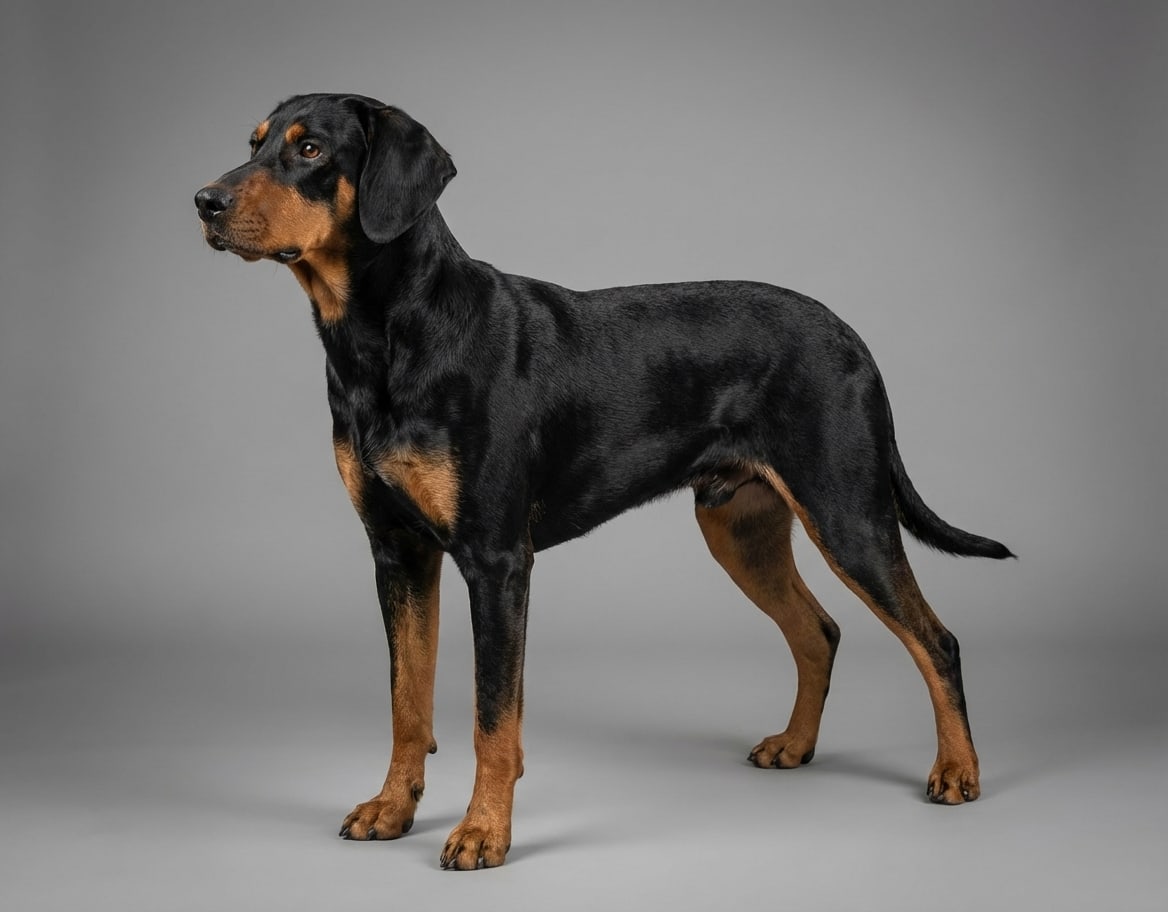
Understanding Your Xoloitzcuintli's Skin: What Every Owner Should Know
Owning a Xoloitzcuintli means thinking about skin the way most dog owners think about coat. For a hairless breed, skin IS the coat -- it is the visible exterior, the protective barrier, and the primary grooming focus. Understanding how Xolo skin works, what it needs, and what can go wrong is fundamental to owning this breed well.
The Genetics: Why Xolos Are Hairless
The Xoloitzcuintli's hairlessness is caused by a mutation in the FOXI3 gene -- a dominant allele that disrupts hair follicle development. This same gene affects tooth development, which is why hairless Xolos commonly have dental irregularities (missing premolars, peg-shaped teeth, or early tooth loss).
Important genetic facts:
- Hairlessness is dominant -- only one copy of the gene is needed for hairless expression
- The gene is semi-lethal -- dogs with two copies (homozygous) do not survive, which is why all hairless Xolos carry one hairless and one coated gene
- Every hairless Xolo litter can produce coated puppies -- approximately 25% of puppies from hairless-to-hairless breedings will be fully coated
- Some hairless Xolos have tufts of coarse hair on the head, feet, or tail tip -- this is normal variation within the hairless type
Skin Structure Without Hair
Xolo skin differs structurally from the skin beneath a coated dog's fur:
Epidermis (outer layer):
- Thicker than in coated breeds -- compensates for lack of fur protection
- Higher melanin content in darker-skinned individuals (natural UV protection)
- More prone to cornification (buildup of dead skin cells) without the mechanical exfoliation hair provides
- pH typically between 6.5-7.0 (slightly different from coated-breed skin at 5.5-7.5)
- Sebaceous glands present but modified -- without hair shafts to distribute oil, it accumulates on the surface
- Sweat glands more active than in furred dogs (Xolos actually sweat through their skin)
- Blood vessels closer to the surface, making Xolos feel warm to the touch
- The skin is tougher than it looks but still vulnerable to cuts and abrasions
- Xolos feel notably warm -- their skin temperature registers higher than coated dogs because you are touching dermis directly rather than through insulating fur
- Dead skin cell buildup happens faster and more visibly than on furred dogs
- Oil management is a constant balancing act
The Acne Cycle: Understanding Breakouts
Acne is the most common skin complaint from Xolo owners. Understanding the cycle helps manage it:
The cycle is preventable at steps 3-4 with regular exfoliation and appropriate cleansing. Once it progresses to step 7, veterinary intervention may be needed.
Acne-prone areas:
- Face (especially chin and muzzle)
- Neck
- Along the back/spine
- Chest
- Belly
- Inner legs
- Tail
Sun and UV Sensitivity
Without fur, Xolo skin is directly exposed to ultraviolet radiation. The level of natural protection varies with skin color:
- Dark/black skin: Highest natural melanin protection. Can tolerate moderate sun exposure but still burns with prolonged time (2+ hours direct summer sun).
- Gray/slate skin: Moderate protection. Burns with 1-2 hours of direct summer sun.
- Light/pinkish skin: Minimal protection. Burns in as little as 20-30 minutes of direct summer sun.
- Solar dermatitis (chronic sun damage)
- Premature skin aging and thickening
- Increased risk of skin tumors (though research on rates in Xolos specifically is limited)
- Hyperpigmentation in chronically exposed areas
- Apply pet-safe sunscreen (zinc-free, titanium dioxide or organic filters) before outdoor time
- Reapply every 2 hours during extended exposure
- Use UV-protective clothing for prolonged outdoor activities
- Provide shade access at all times
- Limit direct sun during peak hours (10 AM - 4 PM)
Temperature Sensitivity
Without insulating fur:
Cold sensitivity: Xolos feel cold temperatures directly. Most need clothing when temperatures drop below 60 degrees Fahrenheit. Below 45 degrees, they need insulated coats for any outdoor time beyond quick bathroom trips. Prolonged cold exposure risks hypothermia faster than coated breeds.
Heat: Xolos actually manage heat well because they can radiate body warmth directly through their skin (like a car radiator). They are less prone to overheating than heavily coated breeds. However, hot surfaces (pavement, metal) can burn their skin on contact -- the same surfaces that burn coated dogs' paw pads will burn a Xolo's belly if they lie down.
Moisturizing: The Balancing Act
Xolo skin needs moisture management, but the approach is more nuanced than "apply lotion daily":
Dry areas (common locations: elbows, knees, belly):
- Need moisture-rich products
- Best ingredients: shea butter, aloe, vitamin E, hyaluronic acid
- Apply after baths when skin is slightly damp for better absorption
- Need oil-free products or no product at all
- Over-moisturizing these zones worsens acne
- Light, water-based products only if needed
- Winter/dry climates: increase moisturizing frequency to daily
- Summer/humid climates: reduce moisturizing, focus on cleansing
- Heated indoor environments: humidifiers help prevent overall dryness
The Coated Variety
For completeness: approximately 25% of Xolos born in hairless-to-hairless litters are fully coated. These dogs have a short, smooth, flat-lying coat that requires minimal care:
- Standard weekly brushing
- Bathing every 4-6 weeks
- No skin-specific care needed
- No sun sensitivity
- No acne tendency
Skin Health Indicators
Healthy Xolo skin:
- Smooth, warm, slightly resilient to touch
- Even color (darkening in sun-exposed areas is normal)
- Minimal visible blackheads
- No open lesions, cracks, or raw areas
- Light natural oil level -- feels like clean human skin
- Acne becomes inflamed or pustular (veterinary dermatology)
- New growths or masses appear (any new lump should be examined)
- Skin becomes excessively dry and cracking (may need prescription products)
- Color changes rapidly in a specific area (potential sign of infection or deeper issue)
- Itching or discomfort is constant (allergies or parasites)
Home Skincare Routine
Daily (5 minutes):
- Visual skin scan (look for new spots, irritation, or breakouts)
- Moisturize dry areas lightly
- Wipe face/chin if blackheads are building
- Gentle bath with pH-balanced cleanser
- Mild exfoliation with soft washcloth
- Post-bath moisturizing on damp skin
- Nail check
- Adjust products for humidity/dryness
- Increase sun protection in summer
- Add clothing layer in cooler months
- Review with groomer if skin condition changes