Why Your Wire Fox Terrier Needs Professional Grooming (More Than You Think)
Why Your Wire Fox Terrier Needs Professional Grooming (More Than You Think)
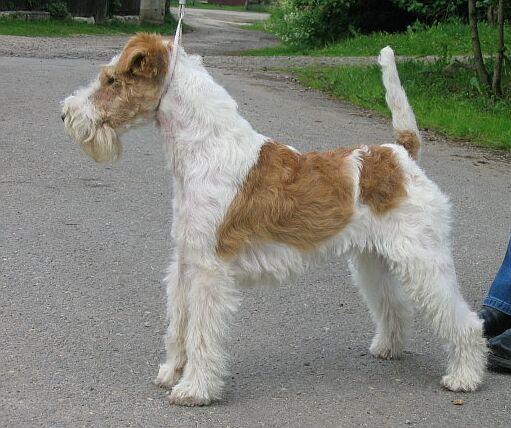
The Wire Fox Terrier is a showstopper. That crisp, angular silhouette with the perfectly sculpted beard and tight jacket is one of the most recognizable looks in the dog world. What most people do not realize is that look does not happen by accident -- and it definitely does not happen without professional grooming.
Of all terrier breeds, the Wire Fox Terrier arguably has the most grooming-intensive coat. Even if you never plan to enter a show ring, understanding why professional grooming matters will keep your Wire Fox healthy, comfortable, and looking sharp.
What Makes Wire Fox Terrier Grooming Different
The Wire Fox Terrier has a dense, wiry double coat with a tight outer jacket and a shorter, softer undercoat. The outer coat should feel hard and bristly to the touch -- almost like running your hand over a coconut doormat. That texture is not just aesthetic. It is functional armor.
The Wire Fox Terrier was originally bred to bolt foxes from their dens. That harsh coat protected them from bites, thorns, and underground debris. The tight lay of the jacket keeps dirt from penetrating to the skin, and the coarse texture sheds water.
Maintaining this coat properly requires hand stripping -- a technique where dead outer coat hairs are pulled from the root using fingers or a stripping knife. This is specialized work. Only about 15% of professional groomers in the US are experienced with terrier hand stripping, which makes finding the right groomer a real task in itself.
The Health Consequences of Skipping Professional Care
Wire Fox Terriers that do not receive regular professional grooming face specific health risks.
Skin infections from undercoat buildup. The Wire Fox Terrier's undercoat grows continuously. Without regular removal, it compacts against the skin, trapping heat and moisture. This creates ideal conditions for bacterial pyoderma and fungal infections. Veterinary dermatology data shows that terrier breeds with unmanaged undercoats are significantly more likely to present with chronic skin conditions.
Ingrown hairs. When dead outer coat hairs are not removed (either through stripping or natural shedding), they can push back into the follicle as new growth comes in. This causes folliculitis -- inflamed, irritated hair follicles that look like small red bumps on the skin.
Eye irritation. The Wire Fox Terrier's prominent eyebrows and facial furnishings can grow into the eyes if not regularly trimmed and shaped. Hair rubbing against the cornea causes irritation and can lead to ulceration if left unchecked.
Ear canal issues. Like most terriers, Wires grow hair inside the ear canal. Without regular plucking by a groomer, this hair traps wax, moisture, and debris, leading to ear infections.
What a Professional Wire Fox Terrier Grooming Session Includes
A full grooming session for a Wire Fox Terrier is a substantial undertaking. Depending on the method, expect 90 minutes to three hours:
- Hand stripping the jacket -- pulling dead outer coat to maintain correct texture and color
- Shaping the head and beard -- the Wire Fox Terrier's facial expression depends on precise trimming of the eyebrows, beard, and cheek furnishings
- Leg furnishing grooming -- the breed standard calls for straight, dense leg hair that requires regular combing and shaping
- Undercoat raking -- removing loose undercoat, especially during seasonal transitions
- Bath with texturizing shampoo -- formulas designed to maintain coat harshness rather than soften it
- Force dry -- proper drying technique that straightens the leg furnishings and sets the coat
- Ear plucking and cleaning -- maintaining clear ear canals
- Nail trim and paw pad trim -- functional grooming for foot health
- Sanitary trim -- keeping the rear area clean
Hand Stripping: Why It Is Not Optional for This Breed
Let us be blunt -- if you clip a Wire Fox Terrier, you change the dog. Not just cosmetically, but functionally.
Hand stripping removes dead hairs from the root, stimulating new growth with the correct wiry texture. The new coat comes in with tight, tapered tips that repel dirt and water. The colors stay vibrant -- the blacks stay black, the tans stay rich.
Clipping cuts hairs at the shaft. Within two to three clip cycles, the coat transforms:
- Hard texture becomes soft and fluffy
- Colors fade and blur together
- The tight jacket opens up and puffs
- Dirt sticks instead of shedding naturally
- The coat mats far more easily
How Often Should You See a Professional
For hand stripping, every 6 to 8 weeks is ideal for maintaining a rolled coat (where the groomer strips in stages so the dog always looks neat). A full strip-down, where the entire coat is removed at once, can be done every 10 to 12 weeks, though the dog will go through an awkward grow-out period.
For clipped Wire Fox Terriers, every 4 to 6 weeks keeps the coat from becoming unruly.
Between professional sessions, brush three to four times per week. Focus on the beard (which collects food and water), the leg furnishings (which tangle after walks), and the underside of the body.
Finding the Right Groomer
This is not a breed you take to any salon. You need a groomer who:
- Has specific experience with wire-coated terrier breeds
- Can hand strip (ask to see examples of their work)
- Understands terrier breed silhouettes and head shapes
- Will not default to clipping without discussing it with you first
The Bottom Line
A Wire Fox Terrier without professional grooming is like a sports car without oil changes -- it still runs, but not the way it was designed to. That wiry double coat needs expert hands to stay healthy, functional, and looking the way the breed was meant to look. Professional grooming is not vanity for this breed. It is maintenance.
PawOps helps grooming salons price wire-coated terrier breeds accurately using coat type, condition scoring, and grooming method -- so every dog gets the specialized care it requires.