Understanding Your Westie's Coat: The White Double Coat Explained
Understanding Your Westie's Coat: The White Double Coat Explained
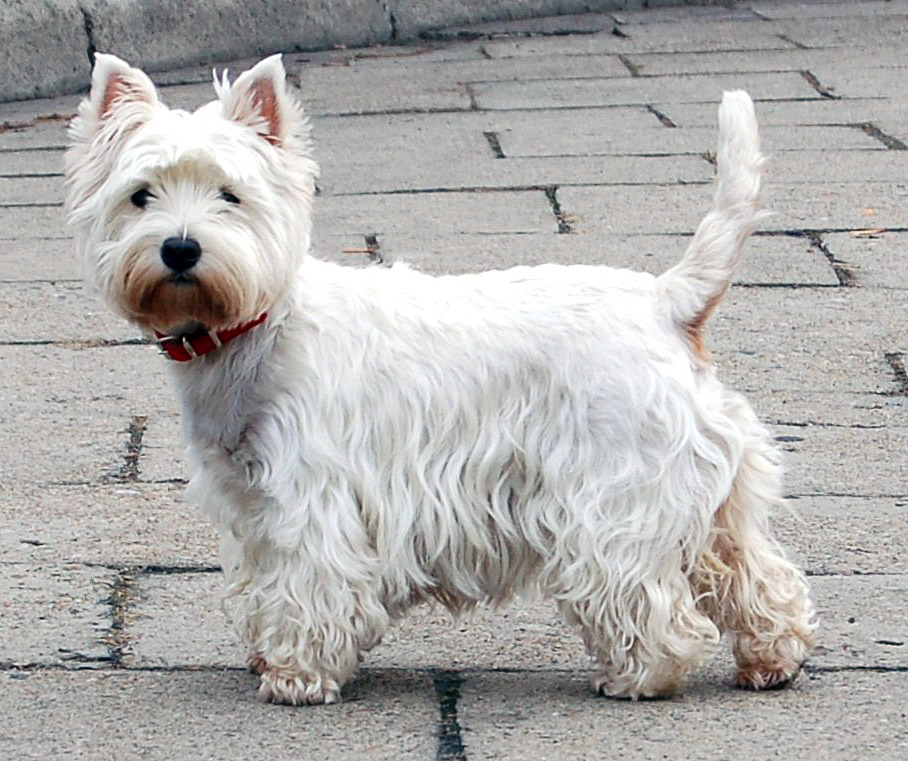
The West Highland White Terrier coat is one of the most distinctive in the terrier group -- a bright white, harsh-textured double coat originally designed to be visible in the dark Scottish terrain (so hunters wouldn't mistake their dog for a fox) and tough enough to protect against underground encounters with rodents.
Understanding this coat helps you care for it properly and make informed grooming decisions.
West Highland White Terrier Coat Structure
The Westie has a classic terrier double coat:
Outer coat:
- Hard, wiry, straight guard hairs
- About 2 inches in length
- Harsh to the touch when properly maintained
- Dirt and water resistant
- Lies relatively close to the body
- Soft, dense, close-fitting
- Provides insulation
- Significantly softer than the outer coat
- Less visible but equally important
Why the Coat Is White (and Why It Matters)
The Westie's white coat has a specific origin story. Colonel Edward Donald Malcolm of Poltalloch, Scotland, is credited with developing the breed after one of his reddish-brown Cairn Terriers was accidentally shot during a hunt -- mistaken for a fox. He began selectively breeding for white dogs to prevent future tragedies.
This matters for coat care because:
- White coats show everything: Dirt, staining, skin irritation, and parasites are all more visible
- White hair lacks melanin: This means less natural UV protection for the skin underneath
- Staining is a constant challenge: Tear stains, food stains, and environmental discoloration require ongoing management
Hand-Stripping: Understanding the Traditional Method
Hand-stripping is the grooming method specifically developed for wiry terrier coats, and understanding it helps you make informed grooming decisions:
How it works: Dead outer coat hairs are grasped between fingers (or with a stripping knife) and pulled from the follicle in the direction of hair growth. This doesn't hurt the dog when done correctly -- dead hairs release easily from the follicle.
Why it matters for coat texture: When a wiry hair is stripped, the new hair that grows from the same follicle maintains the proper harsh texture. When the same hair is cut with clippers, it grows back softer because only the thin tip of the hair has been removed -- the thicker base remains and eventually becomes the visible coat surface.
The texture cycle: Properly hand-stripped Westie coats rotate through stages:
Groomers who hand-strip often keep Westies on a rolling strip schedule, removing dead hairs from different sections at different times so the dog always has a full-looking coat.
Coat Texture Changes from Clipping
If you clip your Westie (and most pet owners do), here's what happens to the coat over time:
- After 1-2 clippings: Minimal change. Coat may feel slightly softer.
- After 3-5 clippings: Noticeable softening. The wiry texture diminishes.
- After extended clipping: Coat becomes predominantly soft, cotton-like. Loses dirt resistance and water repellency.
- Reverting to hand-stripping: Possible but takes 6-12 months of consistent stripping. Some coats never fully recover.
Shedding: The Westie Difference
Westies don't shed in the traditional sense -- they're considered a low-shedding breed. But that's slightly misleading:
- Dead outer coat hairs stay in the follicle until stripped or clipped
- Undercoat does shed, but less than most double-coated breeds
- A properly hand-stripped coat sheds less than a clipped coat
- You won't find Westie tumbleweeds on your floor, but you will find some hair on clothes and furniture
Westie Skin Health: The Breed's Achilles Heel
The West Highland White Terrier coat cannot be discussed without addressing skin health. Westies have the highest rate of atopic dermatitis of any breed, and coat care is intimately connected to skin management.
Common Skin Conditions
Atopic dermatitis: Chronic, allergic skin inflammation affecting up to 25% of Westies. Symptoms include itching, redness, recurring infections, and skin thickening. Requires lifelong management combining veterinary treatment and grooming care.
Westie Armadillo Disease (Epidermal Dysplasia): A breed-specific condition causing thickened, darkened, elephant-like skin. Severe and requiring veterinary management.
Malassezia dermatitis: Yeast overgrowth causing greasy, odorous skin. Common in Westies with compromised skin barriers.
Seborrhea: Excessive skin oil (oily seborrhea) or flaking (dry seborrhea). Both types are more common in Westies than most breeds.
How Grooming Supports Skin Health
- Regular bathing with medicated shampoos: Controls bacterial and yeast populations
- Thorough drying: Prevents moisture-related skin issues
- Consistent brushing: Improves circulation and distributes natural oils
- Professional skin monitoring: Groomers catch changes early
- Product selection: Gentle, hypoallergenic products minimize irritation
Nutrition and the Westie Coat
Diet plays an important role in both coat quality and skin health:
- Omega-3 fatty acids: Fish oil reduces skin inflammation -- especially valuable for a breed prone to dermatitis. Dose: 500-750mg EPA/DHA daily for a typical Westie.
- Limited ingredient diets: May help if food allergies contribute to skin issues
- Zinc: Supports skin barrier function
- Biotin: Strengthens hair structure
- Adequate protein: Named meat sources support proper coat growth
- Avoid common allergens: Chicken, beef, wheat, corn, and soy are common triggers for food-sensitive Westies
Seasonal Coat Care
| Season | Focus | Action | |--------|-------|--------| | Spring | Allergen exposure increases | Watch for allergy flare-ups, increase grooming frequency | | Summer | Sun exposure, heat | Limit prolonged sun (white coat = less UV protection), keep clean | | Fall | Coat thickens for winter | Standard maintenance, monitor skin | | Winter | Dry skin risk | Moisturizing products, humidifier in home |
Daily and Weekly Home Care
- Daily: Wipe face and beard, check for tear staining, inspect skin in any itchy areas
- 3x weekly: Brush with slicker brush, comb through coat with steel comb
- Weekly: Check ears, inspect paw pads, assess overall coat condition
- Monthly: Evaluate grooming schedule -- is the coat staying manageable between appointments?
FAQ
Do West Highland White Terriers shed?
Westies are low-shedding but not non-shedding. Dead outer coat hairs stay in the follicle until removed through grooming. Undercoat sheds minimally. You'll find some hair on clothes but not large amounts on furniture.Why does my Westie's coat feel soft instead of wiry?
Repeated clipper grooming changes the coat texture from wiry to soft. The harsh guard hairs are cut rather than stripped, and the softer undercoat grows to dominate. Transitioning back to hand-stripping can restore some texture over 6-12 months.Are Westies good for people with allergies?
Westies are better than many breeds for allergy sufferers due to lower shedding, but they're not truly hypoallergenic. They still produce dander. Spending time with a Westie before committing is the best way to test your reaction.Why does my Westie scratch so much?
Westies have the highest rate of atopic dermatitis of any breed. If your dog scratches frequently, see your vet for proper diagnosis and treatment. Regular grooming with medicated shampoos supports skin health alongside veterinary care.How do I keep my Westie's white coat from getting stained?
Daily face and beard wiping, professional whitening shampoo treatments, filtered drinking water, and stainless steel food bowls (which harbor less bacteria than plastic). Address tear staining with daily eye area cleaning.---
Ready to streamline your grooming workflow? PawOps Board Manager helps salons track every West Highland White Terrier from check-in to pickup with real-time visibility. Start your free 30-day trial →