Why Your Treeing Walker Coonhound Needs Professional Grooming (Yes, Even Short-Coated Hounds)
Why Your Treeing Walker Coonhound Needs Professional Grooming (Yes, Even Short-Coated Hounds)
Owners of Treeing Walker Coonhounds often assume their dog is the easiest grooming client on the planet. Short coat, smooth texture, no tangles -- what is there to groom? That reasoning makes sense on the surface, but it misses what is actually happening with your hound's skin, coat, and overall hygiene.
Treeing Walkers are athletes. They run, they track, they roll in things you do not want to identify. Their grooming needs are real -- they just look different from what most people picture when they think of professional grooming.
The Treeing Walker Coat Is Simple But Not Maintenance-Free
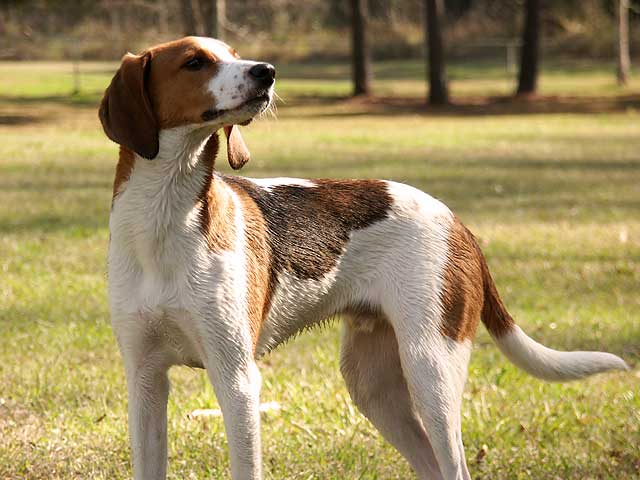
Treeing Walker Coonhounds have a smooth, dense, short coat that lies flat against the body. It was developed for function -- this is a working hound that needed a coat that could push through brush without snagging, dry quickly after water crossings, and provide minimal maintenance distraction from the job of tracking game.
What that coat is NOT is self-cleaning or low-shedding. Treeing Walkers shed year-round, with heavier shedding in spring and fall. The short hairs are stiff and embed themselves into upholstery, clothing, and car interiors in ways that longer, softer fur does not. According to grooming industry surveys, short-coated hound breeds generate more complaints about household shedding than most medium-coated breeds because the individual hairs are harder to remove once embedded.
A professional groomer addresses this shedding with high-velocity dryers and de-shedding tools that remove far more loose undercoat than home brushing can accomplish.
Hound Skin Needs Professional Attention
Here is what separates Treeing Walker grooming from truly maintenance-free breeds: hound skin. Coonhounds as a group tend toward oilier skin than average. That oil serves a purpose -- it provides some water resistance and protects the skin during outdoor work -- but it also means:
- Odor builds faster. The classic "hound smell" is not imagination. It is sebaceous gland output, and it accumulates between baths. A 2023 survey by the National Dog Groomers Association of America found that hound breeds are bathed 40% more frequently than the average dog at professional salons, specifically for odor management.
- Skin folds trap moisture. Treeing Walkers have loose skin, especially around the neck and ears. Those folds can harbor bacteria and yeast if not cleaned and dried properly.
- Ear management is non-negotiable. Those long, pendulous ears are beautiful but they create a warm, enclosed environment over the ear canal. Professional groomers clean ears thoroughly and check for early signs of infection that owners often miss until the smell or head-shaking starts.
What Professional Grooming Covers for a Treeing Walker
A full professional grooming session for a Treeing Walker Coonhound includes:
- High-velocity blow-out -- removes loose coat far more effectively than brushing, pulling dead undercoat hairs before they shed around your house
- De-shedding treatment -- specialized shampoos and conditioners that loosen dead coat during the bath
- Thorough ear cleaning -- inside the ear flap and around the canal opening, removing wax and debris
- Skin fold inspection -- checking neck folds, lip folds, and any wrinkles for redness or irritation
- Nail trimming -- Treeing Walkers are active but their nails still grow faster than they wear down on household surfaces
- Sanitary trim -- keeping the rear clean
- Anal gland expression -- many groomers offer this as part of the bath service
- Odor-neutralizing bath -- enzymatic or deodorizing shampoos that address hound oil rather than just masking it
- Paw pad check -- these dogs run hard, and cracked or rough pads benefit from conditioning
The Outdoor Factor
Treeing Walker Coonhounds spend more time in brush, water, and dirt than the average pet dog. Even if yours is primarily a companion animal, the breed's drive means they are pushing into hedges, rolling in grass, and finding the muddiest spots in the yard.
This outdoor exposure brings specific grooming concerns:
- Tick and flea checks -- a professional groomer examines the entire body during the bath process. Short-coated dogs show parasites more easily, but ticks in the ear folds, between toes, and under the collar are still commonly missed at home.
- Skin irritation from allergens -- pollen, grass, and environmental allergens sit directly on short-coated skin. Regular bathing removes these irritants before they cause hot spots or excessive scratching.
- Minor wounds and abrasions -- active hounds pick up small cuts and scrapes that go unnoticed under a longer coat. A groomer doing a full-body bath and inspection catches these early.
How Often Should a Treeing Walker See a Groomer
The sweet spot for most Treeing Walker Coonhounds is every 4 to 6 weeks for a full bath and service.
| Activity Level | Recommended Frequency | Why | |---------------|----------------------|-----| | High (hunting, hiking, off-leash) | Every 3-4 weeks | More dirt, more odor, more parasite exposure | | Moderate (daily walks, yard time) | Every 4-6 weeks | Standard maintenance schedule | | Lower (primarily indoor) | Every 6-8 weeks | Less environmental exposure but oil still builds |
Between appointments, a weekly wipe-down with a grooming cloth and daily ear checks keep things manageable. But the professional bath, blow-out, and inspection every month or so is what keeps a Treeing Walker smelling acceptable and their skin in good condition.
Why Skip the DIY-Only Approach
You can absolutely bathe your Treeing Walker at home. Many owners do. But here is what you miss without professional equipment:
- High-velocity dryers remove 3 to 5 times more loose coat than towel-drying and brushing. One professional blow-out equals weeks of reduced shedding at home.
- Professional-grade shampoos actually break down hound oil rather than just wetting it and spreading it around.
- The trained eye catches skin changes, lumps, ear issues, and dental problems that owners see every day and therefore stop noticing.
PawOps helps salons accurately price short-coated breeds based on actual service time, condition, and de-shedding needs -- because a Treeing Walker bath-and-blow-out is not the same service as a Chihuahua bath.