Why Your Tibetan Terrier Needs Professional Grooming (This Coat Doesn't Maintain Itself)
Why Your Tibetan Terrier Needs Professional Grooming (This Coat Doesn't Maintain Itself)
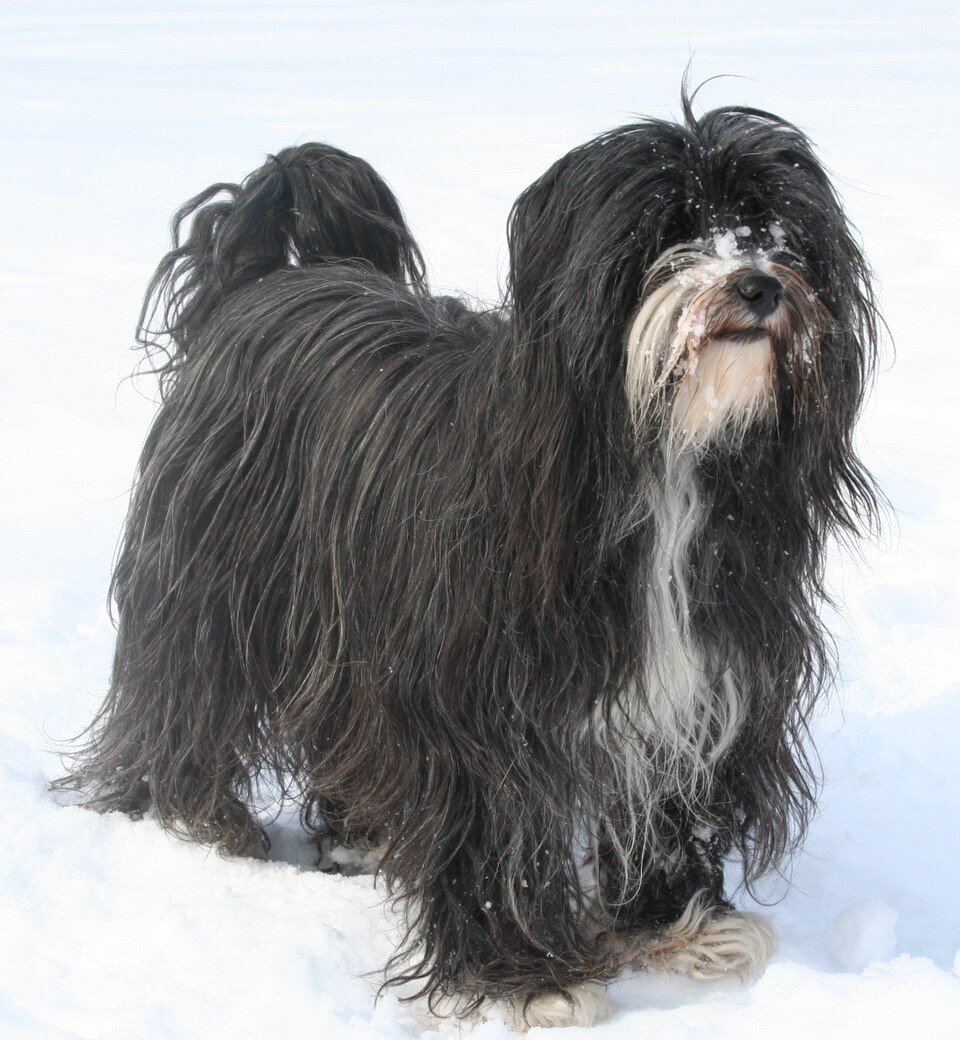
The Tibetan Terrier has a coat that can only be described as ambitious. When fully grown, it can reach the floor -- a flowing curtain of hair that looks more like something you'd see on a shampoo commercial than on a dog.
But that gorgeous coat is also one of the most demanding in the dog world. If you own a Tibetan Terrier, you've probably already figured out that daily brushing is part of the deal. What you may not have figured out yet is why professional grooming is equally non-negotiable.
Here's the full picture of why Tibetan Terrier professional grooming matters so much for this breed.
This Isn't a Typical Dog Coat
The Tibetan Terrier coat is often compared to human hair, and the comparison isn't far off. The outer coat is long, fine, and can be straight, wavy, or slightly curly. It grows continuously rather than reaching a set length and stopping -- which is why it can touch the floor if never trimmed.
Beneath that outer coat sits a soft, woolly undercoat that provides insulation. The two layers together create a coat system that protected the breed in the harsh Tibetan plateau, where temperatures swing from extreme cold to intense sun.
Here's a surprising fact about the Tibetan Terrier: despite the name, it's not actually a terrier. The breed was given the "terrier" label by European travelers who thought the dog resembled terrier breeds, but the Tibetan Terrier is actually more closely related to breeds like the Lhasa Apso and Shih Tzu. The coat reflects this -- it's a Tibetan-style coat, not a terrier coat, which is why grooming requirements are so different from actual terrier breeds.
This coat type creates unique grooming challenges that home brushing alone simply can't fully address.
Tibetan Terrier Professional Grooming Tackles the Matting Problem
Matting Is the Number One Coat Concern
The Tibetan Terrier coat mats. It mats aggressively, persistently, and in places you can't easily see. The fine, long outer coat tangles with the woolly undercoat, creating knots that tighten over time until they become dense, felted masses pressed against the skin.
Common mat locations on a Tibetan Terrier:
- Behind and beneath the ears
- In the armpits (front leg/body junction)
- Around the collar line and neck
- Between the toes and under the paw pads
- On the belly, especially where the dog lies down
- On the chest where the legs move against the body
- Around the rear and under the tail
The Coat Change Danger Zone
Between approximately 10 and 18 months of age, the Tibetan Terrier transitions from puppy coat to adult coat. During this period, the soft puppy fur sheds out while the longer, denser adult coat grows in. The two textures tangle with each other relentlessly.
Coat change is the single most critical grooming period in a Tibetan Terrier's life. Without daily brushing and regular professional grooming during this transition, the coat can mat so severely that shaving becomes the only option -- which means starting over entirely.
Grooming experts report that coat change in Tibetan Terriers can last anywhere from a few weeks to several months. During peak coat change, some owners brush their TT multiple times daily and still find mats forming overnight.
Professional grooming every 4-6 weeks during coat change is practically a survival strategy for the coat.
Beyond Matting: The Full Professional Grooming Benefit
Bathing Requires Strategy
Here's something experienced Tibetan Terrier owners know that new owners don't: you must brush out a TT before bathing, never after.
Water causes existing tangles to tighten. A mat that could have been worked out with a comb before a bath becomes a felted lump of fiber after the coat gets wet. Washing a matted Tibetan Terrier effectively turns the coat into felt.
Professional groomers follow the correct sequence:
This sequence is critical, and it takes skill, patience, and the right tools to execute properly.
Drying Is a Skill, Not Just a Step
Drying a Tibetan Terrier coat incorrectly causes more problems than it solves. Air drying allows the coat to curl and tangle as it dries, creating the conditions for immediate mat formation. The dog ends up tangled before they even leave the grooming table.
Professional groomers use a combination of high-velocity dryers and brush-drying techniques -- drying the coat straight while simultaneously brushing through it section by section. This produces a coat that's smooth, tangle-free, and significantly easier to maintain between visits.
Trimming and Styling Options
Tibetan Terrier owners face a choice: maintain the full-length coat or keep the dog in a shorter "puppy clip" that's easier to manage.
Full coat maintenance requires serious commitment -- daily brushing, monthly professional grooming, and constant vigilance against mats. It's beautiful but labor-intensive.
The puppy clip (typically 1-3 inches all over) dramatically reduces daily maintenance while preserving the breed's general appearance. Many pet owners opt for this route, and there's absolutely no shame in it. A well-groomed TT in a puppy clip looks tidy and happy.
A professional groomer can help you find the right length that balances appearance with the maintenance level you're honestly willing to commit to.
Paw Care Is Breed-Specific
Tibetan Terriers have large, flat, round feet -- sometimes described as "snowshoe feet" -- that were designed for traction on snow and rocky Tibetan terrain. The fur between the paw pads grows long and thick, and if not trimmed regularly, it collects debris, packs with ice in winter, and causes the dog to slip on smooth floors.
Professional groomers trim between the paw pads and shape the feet, maintaining both function and comfort.
Eye Area Maintenance
The long coat can fall into the eyes if not managed. Some owners use topknots or clips to keep hair out of the eyes between grooming visits. Professional groomers trim around the eyes carefully, maintaining visibility without dramatically altering the breed's characteristic look.
What a Professional Tibetan Terrier Groom Includes
A thorough session covers:
Expect 2 to 3 hours for a full-coat TT, or 1.5 to 2 hours for a dog in a puppy clip.
How Often Should a Tibetan Terrier See a Groomer?
- Full coat: Every 4-6 weeks (some owners go every 3-4 weeks)
- Puppy clip: Every 6-8 weeks
- During coat change (10-18 months): Every 4 weeks minimum
- Daily brushing with a pin brush and metal comb -- this is non-negotiable
- Use grooming spray or detangler to reduce friction during brushing
- Check ears, eyes, paw pads, and sanitary area twice weekly
- Address any new tangles immediately -- waiting makes them worse
Finding the Right Groomer for a Tibetan Terrier
Not every groomer has experience with this coat type. When choosing:
- Ask about long-coated breed experience. Groomers comfortable with Shih Tzus, Lhasa Apsos, and Afghan Hounds will understand the TT's coat challenges.
- Discuss their bathing sequence. If they bathe before brushing, that's a red flag for this breed.
- Ask about drying technique. Brush-drying is essential. Air drying or kennel drying will cause immediate tangling.
- Discuss coat length options honestly. A good groomer won't judge you for choosing a puppy clip. They'll help you find the right length for your lifestyle.
- Look for breed-aware pricing. Use our free pricing calculator → The Tibetan Terrier requires more time than most medium-sized breeds, and pricing should reflect the actual work involved. Salons using tools like PawOps price based on breed-specific grooming requirements rather than generic size-based rates.
The Honest Truth About This Coat
The Tibetan Terrier coat is magnificent -- and demanding. There's no way to maintain it without consistent effort, and professional grooming is a critical part of that equation.
Your groomer handles the deep work that keeps the coat healthy, catches skin issues hidden beneath all that hair, and manages the precision tasks like paw trimming and sanitary care. Your job is the daily maintenance between visits.
Together, that partnership keeps a Tibetan Terrier coat looking and functioning the way it should. And honestly, when a well-groomed TT walks into a room, the coat speaks for itself.