Understanding Your Tibetan Terrier's Coat: What Every Owner Should Know
Understanding Your Tibetan Terrier's Coat: What Every Owner Should Know
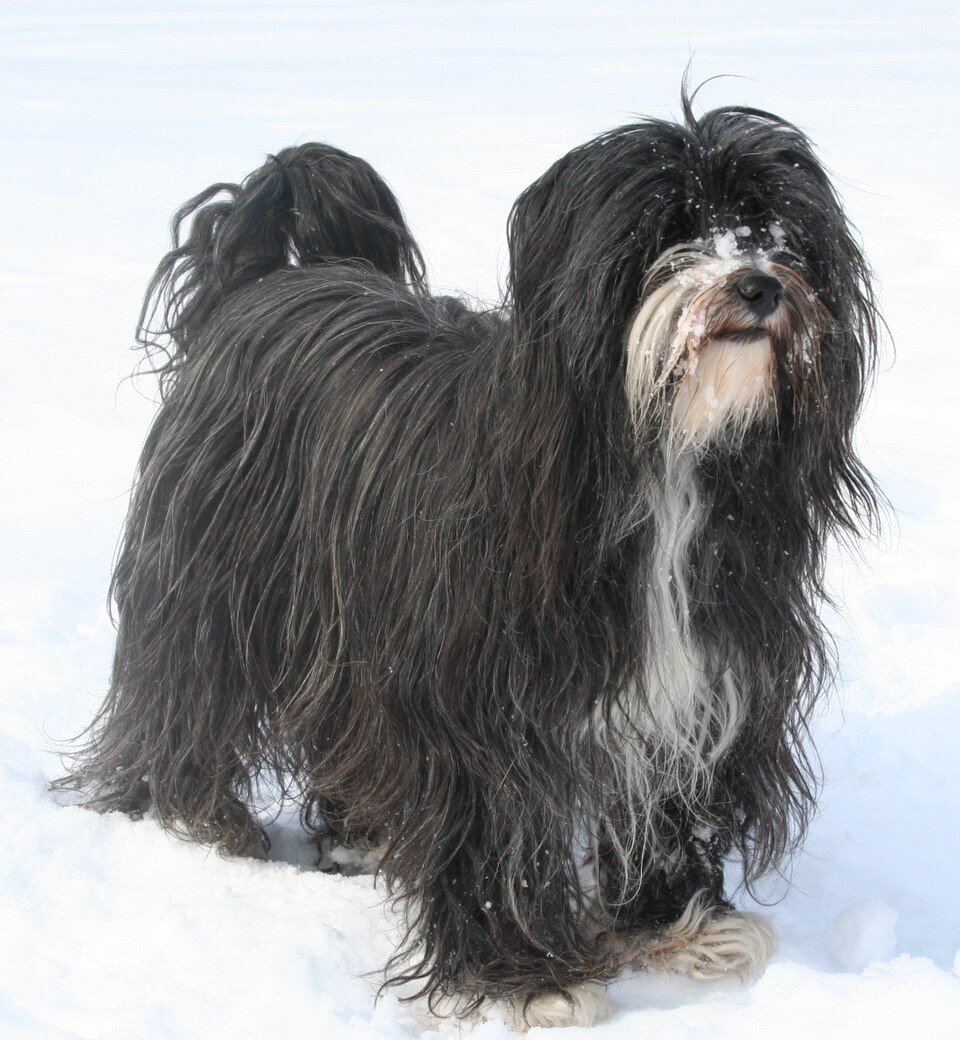
The Tibetan Terrier coat is unlike almost anything else in the dog world. Long enough to touch the floor, fine enough to resemble human hair, and dense enough to survive Tibetan winters -- it's a coat that inspires both admiration and, for the unprepared owner, mild panic.
Understanding how the Tibetan Terrier coat works is the difference between grooming as a daily battle and grooming as a manageable routine. Let's get into what makes this coat tick.
The Tibetan Terrier Coat Structure: Two Very Different Layers
The Tibetan Terrier wears a double coat, but it's not the same type of double coat you'll find on a Husky or a Golden Retriever. Both layers are longer, finer, and more hair-like than the typical dog double coat.
The Outer Coat
The outer layer is long, abundant, and can be straight, wavy, or anything in between. Individual hairs are fine in texture -- much finer than the coarse guard hairs found on most double-coated breeds. This gives the coat its flowing, silky appearance but also makes it more prone to tangling.
Unlike many breeds where the outer coat reaches a genetically determined length and stops, the Tibetan Terrier's outer coat grows continuously. Left uncut, it will reach the floor and continue growing beyond. This continuous growth means the coat needs regular trimming to maintain a practical length -- it won't self-regulate.
The outer coat's texture varies significantly between individual dogs. Some Tibetan Terriers have straighter, smoother coats that are slightly easier to maintain. Others have wavier, more textured coats that tangle more readily. Knowing your dog's specific coat texture helps you calibrate your grooming approach.
The Undercoat
Beneath the outer coat sits a soft, woolly undercoat. This is the insulation layer -- it protected the breed during extreme temperature swings on the Tibetan plateau, where conditions can shift from severe cold to intense mountain sun within the same day.
The undercoat is shorter than the outer coat but grows densely. It sheds, though not in the dramatic coat-blow fashion of Spitz breeds. Instead, the dead undercoat works its way into the outer coat, tangling with the long hairs and forming mats if not removed through regular brushing.
A surprising fact about the Tibetan Terrier coat: the breed was historically considered sacred in Tibet and was never sold -- only given as gifts. The coat was sometimes spun into cloth by Tibetan families, much like wool, because the fine undercoat texture is remarkably similar to natural wool fiber. This gives you a sense of why the undercoat mats so readily -- you're essentially managing a coat that has the structural properties of a knittable fiber.
The Tibetan Terrier Coat Texture Spectrum
Not all Tibetan Terrier coats are created equal, and understanding where your dog falls on the texture spectrum helps enormously with grooming expectations.
Straighter, Silkier Coats
Some TTs have relatively straight outer coats with a smoother texture. These coats:
- Tangle less readily than wavy coats
- Part naturally down the spine
- Are easier to brush through
- Still require daily maintenance, but sessions are shorter
- May appear thinner or less voluminous
Wavier, Thicker Coats
Other TTs have wavy to slightly curly outer coats with more volume. These coats:
- Tangle and mat more aggressively
- Don't part as naturally
- Require more thorough, more frequent brushing
- Look more dramatic and voluminous when well-maintained
- Are significantly more work to maintain in full length
The Tibetan Terrier Coat Change: The Trial by Fire
Every Tibetan Terrier owner needs to know about coat change before it happens, because it's the single most challenging grooming period you'll face with this breed.
What Happens
Between approximately 10 and 18 months of age, the soft puppy coat is gradually replaced by the coarser, denser adult coat. The puppy hairs shed out while adult hairs grow in. These two different textures exist simultaneously in the coat, tangling with each other in ways that seem almost malicious.
Why It's So Difficult
During coat change:
- Mats form overnight, even with daily brushing
- The coat feels different every week as the texture transitions
- Puppies who were easy to groom suddenly become challenging
- The overall appearance can be scraggly and uneven
- Owners question whether they made the right breed choice (this is normal)
How to Survive It
Duration
Coat change can last anywhere from a few weeks (you got lucky) to six months or more (you didn't). The average is 2-4 months of intensified grooming effort. It's a finite challenge, even when it doesn't feel like it.
The Tibetan Terrier Coat Through Life Stages
Puppy Coat (Birth to 10 Months)
Tibetan Terrier puppies have a soft, relatively short coat that's deceptively easy to manage. It doesn't mat much, doesn't require extensive brushing, and looks adorable.
This is the time to build grooming habits -- both yours and the dog's. Get your puppy accustomed to daily brushing, being handled all over, having paws touched, and ears inspected. These habits are investments that pay off for the next 15-16 years.
Coat Change (10-18 Months)
Covered above. The crucible. Prepare for it.
Young Adult Coat (18 Months to 3 Years)
Once coat change completes, the adult coat establishes itself. It reaches its full potential in terms of length, density, and texture by about age 2-3. This is when you'll see the true adult coat and can make informed decisions about maintenance length.
The adult coat is actually more predictable than the transitional coat. Once you learn your dog's specific texture and mat-prone areas, daily maintenance becomes routine rather than reactive.
Mature and Senior Coat (7+ Years)
Older Tibetan Terriers often develop softer, thinner coats. The undercoat may become less dense, and the outer coat may lose some of its body. This generally makes grooming easier, though the coat still needs daily attention to prevent matting.
Some senior TTs develop dry, brittle coats that benefit from conditioning treatments. If your older dog's coat quality declines noticeably, discuss dietary supplements (particularly omega-3 fatty acids) with your vet.
Common Tibetan Terrier Coat Problems
Matting (The Persistent Challenge)
Matting is the universal Tibetan Terrier coat issue. The fine, long coat tangles at the slightest provocation -- friction from collars, harnesses, lying down, being petted, wind, rain, or just existing.
Prevention protocol:
- Daily brushing with a pin brush, followed by a metal comb to check for tangles the brush missed
- Detangling spray applied before every brushing session
- Extra attention to high-friction areas: behind ears, armpits, collar line, belly, pants
- Remove the collar periodically to brush the neck area
- Address any developing tangles immediately -- they only get worse
Coat Breakage
The fine outer coat can break if brushed roughly or without detangling spray. Broken hairs create an uneven, thin appearance and don't provide the same coverage as intact hairs.
Always brush gently, use spray for lubrication, and work from the tips inward rather than dragging a brush from root to tip.
Static Electricity
In dry conditions or heated winter homes, the fine coat develops static that makes brushing uncomfortable for the dog and causes the coat to fly in all directions. A light mist of grooming spray before brushing eliminates static and makes the session more comfortable for both of you.
Debris Collection
The long coat collects leaves, twigs, burrs, and seeds during walks. The large, flat "snowshoe" feet carry mud and debris into the paw pad fur. After outdoor time, a quick check and debris removal prevents material from working deeper into the coat and causing tangles.
Styling Options for the Tibetan Terrier Coat
Full Show Coat
The longest, most dramatic option. The coat is maintained at floor length or near it, parted down the spine, and flows freely. This is the breed standard look for conformation showing.
Maintenance level: extreme. Daily brushing of 20-30 minutes minimum. Professional grooming every 3-4 weeks. This is a lifestyle commitment.
Long Pet Trim
The coat is kept long but trimmed to a few inches off the floor -- long enough to flow and look dramatic, short enough to avoid dragging through every puddle.
Maintenance level: high. Daily brushing of 15-20 minutes. Professional grooming every 4-6 weeks.
Puppy Clip
The coat is clipped to 1-3 inches all over, maintaining the breed's general shape but eliminating the floor-length maintenance burden.
Maintenance level: moderate. Brushing every other day, 10-15 minutes. Professional grooming every 6-8 weeks.
Short Utility Clip
The coat is clipped short -- half an inch to one inch -- for maximum ease of care. This is common for active dogs, dogs in humid climates, or owners who've made peace with practicality over aesthetics.
Maintenance level: minimal. Weekly brushing. Professional grooming every 8-10 weeks.
Nutrition and the Tibetan Terrier Coat
The long coat requires nutritional support to grow well and maintain its texture:
- Omega-3 and omega-6 fatty acids promote coat shine, flexibility, and skin health
- Quality protein is essential -- hair is primarily keratin, and insufficient dietary protein shows up as thin, brittle coat
- Biotin supports healthy hair growth
- Adequate hydration affects coat moisture and pliability
Working With a Groomer Who Knows This Coat
Your groomer should:
- Understand the brush-before-bath rule and never bathe a matted TT
- Use brush-drying technique rather than cage or air drying
- Be comfortable with various trim lengths and help you choose what works
- Have experience with fine, long-coated breeds
- Check the skin beneath the coat at every visit
- Price based on actual coat work required -- salons using breed-specific tools like PawOps provide transparent, fair pricing that reflects the Tibetan Terrier's unique grooming demands rather than generic size-based rates
The Coat Is the Breed
The Tibetan Terrier's coat is inseparable from its identity. Use our free pricing calculator → That flowing, abundant hair is what makes the breed instantly recognizable and deeply appealing. It's also what makes ownership a genuine grooming commitment.
But here's the thing: once you understand the coat -- its structure, its shedding pattern, its texture, its trouble spots -- the maintenance transforms from an overwhelming chore into a predictable routine. You know where the mats will form. You know when to brush harder and when to use lighter strokes. You know what the coat needs before it tells you.
That understanding is the difference between struggling with the coat and partnering with it. And a well-understood, well-maintained Tibetan Terrier coat is one of the most beautiful things in the canine world.