Why Your Swedish Vallhund Needs Professional Grooming (Small Dog, Big Coat)
Why Your Swedish Vallhund Needs Professional Grooming (Small Dog, Big Coat)
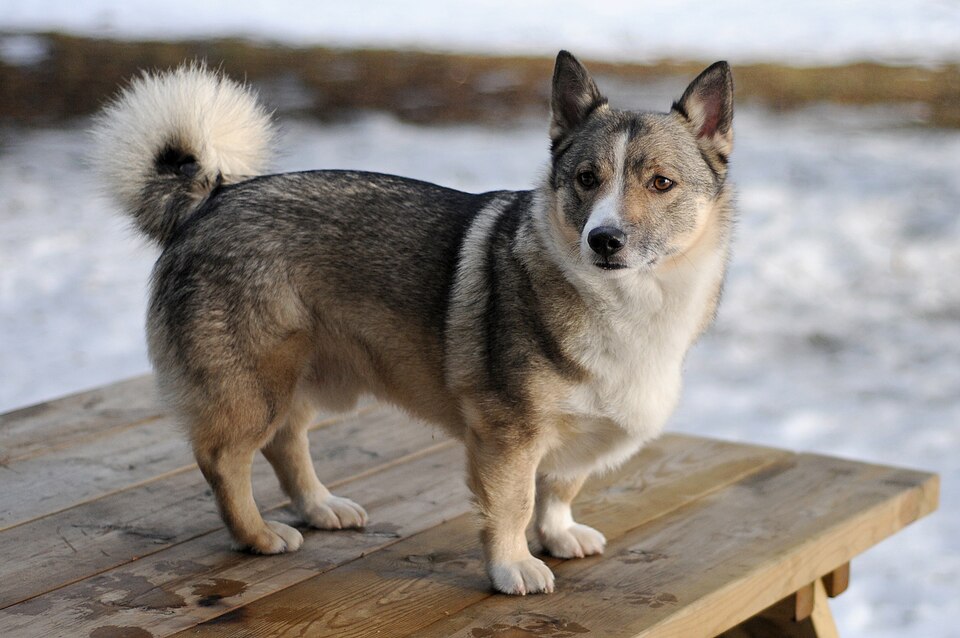
The Swedish Vallhund looks like a wolf decided to become a Corgi. These compact, sturdy herding dogs stand just 11.5 to 13.5 inches at the shoulder but carry a coat that would be respectable on a dog twice their size. Bred to herd cattle across Scandinavian farms for over a thousand years, Vallhunds developed a dense, weather-resistant double coat that served them well in the field.
On your couch, that coat serves a different purpose: testing your vacuum cleaner's limits.
Here is why professional grooming is not optional for this breed.
The Vallhund Coat Punches Above Its Weight
Swedish Vallhunds carry a medium-length double coat with a harsh outer layer and a soft, dense undercoat. The outer coat is tight and close-lying across the body, with slightly longer fur on the neck, chest, and backs of the legs. The undercoat is thick enough that you can lose a finger in it when you part the fur.
For a dog that weighs 20 to 35 pounds, the amount of coat per square inch is remarkable. The Swedish Vallhund Club of America describes the coat as "hard" in texture -- resistant to dirt and weather, which sounds low-maintenance until you realize that same hardness means dead undercoat does not fall away on its own. It packs.
According to breed surveys, the Vallhund's coat density relative to body size is comparable to much larger Nordic breeds. That means grooming needs that owners of small dogs simply do not expect.
What Professional Grooming Does for a Vallhund
Undercoat Management
The number one reason Vallhunds need professional grooming is undercoat removal. These dogs shed their undercoat continuously with two major blowouts per year. A high-velocity dryer in a professional grooming salon removes packed undercoat in ways that home brushing cannot match. The first time you see the cloud of undercoat blown out of a Vallhund, you will understand why your lint roller was losing the battle.
Proper Coat Conditioning
The Vallhund's harsh outer coat can become dry and brittle without proper care. Professional groomers use conditioning treatments that maintain the coat's natural weather resistance while keeping it supple. This is not about making the dog soft and fluffy -- it is about maintaining the coat's intended function.
Skin Monitoring
Vallhunds can be prone to skin issues that hide under their dense coat. Professional groomers part the coat systematically and check the skin during every session. Hot spots, fungal growth, and parasites are identified early -- often before the owner has noticed anything.
Targeted Trimming
Vallhunds are not a heavily trimmed breed, but they benefit from neatening around the feet, hocks, and sanitary areas. The fur between paw pads grows long enough to cause slipping on hard floors. A professional trim keeps these areas functional.
Nail Care on a Low-Rider
Vallhunds stand low to the ground. At 11.5 to 13.5 inches tall, their nails make contact with the ground differently than taller dogs. Overgrown nails can affect their already unique gait. Professional trimming ensures nails are kept at the right length for proper movement.
What Happens When Grooming Gets Neglected
Vallhund owners who underestimate grooming needs encounter predictable problems:
- Coat compaction. Dead undercoat mats against the skin under the guard coat, creating a felt layer that traps heat and moisture. This is invisible from the outside.
- Chronic shedding. Without regular undercoat removal, dead fur releases constantly and uncontrollably. Owners describe fur tumbleweeds rolling across hardwood floors daily.
- Skin irritation. Packed undercoat against the skin creates the perfect environment for bacterial growth, especially in warmer climates. Vallhunds are surprisingly prone to hot spots when coat care lapses.
- Odor. Oils and bacteria trapped in compacted undercoat produce a persistent smell that does not wash out with a simple bath.
- Paw problems. Overgrown fur between pads collects debris and causes slipping. On a breed built this low, paw health directly affects mobility.
Grooming Schedule for a Swedish Vallhund
| Season | Frequency | Focus | |--------|-----------|-------| | Spring (blowout) | Every 4-5 weeks | Heavy deshedding, undercoat extraction | | Summer | Every 6-8 weeks | Maintenance, skin checks, paw trim | | Fall (blowout) | Every 4-5 weeks | Deshedding, winter coat preparation | | Winter | Every 6-8 weeks | Standard maintenance |
Between visits, brush two to three times per week with an undercoat rake and slicker brush. During blowout season, daily brushing keeps shedding manageable.
The Vallhund Should Never Be Shaved
Like all double-coated breeds, Vallhunds should never be shaved. The double coat insulates against both cold and heat. Shaving removes this insulation and can cause the coat to grow back improperly -- sometimes permanently altering the texture.
The proper approach to warm-weather comfort is regular professional deshedding, not removing the coat.
Finding a Groomer Who Knows This Breed
Swedish Vallhunds are uncommon. The AKC ranks them well outside the top 100 breeds, with only a few hundred puppies registered annually in the United States. Most groomers have never worked with one.
Look for a groomer who:
- Has experience with double-coated herding breeds (Corgis, Shelties, Icelandic Sheepdogs)
- Uses high-velocity drying for deshedding
- Will not suggest shaving or excessive trimming
- Understands that the Vallhund coat should look natural and functional
The Investment Makes Sense
Professional grooming for a Swedish Vallhund runs $55 to $80 per session. These are small dogs, so grooming costs less than large double-coated breeds. Use our free pricing calculator → But skipping grooming leads to the same expensive problems: vet visits for skin infections ($150 to $300), hot spot treatments ($100 to $250), and the general misery of a dog whose coat is working against them instead of for them.
For a breed this uncommon, finding a vet who understands breed-specific skin issues adds another layer of cost. Prevention through grooming is the smarter path.
PawOps helps grooming salons assess compact double-coated breeds using condition scoring and coat density analysis -- so your Swedish Vallhund gets the thorough coat care their small frame and big coat demand.
Related Reading: