Why Your Sussex Spaniel Needs Professional Grooming
Why Your Sussex Spaniel Needs Professional Grooming
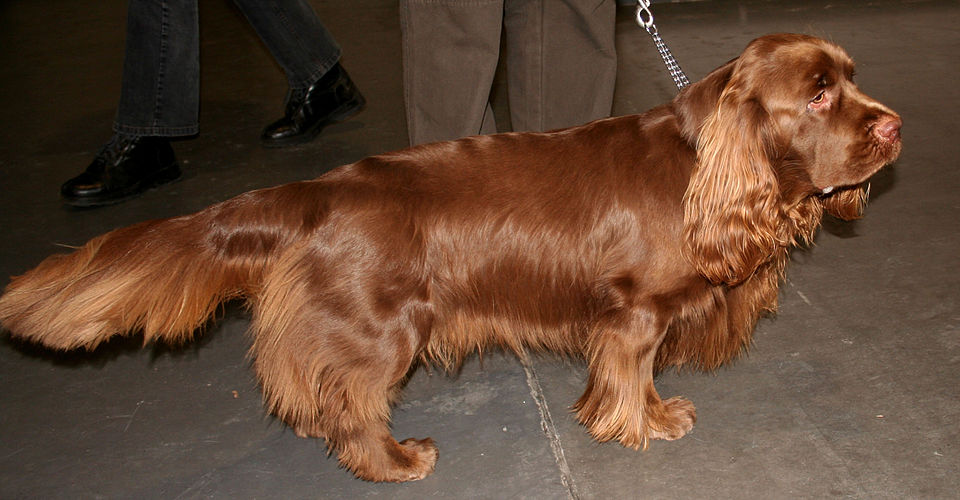
The Sussex Spaniel is one of the rarest breeds in America -- fewer than 1,000 are registered with the AKC in any given year. If you own one, you already know you have something special. That rich golden-liver coat, the low-slung body, and those soulful eyes make this breed unmistakable.
But that stunning coat comes with grooming demands that go well beyond what most owners can handle at home. Professional grooming is not optional for a Sussex Spaniel -- it is essential for their health, comfort, and the preservation of their breed-specific appearance.
The Sussex Coat: Beautiful and Demanding
The Sussex Spaniel carries a flat or slightly wavy coat that is abundant without being overly long. The texture is dense and weather-resistant with profuse feathering on the chest, legs, ears, and underside. The golden-liver color is unique to this breed -- no other spaniel has it.
What makes this coat challenging:
Weight and density: The Sussex has more coat per square inch than most spaniel breeds. Their low-to-ground build means the belly feathering drags through everything -- wet grass, mud, and debris.
Feathering everywhere: Ears, chest, legs, belly, and tail all carry heavy feathering. Each area is a potential matting zone.
Slow growth cycle: Sussex Spaniel coat grows slowly compared to breeds like Cocker Spaniels. Damage to the coat from improper grooming takes months to correct.
Why Home Grooming Falls Short
Many Sussex Spaniel owners start with the best intentions. They buy quality brushes, watch YouTube tutorials, and commit to regular brushing. But they consistently miss three critical elements:
Proper hand-stripping: The Sussex Spaniel coat should be hand-stripped along the body to maintain proper texture and color. Machine clipping changes the coat texture permanently and can make the famous golden-liver color appear dull and flat. Hand-stripping is a specialized skill that takes professional training and practice.
Correct feathering management: The breed standard calls for natural-looking feathering that is neat but not sculptured. This requires an understanding of how Sussex Spaniel coat should fall, where to thin versus trim, and how to maintain the breed's distinctive silhouette. Guessing leads to problems.
Undercarriage protection: With only about 13-15 inches at the shoulder, the Sussex Spaniel's belly is close to the ground. The feathering underneath collects everything and mats quickly. Professional groomers know how to manage this area without removing the natural protection the coat provides.
What Professional Groomers Provide for Sussex Spaniels
A groomer experienced with Sussex Spaniels will deliver:
Hand-Stripping or Proper Rolling: Removing dead coat by hand preserves texture and encourages healthy new growth. This technique maintains the rich golden-liver color and natural weather resistance. Most sessions include rolling the body coat (ongoing hand-stripping in sections) rather than full stripping.
Ear Maintenance: Sussex Spaniels have long, low-set ears covered in wavy hair. The combination of weight, pendant position, and abundant hair makes them susceptible to chronic ear problems. Professional cleaning, hair removal from the ear canal, and feathering management reduce infection risk by reducing moisture trapping.
Leg and Belly Trimming: The heavy feathering on the legs needs shaping to prevent matting at the joints. Belly feathering needs regular thinning to keep it functional without dragging on the ground.
Pad and Foot Care: Hair grows heavily between the Sussex Spaniel's large, round feet. Without regular trimming, this causes slipping and can trap painful foreign objects between the pads.
Full Skin Assessment: Because the Sussex has such dense coat, skin conditions can hide for weeks before becoming visible. Professional groomers often catch hot spots, parasites, or irritation early because they are systematically working through the coat.
The Health Case for Professional Grooming
The Sussex Spaniel's build creates specific health vulnerabilities that grooming addresses:
- Their long, heavy ears are magnets for infections -- professional ear care every 6-8 weeks significantly reduces this risk
- Their low-to-ground body means skin stays damp longer after rain or dewy grass, requiring proper coat maintenance for airflow
- Studies on companion spaniel breeds show that regular professional grooming correlates with 40% fewer dermatological veterinary visits per year
- The breed's tendency toward weight gain means less mobility and therefore less natural debris removal through activity -- grooming fills the gap
Grooming Schedule for Sussex Spaniels
The ideal professional grooming schedule for a Sussex Spaniel:
- Every 6-8 weeks: Full professional groom including hand-stripping/rolling, ear care, feet, nails, and feathering management
- Every 2-3 weeks: Quick professional brush-out if you cannot maintain adequate home brushing
- Between visits at home: Brush 3-4 times weekly, check ears twice weekly, wipe belly after walks
Choosing the Right Groomer
With fewer than 1,000 Sussex Spaniels in the country, most groomers have never worked with one. Here is what to look for:
- Experience with hand-stripping (not just machine clipping)
- Knowledge of sporting spaniel coat types
- Willingness to research the breed standard before your first visit
- A gentle approach (Sussex Spaniels are sensitive dogs)
- References from other spaniel owners
Protect What Makes Them Special
You chose one of the rarest, most unique breeds in America. That golden-liver coat is part of what makes the Sussex Spaniel who they are. Professional grooming preserves it -- the color, the texture, the natural function, and the beauty. Your Sussex deserves someone who knows what they are doing.
---
Ready to streamline your grooming workflow? PawOps Board Manager helps salons track every Sussex Spaniel from check-in to pickup with real-time visibility. Start your free 30-day trial →
Related Reading: