Why Your Smooth Fox Terrier Needs Professional Grooming
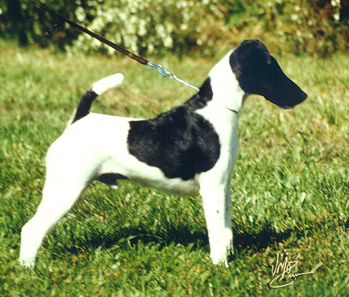
The Smooth Fox Terrier's name is misleading. "Smooth" suggests easy -- minimal maintenance, low-effort coat care. But anyone who's owned an SFT knows the reality: these dogs shed prolifically, their dense coat hides skin issues, and maintaining that crisp, clean appearance requires more expertise than a simple brush-out.
Professional grooming for a Smooth Fox Terrier isn't about luxury -- it's about managing a deceptively complex coat type.
Dense, Not Simple
The Smooth Fox Terrier carries a flat, hard, dense coat that lies close to the body. Unlike single-coated smooth breeds, SFTs have a noticeable undercoat -- making them true double-coated dogs that just happen to have short hair.
This double coat means:
- Year-round shedding (not seasonal -- constant)
- Undercoat can mat against the skin if neglected
- Temperature regulation depends on proper coat maintenance
- Dead undercoat creates odor if not regularly removed
The Shedding Situation
Smooth Fox Terriers are legendary shedders. Those short, stiff white and colored hairs work their way into everything -- upholstery, clothing, car seats. And because the hairs are short and rigid, they're harder to remove than longer, softer hair.
Grooming industry surveys show that Smooth Fox Terriers rank in the top 15 breeds for shedding volume relative to body size. A 15-18 pound dog producing this much loose hair needs professional deshedding intervention.
Professional deshedding treatments for SFTs include:
- High-velocity blow-outs that remove loose undercoat before it sheds naturally
- Rubber curry massage that lifts dead hair from the follicle
- Deshedding shampoo and conditioner that loosens dead coat
- Undercoat raking to remove the dense bottom layer
Skin Health Beneath the Coat
Smooth Fox Terriers are prone to several dermatological conditions:
Atopic dermatitis: Environmental allergies that manifest as itchy, red, inflamed skin. Common in the breed.
Hot spots: Moisture trapped by the dense undercoat creates bacterial growth conditions, especially in warm weather.
Contact allergies: The breed can react to lawn chemicals, cleaning products, and certain fabrics.
Skin tumors: SFTs have higher-than-average rates of certain skin tumors. A 2023 study in Veterinary Pathology noted Smooth Fox Terriers among breeds with elevated mast cell tumor rates.
Professional groomers perform full-body skin assessments during every session. With the coat properly lifted and inspected, they catch issues owners miss during casual petting.
What Professional Grooming Provides
A thorough SFT grooming session includes:
Deep deshedding: Not just surface brushing -- true undercoat removal that prevents matting and overheating. Professional tools reach the dense underlayer that home brushes can't fully address.
Proper bathing: pH-balanced, coat-appropriate products applied and rinsed correctly. SFTs need firm, texturizing shampoos -- softening products make the coat limp and more prone to collecting dirt.
High-velocity drying: Blows out remaining loose coat, fluffs the dense hair for thorough inspection, and ensures no moisture remains trapped in the undercoat (preventing hot spots).
Skin inspection: Every inch checked systematically. With their predominantly white coat, skin changes are often visible once the coat is parted -- but only if someone looks.
Nail maintenance: SFTs are active dogs whose nails wear unevenly. Professional trimming ensures proper alignment and prevents the gait issues that uneven nails cause.
Ear care: Their V-shaped, forward-folding ears trap debris and moisture. Professional cleaning prevents the infections common in drop-eared terrier breeds.
The Activity Factor
Smooth Fox Terriers are among the most active terrier breeds -- energetic, athletic, and perpetually in motion. This activity level affects their grooming needs:
- More outdoor exposure means more environmental irritants on skin
- Higher activity leads to faster nail growth and uneven wear patterns
- Increased sweating through paw pads means feet need more attention
- Active dogs collect more debris in ears and between toes
- Exercise-induced skin temperature changes can trigger hot spots in summer
Coat Texture and Standards
The correct SFT coat should feel hard and flat -- never soft, wooly, or curly. If your dog's coat is changing texture, it could indicate:
- Thyroid issues (coat becomes woolly or thin)
- Nutritional deficiency (coat softens or becomes brittle)
- Incorrect grooming products (softeners change texture)
- Age-related changes (senior dogs may develop softer coats)
Why Home Grooming Falls Short
Owners often handle SFT grooming at home because the short coat seems manageable. Common mistakes:
Using the wrong tools: Pin brushes and soft bristle brushes barely penetrate an SFT's dense coat. Professional-grade rubber curries, deshedding tools, and high-velocity dryers are needed.
Insufficient drying: After home baths, moisture trapped in the dense undercoat can cause skin problems. Without a high-velocity dryer, true complete drying is nearly impossible.
Missing the undercoat: Home brushing addresses surface hair but rarely removes the dense underlayer effectively.
Inconsistent timing: Professional scheduling ensures the coat never reaches a problematic state.
The Right Schedule
Smooth Fox Terriers benefit from professional grooming every 4-6 weeks. During heavy shedding periods (which honestly is most of the time), a 4-week schedule keeps things manageable.
Between visits:
- Brush 3-4 times weekly with a rubber curry and bristle brush
- Check ears weekly
- Monitor skin for redness or hot spots, especially in warm weather
- Wipe paws after walks through treated areas
---
Ready to streamline your grooming workflow? PawOps Board Manager helps salons track every Smooth Fox Terrier from check-in to pickup with real-time visibility. Start your free 30-day trial →