Understanding Your Siberian Husky's Coat: What Every Owner Should Know
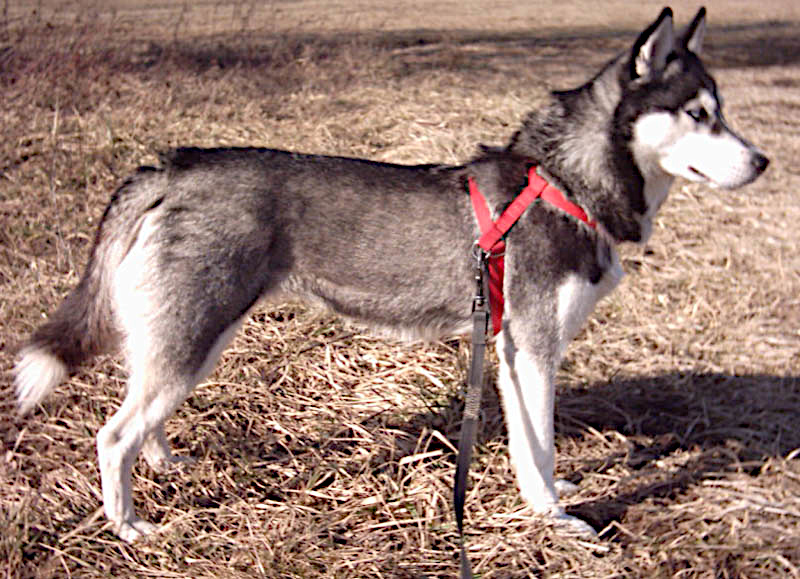
Understanding Your Siberian Husky's Coat: What Every Owner Should Know
The Siberian Husky coat is one of nature's most impressive pieces of engineering. Designed to keep a working dog alive in temperatures that would freeze most mammals solid, it is a marvel of insulation, waterproofing, and temperature regulation.
Understanding how this coat actually works changes how you care for it. Let us get into the science and practicality of living with a Husky coat.
Siberian Husky Coat Architecture
The Husky coat is a double coat with two layers that function as an integrated system:
The undercoat is the workhorse. It is dense, soft, and woolly, with fibers that trap air close to the skin. In winter, this layer can be up to 2 inches thick, creating an insulating air pocket that retains body heat even in extreme cold. In the Husky's native Siberia, temperatures regularly drop below minus-40 degrees. The undercoat is what makes survival possible.
The guard coat (outer layer) is composed of straight, medium-length hairs that lie flat against the undercoat. These guard hairs are naturally water-repellent and serve as a windbreak. They also reflect UV radiation, protecting the skin from sunburn.
The two layers work together through a principle called dead air insulation. The undercoat traps a layer of air warmed by body heat, and the guard coat prevents wind from penetrating and disrupting that warm air layer. It works the same way as a double-pane window: two layers with air between them.
Here is a fact that tends to blow people's minds: this same insulation principle works in reverse during summer. The trapped air layer between the coats actually slows the transfer of external heat to the dog's body. A Husky with an intact double coat stays cooler than a shaved Husky in the same heat because the coat blocks radiant heat from reaching the skin.
Color Genetics: More Complex Than You Think
Siberian Huskies come in a wide range of colors and patterns:
- Black and white - The classic Husky look
- Gray and white - Ranging from silver to dark wolf gray
- Red and white - From copper to light cream-red
- Sable and white - Red-tipped guard hairs over a lighter base
- Agouti and white - Each hair has alternating dark and light bands (the wild wolf-like coloring)
- Pure white - All white coat, the rarest pattern
A surprising genetic detail: the agouti pattern in Huskies is created by the same gene (agouti signaling protein) that produces the banded coat pattern in wild wolves. Agouti Huskies are sometimes called "wild-type" because this pattern is the ancestral default coloring that predates selective breeding for other colors. When you look at an agouti Husky, you are essentially seeing the original canine coat pattern.
The Shedding Cycle Decoded
Husky shedding operates on a hormonal cycle triggered primarily by photoperiod (day length) rather than temperature:
Phase 1: Anagen (growth). New undercoat grows in. This happens primarily in fall as days shorten, producing the thick winter coat.
Phase 2: Catagen (transition). Growth slows as the coat reaches full density. The winter coat is at peak thickness.
Phase 3: Telogen (resting). The coat sits at full density. Minimal shedding during this phase.
Phase 4: Exogen (shedding/coat blow). Triggered by lengthening days in spring, the old undercoat releases en masse. This is the coat blow. The process repeats in fall as the summer undercoat (thinner) transitions to winter undercoat (thicker).
Huskies living in climate-controlled environments with artificial lighting often have disrupted shedding cycles. Rather than distinct seasonal blows, they may shed more steadily year-round, or their coat blows may be less predictable in timing.
What a Healthy Husky Coat Looks and Feels Like
Knowing what "healthy" looks like helps you spot problems early:
- Guard hairs should lie smooth and flat with a natural sheen. Dull, rough, or standing-up guard hairs suggest nutritional deficiency, illness, or skin issues.
- The undercoat should feel dense and springy when you push your fingers in. It should bounce back. Limp or thin undercoat outside of shedding season may indicate health problems.
- Skin should be clean and pale (pink or light gray depending on coloring). Red, flaky, or bumpy skin needs veterinary attention.
- The coat should move freely when you run your hands through it. If sections feel stuck or tangled, there is undercoat compaction or early matting.
Common Husky Coat Issues
Undercoat Compaction
The most common issue. Dead undercoat that is not removed through brushing or professional deshedding packs down against the skin, reducing airflow and creating a warm, moist environment for bacteria. This is the leading cause of hot spots in Huskies.Prevention: Regular brushing with an undercoat rake (2 to 3 times per week) and professional deshedding sessions every 6 to 8 weeks.
Zinc-Responsive Dermatosis
Huskies (along with Malamutes) are specifically prone to a condition where they cannot properly absorb zinc from their diet. This causes hair loss, crusty lesions, and dull coat, particularly around the face, ears, and pressure points.Management: Veterinary diagnosis and zinc supplementation. This is a breed-specific condition that other breeds rarely develop.
Post-Clip Alopecia
If a Husky is shaved (for surgery, hot spots, or misguided summer cooling), the coat may not grow back normally. The undercoat grows faster than guard hairs, creating a patchy, uneven appearance that can persist for months or become permanent.Prevention: Never shave a Husky unless medically necessary. Communicate this clearly to veterinary staff before any procedure.
Nasal Dermatitis (Snow Nose)
Many Huskies experience a seasonal lightening of nose pigment during winter months. The nose fades from black to pink or brown, then darkens again in summer. This is purely cosmetic and does not affect coat health, but owners sometimes mistake it for a medical condition.Season-by-Season Coat Care
Winter:
- Coat is at peak density and fullness
- Brush 2 to 3 times per week
- Remove ice balls from between toes after walks
- Professional groom every 6 to 8 weeks
- This is when your Husky looks most magnificent
- Daily brushing is mandatory
- Schedule professional deshedding every 3 to 4 weeks
- Expect 3 to 6 weeks of heavy shedding
- Do not panic at the volume of fur. It is normal.
- The coat is at its thinnest
- Brush 2 to 3 times per week
- Provide shade and water. Never shave.
- Professional groom every 6 to 8 weeks
- Rinse after swimming to remove chlorine or lake bacteria
- The summer undercoat sheds as the winter coat grows in
- Increase brushing to daily
- Schedule professional deshedding
- Less dramatic than spring but still significant
Your Husky Coat Care Toolkit
Essentials for home maintenance:
The Shaving Myth: Why It Is Always Wrong
This topic comes up every summer and the answer never changes: do not shave your Siberian Husky.
The science is straightforward. The double coat provides:
- Insulation from heat (the air pocket between layers slows heat transfer)
- UV protection (guard hairs reflect solar radiation)
- Insect barrier (dense coat makes it harder for bugs to reach skin)
- Moisture regulation (the coat wicks moisture away from skin)
If your Husky seems hot, the solution is shade, fresh water, limited exercise during peak heat, and professional undercoat removal. Not clippers.
Your Husky's coat is 10,000 years of arctic engineering. Respect it, maintain it properly, and let it do what it was built to do.
Frequently Asked Questions
How much fur does a Siberian Husky actually shed?
During a coat blow, a Husky can shed enough fur to fill multiple garbage bags. The volume is genuinely astonishing. Outside of coat blow, shedding is moderate but constant year-round.Why does my Husky's coat look different in summer versus winter?
The winter coat is significantly thicker and fuller due to a dense undercoat. In summer, after the spring coat blow, the undercoat is much thinner, giving the coat a sleeker, flatter appearance.Are some Husky colors more prone to coat problems?
Not significantly. White Huskies may be slightly more prone to sunburn on exposed areas. Agouti and dark-coated Huskies show less visible dandruff. But coat health is more about genetics, nutrition, and care than color.Can diet affect my Husky's coat quality?
Absolutely. A diet rich in omega-3 and omega-6 fatty acids promotes a healthy, shiny coat. Fish oil supplements are popular among Husky owners. Zinc supplementation is sometimes necessary due to the breed's unique zinc absorption challenges.How can I tell if my Husky's coat blow is normal or something is wrong?
Normal coat blow is dramatic but uniform. The undercoat comes out evenly with healthy skin underneath. Red flags include patchy hair loss, red or irritated skin under the shedding areas, excessive scratching, or shedding that lasts more than 6 weeks.---
Ready to streamline your grooming workflow? PawOps Board Manager helps salons track every Siberian Husky from check-in to pickup with real-time visibility. Start your free 30-day trial →