Understanding Your Shih Tzu's Coat: What Every Owner Should Know
Understanding Your Shih Tzu's Coat: What Every Owner Should Know
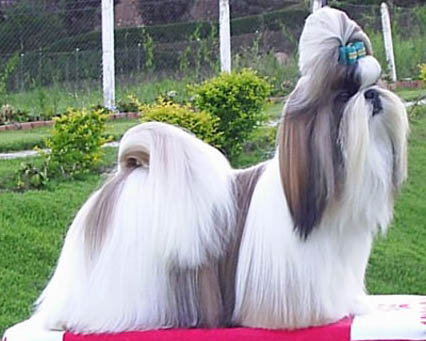
The shih tzu coat is a paradox — it looks like silk but behaves like velcro. That beautiful, flowing double coat has been bred for aesthetics over centuries, and maintaining it requires understanding how it actually works, not just how it looks.
The Double Coat Structure
Shih Tzus have two layers working together:
The undercoat: Soft, dense, and insulating. This layer keeps the dog warm in winter and cool in summer (yes, insulation works both ways). It's also where most matting begins.
The outer coat: Long, silky, and flowing. In a show Shih Tzu, this coat reaches the floor. For most pet owners, it's kept trimmed to a practical length.
These two layers interact constantly. The soft undercoat sheds into the longer outer coat, where it gets trapped and tangles. Unlike single-coated breeds where loose hair simply falls away, the Shih Tzu's coat structure holds everything in — which is why regular brushing isn't optional.
A surprising fact: Shih Tzu hair grows to a natural terminal length, unlike Poodle hair which grows indefinitely. A Shih Tzu's coat will eventually stop growing at roughly floor length (12-14 inches on an adult), though most pet owners never see this because regular trims keep it shorter.
How the Shih Tzu Coat Changes With Age
Puppy Coat (Birth to 10-12 Months)
Puppies have a single layer of soft, manageable hair. It's easy to brush, rarely mats, and gives new owners a false sense of security about coat maintenance.
Coat Transition (10-18 Months)
The adult undercoat starts growing in while the puppy coat is still present. This overlap creates a matting nightmare. Many owners hit this stage and suddenly think something is wrong — the coat that used to be easy is now tangling daily.
Nothing is wrong. This is normal. But it demands:
- Daily brushing without exception
- Professional grooming every 3-4 weeks
- Keeping the coat shorter during transition reduces difficulty significantly
Adult Coat (18+ Months)
Once fully transitioned, the adult coat settles into a predictable pattern. It still requires regular maintenance, but the explosive matting of the transition period calms down. Brushing every 1-2 days maintains a puppy cut; daily for longer styles.
Brushing Technique for Shih Tzus
The right tools and technique make the difference between effective brushing and wasted effort.
Tools you need:
- Pin brush (for the outer coat)
- Slicker brush (for the undercoat and tangles)
- Metal comb with both wide and fine teeth
- Detangling spray (makes brushing easier and reduces breakage)
Common Shih Tzu Coat Problems
Tear Staining
Those reddish-brown streaks under the eyes are caused by a compound called porphyrin in tears. Shih Tzus' prominent eyes and shallow eye sockets produce excessive tearing, and the moisture oxidizes on light-colored fur.
Management: Wipe the eye area daily with a clean, damp cloth. Keep facial hair trimmed away from the eyes. Tear stain products can help lighten existing stains.
Beard Discoloration
Similar to tear staining, the beard area discolors from saliva and food contact. Wiping after meals and keeping the beard trimmed helps.
Hot Spots
Trapped moisture under mats creates hot spots — red, inflamed, sometimes oozing patches of skin. By the time you see them, they often need veterinary treatment. Prevention through regular brushing is far easier than treatment.
Skin Allergies
Shih Tzus are prone to environmental and food allergies that manifest as itching, redness, and coat quality changes. If your Shih Tzu is scratching excessively, the coat may be hiding an underlying skin issue that needs veterinary attention.
What to Ask Your Groomer
Good groomer communication prevents problems:
Between-Visit Care Calendar
Daily: Wipe around eyes and mouth. Quick check of ears, under collar, and behind ears for tangles.
Every 1-2 days: Full brush-out (10-15 minutes for a puppy cut, 20-30 for longer styles).
Weekly: Check between toes, under tail, and sanitary areas. Check ears for odor or discharge.
Monthly: Assess overall coat condition. Is it maintaining well, or are you finding more tangles? Adjust your routine or grooming schedule accordingly.
Your Shih Tzu's coat tells a story about their health, your maintenance routine, and the quality of their grooming care. Learn to read it, maintain it consistently, and partner with a groomer who understands the breed. That coat was designed for royalty — treat it that way.
---
Ready to streamline your grooming workflow? PawOps Board Manager helps salons track every Shih Tzu from check-in to pickup with real-time visibility. Start your free 30-day trial →
Related Reading: