Understanding Your Schipperke's Coat: What Every Owner Should Know
Understanding Your Schipperke's Coat: What Every Owner Should Know
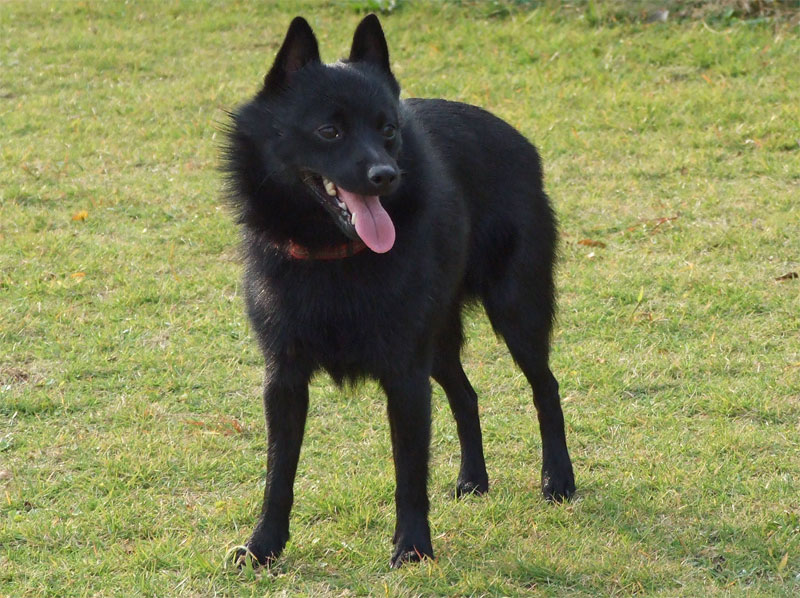
The Schipperke's coat is one of the most distinctive in the dog world. That jet-black, sculpted silhouette -- the dramatic ruff framing the face, the cape flowing across the shoulders, the culottes rounding out the rear -- is not a groomer's creation. It is the natural growth pattern of a coat that evolved on Belgian canal boats and in Flemish workshops over several centuries.
Understanding how this coat works helps you care for it properly and explains why your small dog occasionally decides to shed an entire wardrobe's worth of fur in the span of two weeks.
A Three-Length Coat System
Unlike most double-coated breeds where the coat is relatively uniform in length across the body, the Schipperke's coat grows in three distinct length zones. The AKC breed standard is very specific about this structure:
Zone 1: Short
The face, skull, fronts of the front legs, and the hocks are covered in short, smooth fur that lies flat against the body. This creates the clean-faced, alert expression the breed is known for.
Zone 2: Medium
The body coat -- across the back, sides, and tops of the front legs -- is medium in length. This is the workhorse layer that provides the bulk of weather protection.
Zone 3: Long (The Distinctive Parts)
This is where the Schipperke gets its silhouette:
- Ruff: A thick collar of longer fur around the neck, particularly prominent in males. Creates the lion-like appearance.
- Cape: Longer fur extending from the back of the ruff across the shoulders. Combined with the shorter body coat, this creates the sloping topline.
- Jabot: A frill of longer fur on the chest between the front legs.
- Culottes: Longer fur on the back of the thighs that creates a rounded appearance when viewed from behind.
The Color Question
The AKC breed standard recognizes only solid black Schipperkes. The coat is not actually one uniform shade of black though. Under strong light, you may notice the undercoat has a slightly lighter, almost charcoal tone compared to the jet-black outer coat. Some dogs show slight browning of the coat from sun exposure, particularly along the back and shoulders. This is cosmetic, not a health concern.
In some other countries (notably Belgium and the Netherlands, the breed's homeland), other colors including chocolate, cream, and blue are recognized. But in the US show ring and breed standard, it is black or nothing.
The solid black color has a practical grooming implication: skin conditions, parasites, and hot spots are significantly harder to spot visually. Touch-based assessment during grooming is essential for this breed.
The Legendary Schipperke Blowout
If you own a Schipperke, you either have experienced a coat blowout or you have one coming. And you need to be ready for it.
How It Works
Unlike most double-coated breeds that shed gradually with seasonal peaks, many Schipperkes blow their entire undercoat in one dramatic event. The process typically takes two to three weeks. During this time, the undercoat loosens in sheets and tufts. You can literally pull handfuls of soft undercoat from the dog with your bare hands.
What It Looks Like
A fully-coated Schipperke going through blowout looks moth-eaten. Patches of thin coat appear as the undercoat releases unevenly. The ruff and cape lose their fullness. The dog may look like a completely different breed during peak blowout.
Once the dead undercoat is fully shed, the Schipperke looks sleek, almost smooth-coated, wearing only the outer coat. Over the following four to eight weeks, the undercoat regrows to full density.
Frequency
The Schipperke Club of America notes:
- Intact females: May blow coat after each heat cycle (typically twice per year)
- Spayed females: Usually blow coat once or twice per year
- Intact and neutered males: Typically once per year, sometimes twice
- Individual variation: Some Schipperkes blow coat three times per year; a few seem to shed more gradually
Managing a Blowout
During blowout:
- Brush daily with a slicker brush and undercoat rake
- Schedule one or two professional deshedding sessions
- Accept that there will be fur everywhere for two weeks
- Do NOT shave the dog -- the blowout is temporary and the coat regrows normally
Common Coat Issues
Ruff and Cape Matting
The longer fur in the ruff and cape areas is most prone to tangling, especially where it transitions to shorter body coat. Regular combing prevents mats from forming. If a mat develops in the ruff, it tightens quickly because the collar and leash create constant friction in that area.
Sunbleaching
Schipperkes that spend significant time outdoors may develop a brownish or reddish cast to the black coat, particularly along the back and shoulders. This is UV damage to the pigment and is cosmetic. It does not affect coat health, but owners who want to maintain the jet-black color should limit extended sun exposure or use a UV-protective coat spray.
Skin Issues Hidden by Dark Coat
As mentioned, the solid black coat makes visual skin assessment difficult. Schipperke owners should make a habit of parting the coat and looking at the skin during regular brushing sessions. Pay attention to:
- Flaking or scaling
- Redness or irritation
- Unusual bumps or lumps
- Hot spots (moist, irritated patches)
Post-Blowout Coat Texture Changes
Some owners notice that the coat texture changes slightly after a blowout, especially as the dog ages. The undercoat may regrow slightly thicker or the outer coat may lose some harshness. These changes are gradual and normal. Dietary support with omega fatty acids helps maintain coat quality over time.
Your Home Maintenance Plan
Tools needed:
- Slicker brush (primary brushing tool)
- Steel comb (for ruff, cape, and culottes)
- Undercoat rake (essential during blowouts)
- Small scissors (for tidying paw pads and sanitary areas)
During blowouts (daily, 10-15 minutes):
A Fascinating Coat History
The Schipperke's coat evolved for a specific working environment. On Belgian canal boats, the dogs faced wind, rain, and cold in confined quarters where a long, flowing coat would catch on ropes and equipment. The coat developed to be protective but compact -- dense enough for warmth, harsh enough to shed water, but close-lying enough to avoid snagging.
The three-length system may also relate to the breed's dual role as watchdog and ratter. The short coat on the face and legs allowed quick, unencumbered movement when chasing vermin. The thicker ruff and cape provided protection for the neck and shoulders -- vulnerable areas in a fight with a cornered rat.
Whether or not these historical explanations are perfectly accurate, the coat the Schipperke carries today is clearly the product of generations of functional selection. It is not decorative. It is equipment.
When to Worry About the Coat
- No blowout for over 18 months: Could indicate hormonal imbalance
- Coat not regrowing after blowout: May signal thyroid issues or alopecia
- Patchy loss outside of normal blowout: Could be fungal, allergic, or hormonal
- Loss of harsh outer coat texture: Often diet-related; sometimes age-related
- Persistent dandruff or flaking: May indicate sebaceous adenitis or environmental allergies
PawOps helps grooming salons manage breeds with unique coat structures using breed-specific profiles and condition scoring -- so your Schipperke's three-length coat system gets the specialized attention it requires.
Related Reading: