Why Your Rhodesian Ridgeback Needs Professional Grooming (That Ridge Isn't Self-Cleaning)
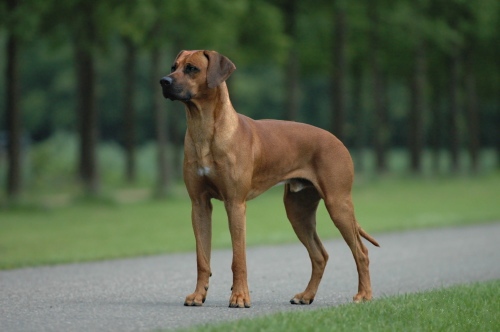
Why Your Rhodesian Ridgeback Needs Professional Grooming (That Ridge Isn't Self-Cleaning)
Rhodesian Ridgebacks look like the kind of dog that grooms itself. That smooth, sleek coat practically gleams in sunlight. There's no long hair to tangle, no curls to manage, no fluff to contend with. Surely a wipe-down with a damp cloth covers it, right?
Not quite. The Rhodesian Ridgeback has a coat that's deceptively simple-looking but carries specific care requirements -- and the breed has physical characteristics that make professional grooming more important than most short-coated breed owners realize.
Let's get into why Rhodesian Ridgeback professional grooming deserves a spot in your regular routine.
The Ridgeback Coat Is More Than It Appears
The Rhodesian Ridgeback has a short, dense coat that lies flat against the body. The individual hairs are slightly coarser than you'd expect by looking -- there's a firm texture that gives the coat its distinctive sleekness and weather resistance.
But here's what most people miss: Ridgebacks shed. They shed consistently, year-round, with upticks during seasonal transitions. Those short, stiff hairs have a special talent for embedding themselves into fabric, upholstery, and car seats with a persistence that rivals any long-coated breed. The difference is that Ridgeback hairs are nearly invisible until you run your hand across your couch and feel them.
Here's a surprising fact: despite having a single coat (no undercoat in the traditional sense), Rhodesian Ridgebacks actually shed at rates comparable to many double-coated breeds. The individual hairs have a faster growth cycle and turnover rate, meaning old hairs are constantly being replaced. The lack of an undercoat doesn't mean less shedding -- it means a different type of shedding.
Professional grooming with high-velocity dryers and proper deshedding techniques removes dead coat far more effectively than home brushing, reducing the constant hair presence in your home by a noticeable margin.
Rhodesian Ridgeback Professional Grooming Addresses the Ridge
Let's talk about the breed's namesake feature: the ridge. That stripe of hair growing in the opposite direction along the spine is more than a cosmetic curiosity -- it's a grooming consideration.
The ridge creates a natural parting line where the forward-growing hair meets the normal coat growth direction. Along this border, dead hair and debris can accumulate differently than on the rest of the body. The junction points, particularly around the crowns (the two swirls at the top of the ridge), need careful attention because dirt and loose hair collect in these whorls.
A lesser-known grooming concern related to the ridge: some Ridgebacks develop dermoid sinuses, which are tube-like openings in the skin along the ridge line. While this is primarily a medical condition, groomers familiar with the breed know to check the ridge area for any abnormalities during grooming and flag them for veterinary attention. Regular professional grooming means regular skin inspection by someone trained to notice changes.
Skin Health Is the Real Grooming Priority
The Rhodesian Ridgeback's coat is easy to manage. The skin underneath? That's where the work is.
Ridgebacks are surprisingly prone to skin issues. The breed's African heritage means they were built for hot, dry climates -- but many pet Ridgebacks live in humid environments where their skin isn't naturally suited to thrive.
Common skin concerns in Ridgebacks:
- Skin fold irritation: While they're not a wrinkly breed, Ridgebacks can have subtle skin folds around the face, neck, and groin that trap moisture and bacteria.
- Hot spots: Active Ridgebacks, especially those who swim or play in wet conditions, develop hot spots when moisture gets trapped against the skin.
- Allergic dermatitis: Ridgebacks are in the top 25% of breeds for environmental allergies. Pollen, grass, mold, and dust mites can trigger itchy, inflamed skin that's hidden under the smooth coat.
- Fungal infections: The breed's predisposition to skin sensitivity makes them susceptible to yeast overgrowth and ringworm, particularly in warm, humid conditions.
Professional groomers examine the skin systematically during bathing -- when the coat is wet and parted, skin conditions that are invisible under the dry coat become apparent. This early detection can save significant veterinary bills and prevent your dog from suffering through an undiagnosed skin problem.
Size and Strength Demand Professional Equipment
Rhodesian Ridgebacks are big dogs. Males typically range from 80 to 90 pounds, with some reaching 100 pounds or more. They're powerful, athletic, and have strong opinions about what they'd prefer to be doing at any given moment.
Grooming a Ridgeback at home presents practical challenges:
Bathing. Getting an 85-pound Ridgeback into and out of a residential bathtub is a workout. And if your Ridgeback decides mid-bath that they're done, you're dealing with a wet, soapy, determined dog in a confined space. Professional grooming salons have walk-in tubs, restraint systems, and drainage designed for large dogs.
Nail trimming. Ridgeback nails are thick, dark (on most coat colors), and grow fast. The dark color makes the quick invisible, so every trim carries a risk of cutting too short. On a dog this size and strength, a painful nail trim creates a lasting negative association. Professional groomers with large breed experience handle this efficiently and confidently.
Ear cleaning. Ridgebacks have pendant ears -- those large, soft flaps that hang close to the head. Pendant ears restrict airflow to the ear canal, creating a warm, moist environment where bacteria and yeast thrive. Professional ear cleaning every 6-8 weeks, combined with home maintenance between visits, keeps infections at bay.
Anal gland expression. Large breeds can struggle with anal gland issues, and many owners prefer to have this handled professionally rather than attempting it at home on a powerful, potentially reactive dog.
What a Professional Ridgeback Groom Includes
A thorough professional grooming session for a Rhodesian Ridgeback:
Total time: about 45 minutes to 1.5 hours depending on size and coat condition. This is generally faster than many breeds because there's no haircut involved, but the thorough skin and health assessment takes time.
How Often Should a Rhodesian Ridgeback See a Groomer?
- Every 6-8 weeks -- Standard recommendation for most Ridgebacks
- Every 4-6 weeks -- For Ridgebacks with skin conditions, chronic ear infections, or those living in hot, humid climates
- Monthly -- For senior Ridgebacks or those with ongoing dermatological management
Between Professional Visits
- Weekly brushing with a rubber curry mitt (5 minutes -- even the most reluctant Ridgeback tolerates this)
- Weekly ear checks -- lift the flap, look for redness, smell for yeast, wipe gently with a dog ear cleaning solution
- Check the ridge area monthly for any skin changes, bumps, or openings
- Paw pad checks after exercise on rough or hot surfaces
- Wipe down with a damp cloth after muddy adventures (Ridgebacks are secretly drawn to mud despite their dignified appearance)
Finding the Right Groomer for Your Ridgeback
Rhodesian Ridgebacks are generally good-natured about grooming, but they have a breed-specific trait that groomers should know about: they're independently minded. A Ridgeback doesn't submit to handling the way some breeds do. They cooperate when they choose to, and they'll let you know when they've had enough.
When choosing a groomer:
- Look for large breed experience. A groomer comfortable with dogs in the 80-100 pound range will handle your Ridgeback appropriately.
- Ask about their approach to independent breeds. Groomers who work with sighthounds, Ridgebacks, and similar breeds understand the patience required.
- Check the facility's setup. Walk-in tubs, sturdy grooming tables, and calm environments matter for a breed this size.
- Discuss the ridge. A groomer who knows what a dermoid sinus looks like and understands the ridge's grooming implications is a find. Not all groomers have Ridgeback experience -- those who do are worth seeking out.
- Ask about breed-specific pricing. Use our free pricing calculator → Salons using tools like PawOps provide accurate pricing based on your specific Ridgeback's weight and coat condition rather than guessing.