Why Your Pug Needs Professional Grooming (Wrinkles, Shedding, and All)
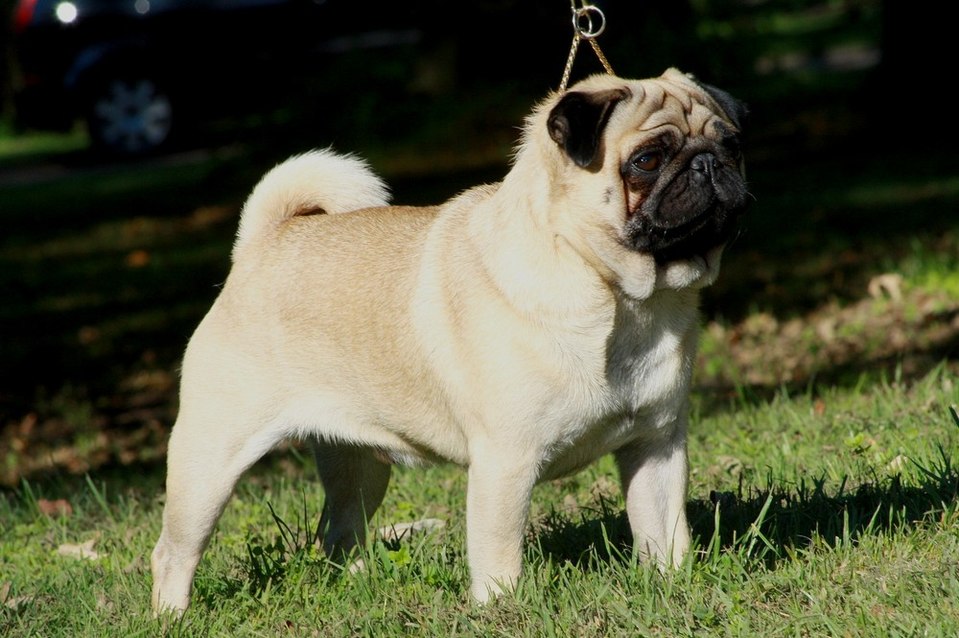
Why Your Pug Needs Professional Grooming (Wrinkles, Shedding, and All)
Pugs are compact, adorable, and appear to require approximately zero maintenance. They're small. They have short hair. What could possibly need professional grooming?
Everything, actually. Pugs are secretly one of the highest-maintenance breeds in the grooming department. That smooshed face, those deep wrinkles, and that deceptively dense coat all add up to a dog that genuinely needs professional attention.
The Wrinkle Factor: Why Pugs Need Expert Hands
Those adorable facial wrinkles aren't just cute -- they're bacterial real estate. The deep folds on a Pug's face trap moisture, food particles, dirt, and natural skin oils. Without regular cleaning, those folds become a breeding ground for:
- Bacterial infections (manifesting as redness, odor, and discharge)
- Yeast overgrowth (itchy, smelly, and uncomfortable)
- Skin fold dermatitis (inflammation that can become chronic)
According to the Pug Dog Club of America, skin fold infections are among the top three health issues reported by Pug owners. Regular professional wrinkle care significantly reduces the frequency and severity of these infections.
Pugs Shed Like It's Their Full-Time Job
Here's the surprise that every first-time Pug owner discovers with horror: Pugs shed an absolutely staggering amount of hair. Despite their small size and short coat, Pugs are among the heaviest shedding breeds on the planet.
Why? Because most Pugs have a double coat -- a dense, soft undercoat beneath the visible outer coat. That undercoat sheds continuously and blows out twice a year in quantities that would impress a Husky.
Surprising fact: fawn Pugs (the most common color) actually shed significantly more than black Pugs. Fawn Pugs typically have a denser double coat, while black Pugs often have a single coat. The difference in shedding volume between the two is dramatic -- fawn Pugs can shed roughly twice as much.
Professional deshedding treatments using high-velocity dryers and specialized tools remove loose undercoat far more effectively than home brushing. A single professional session can eliminate the majority of loose undercoat, buying you weeks of reduced shedding at home.
Ears, Eyes, and Everything In Between
Pugs have a collection of breed-specific features that all need professional attention:
Ears: Soft, folded ears that trap moisture and wax. Regular professional cleaning prevents the ear infections that plague Pugs.
Eyes: Those big, gorgeous, bulging eyes are vulnerable to irritation, tear staining, and corneal damage. Professional grooming includes careful eye cleaning and assessment of tear duct health.
Nose roll: The fold of skin above the nose (called the nose rope) requires specific cleaning attention. This fold is deeper in some Pugs than others and is a prime location for chronic irritation.
Nails: Pugs are not exactly known for their athletic activities. Many are champion nap-takers, which means zero natural nail wear. Professional trimming every 4-6 weeks keeps nails at a healthy length.
Anal glands: Pugs are one of the breeds most commonly needing regular anal gland expression. Their compact build and sometimes overweight condition contribute to this need.
Skin Health Under All That Fur
Beneath the shedding fur, Pugs have sensitive skin that's prone to:
- Allergies: Both food and environmental allergies are common, causing itching, redness, and hot spots
- Demodectic mange: Pugs have a higher-than-average susceptibility
- Pyoderma: Bacterial skin infections, often linked to skin fold moisture
- Seborrhea: Overproduction of skin oils leading to greasy coat and odor
What a Professional Pug Grooming Session Includes
That's not a quick wash -- it's a full health maintenance session.
Grooming Frequency for Pugs
Pugs should see a professional groomer every 4-6 weeks. This is more frequent than many breeds of similar size, and it's driven by their skin fold care needs and heavy shedding.
Between visits, your daily and weekly home care routine should include:
- Daily: Wipe facial wrinkles with a clean, dry cloth or unscented wipe
- Every other day: Quick brush with a rubber curry tool
- Weekly: Check ears, clean eye area, inspect skin folds
- As needed: Wipe nose rope after messy meals
Finding a Groomer Who Knows Pugs
Not every groomer is comfortable with brachycephalic breeds. Pugs require special considerations:
- Temperature control: Pugs overheat easily. The grooming area must be climate-controlled, and drying time should be managed carefully.
- Breathing awareness: Grooming can be stressful, and stress exacerbates breathing difficulties in flat-faced breeds. A good groomer monitors breathing throughout.
- Wrinkle expertise: Not all groomers know how to properly clean and dry facial folds. Ask about their experience with brachycephalic breeds.
- Gentle handling: Pugs are people-oriented dogs who respond best to calm, patient handling.
FAQ
How often should a Pug be professionally groomed?
Every 4-6 weeks. Pugs need more frequent grooming than most breeds their size due to skin fold care needs and heavy shedding.Do Pugs really shed that much?
Yes, Pugs are among the heaviest shedding breeds despite their small size. Fawn Pugs with double coats shed significantly more than black Pugs, which often have single coats.How do I clean my Pug's wrinkles between grooming appointments?
Wipe facial folds daily with a clean, dry cloth or unscented baby wipe. Make sure folds are completely dry afterward -- trapped moisture causes infections. Never use scented wipes or products that could irritate sensitive skin.Can Pugs overheat during grooming?
Yes. Pugs are brachycephalic and overheat easily. Choose a groomer who maintains a cool salon environment and monitors your dog throughout the session. If your Pug starts panting excessively, the groomer should take breaks.Why does my Pug smell even after a bath?
The most common culprit is skin fold odor -- bacteria in wrinkles that weren't adequately cleaned and dried. Professional groomers address this with thorough fold cleaning. If odor persists, it could indicate a yeast infection, anal gland issues, or ear infection requiring veterinary attention.---
Ready to streamline your grooming workflow? PawOps Board Manager helps salons track every Pug from check-in to pickup with real-time visibility. Start your free 30-day trial →