Understanding Your Pug's Coat: The Truth About That Shedding Machine
Understanding Your Pug's Coat: The Truth About That Shedding Machine
If you've ever owned a Pug and worn black clothing on the same day, you know. The shedding is legendary. But there's a lot more going on with the Pug coat than just hair-on-everything, and understanding how it works gives you the tools to manage it and keep your dog healthy.
Pug Coat Anatomy: What's Under the Hood
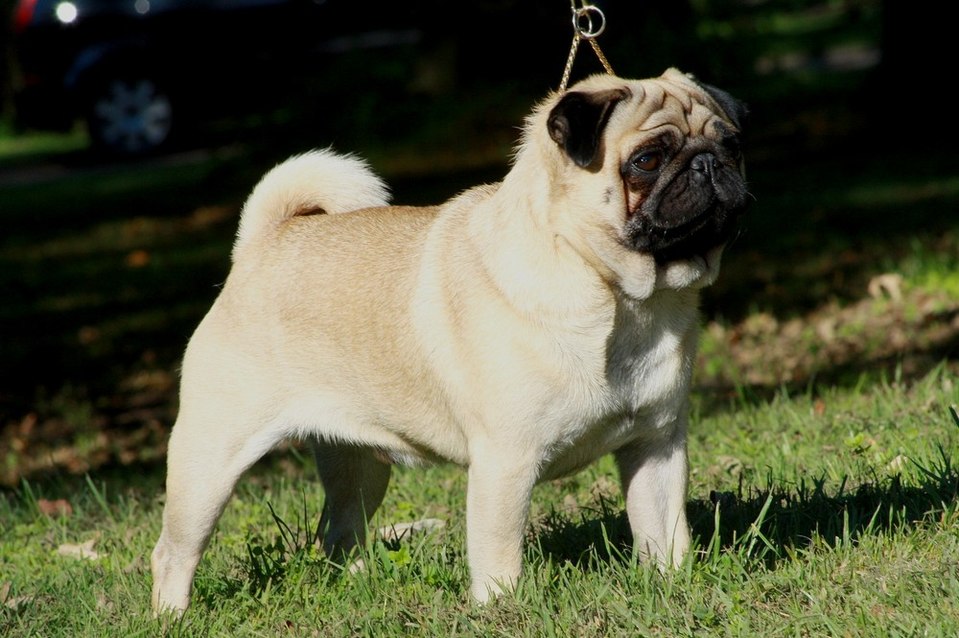
The Pug coat is a short, dense, smooth coat that feels soft and velvety to the touch. But here's where it gets interesting -- not all Pug coats are created equal.
Fawn Pugs (the most common color) typically have a true double coat:
- Outer coat: Short, smooth guard hairs
- Undercoat: Dense, soft, insulating layer
- Outer coat: Short, smooth, slightly coarser than fawn
- Undercoat: Minimal to absent
Surprising fact: the difference between fawn and black Pug shedding is so pronounced that some grooming salons actually price fawn Pugs $5-$10 higher than black Pugs for deshedding services. The additional undercoat literally requires more work.
The Shedding Situation: Real Talk
Pugs shed. A lot. Here's what that actually looks like:
- Daily shedding: Moderate to heavy, year-round
- Seasonal blowouts: Spring and fall bring dramatically increased shedding as the undercoat turns over
- Hair type: Short, straight, needle-like hairs that embed in fabric and are notoriously difficult to remove with a standard lint roller
- Volume: Disproportionate to body size -- a 15-pound Pug can out-shed a 60-pound Labrador during peak season
Why Pugs Shed So Much
The answer comes down to hair growth cycles. Pug hairs have a very short active growth phase (anagen) compared to breeds like Poodles. This means each individual hair reaches its maximum length quickly, falls out, and gets replaced. The cycle is fast and continuous, resulting in a constant stream of loose hair.
Breeds with long hair growth cycles (like Poodles or Yorkshire Terriers) hold onto their hairs much longer, which is why they shed minimally. Pugs are on the opposite end of that spectrum.
Managing the Shedding
You cannot stop a Pug from shedding. You can only manage where the hair ends up:
Coat Colors and Patterns
The AKC recognizes two Pug colors:
Fawn
Ranging from light cream to deep apricot, always with a black mask, black ears, and a dark trace (line running down the spine). Fawn Pugs have the densest coats and the heaviest shedding.Black
Solid black throughout. Black Pugs tend to have sleeker, less dense coats with minimal undercoat. Their coats often appear shinier than fawn coats.Some breeders produce other colors (silver, apricot, brindle), but these aren't AKC-recognized and may come from outcrossing. Color doesn't typically affect health, but the double-coat vs. single-coat distinction between fawn and black is a genuine structural difference.
Skin Health: Your Pug's Biggest Coat Concern
Beneath all that shedding fur, Pug skin has its own set of challenges:
Wrinkle Care (Skin Fold Dermatitis)
The most important skin concern for Pugs. Those adorable facial folds -- especially the nose rope -- trap moisture, bacteria, and debris. Without daily cleaning:- Bacterial infections develop within days
- Yeast overgrowth produces a distinctive sour smell
- Chronic inflammation leads to permanent skin damage
Allergies
Pugs are allergy-prone. Common triggers include:- Grass and pollen (environmental)
- Chicken, beef, or grain (food)
- Dust mites (indoor)
Hot Spots
Acute moist dermatitis can develop quickly on Pugs, especially in warm, humid weather. Areas where dense coat traps moisture against skin are prime locations. Regular deshedding reduces risk by improving airflow to the skin.Seborrhea
Some Pugs produce excess skin oils, leading to a greasy coat and distinctive odor. This can be primary (genetic) or secondary (caused by allergies or other conditions). Regular bathing with appropriate medicated shampoo manages symptoms effectively.Nutrition and Your Pug's Coat
Diet is the single biggest factor you can control for coat health:
- Omega-3 fatty acids: Fish oil reduces inflammation and shedding volume. A daily supplement makes a measurable difference within 4-6 weeks.
- Omega-6 fatty acids: Support the skin barrier and coat luster
- High-quality protein: Named meat as the first ingredient supports healthy hair growth
- Avoid fillers: Corn, wheat, and soy can trigger allergies in sensitive Pugs, worsening skin and coat quality
- Adequate hydration: Make sure your Pug drinks enough water. Dehydrated skin = worse shedding and flaking
Grooming Tools That Actually Work for Pugs
Skip the generic brush aisle and get these:
| Tool | Purpose | Frequency | |------|---------|----------| | Rubber curry brush | Removes loose surface hair, stimulates skin | Every other day | | Deshedding tool (like FURminator short hair) | Pulls out loose undercoat | Weekly during shedding season | | Grooming glove | Quick daily maintenance, feels like petting | Daily | | Unscented baby wipes or pet wipes | Wrinkle cleaning | Daily | | Soft bristle brush | Finishing brush for shine | After baths |
Seasonal Coat Care
| Season | What Happens | What to Do | |--------|-------------|------------| | Spring | Major undercoat blowout | Daily brushing, professional deshedding | | Summer | Moderate shedding, heat sensitivity | Keep cool, regular baths, watch for hot spots | | Fall | Secondary coat transition | Increased brushing, professional deshedding | | Winter | Normal shedding, dry skin risk | Moisturizing shampoo, omega supplements, sweater for outdoor time |
Your Pug's coat is a package deal -- you get the adorable, velvety softness along with the industrial-grade shedding. Understanding the mechanics helps you manage both. Keep the coat maintained, the wrinkles clean, and the diet solid, and your Pug will be the healthiest shedding machine on the block.
FAQ
Why do fawn Pugs shed more than black Pugs?
Fawn Pugs typically have a dense double coat (outer coat plus undercoat), while black Pugs often have a single coat with minimal undercoat. More coat layers means more hair to shed.How can I reduce my Pug's shedding?
You can't eliminate it, but you can manage it: brush every other day, bathe every 4-6 weeks, supplement with fish oil, feed high-quality food, and get professional deshedding treatments. These measures can reduce loose hair in your home by 60-80%.Should I shave my Pug in summer?
Never shave a Pug. Their coat provides UV protection and some temperature regulation. Shaving can lead to sunburn, coat damage, and doesn't actually cool them down. Instead, manage heat through shade, AC, and avoiding peak sun hours.How do I clean my Pug's facial wrinkles?
Wipe folds daily with a clean, dry cloth or unscented wipe. Go gently through each fold, removing any debris or moisture. Dry thoroughly. If you notice redness, odor, or discharge, see your vet -- it may be an infection.What food helps with Pug coat health?
High-quality dog food with named meat as the first ingredient, supplemented with fish oil (omega-3 fatty acids). Avoid foods with corn, wheat, and soy if your Pug has allergies. Look for formulas designed for skin and coat health.---
Ready to streamline your grooming workflow? PawOps Board Manager helps salons track every Pug from check-in to pickup with real-time visibility. Start your free 30-day trial →