Understanding Your Pitsky's Coat: What Every Owner Should Know
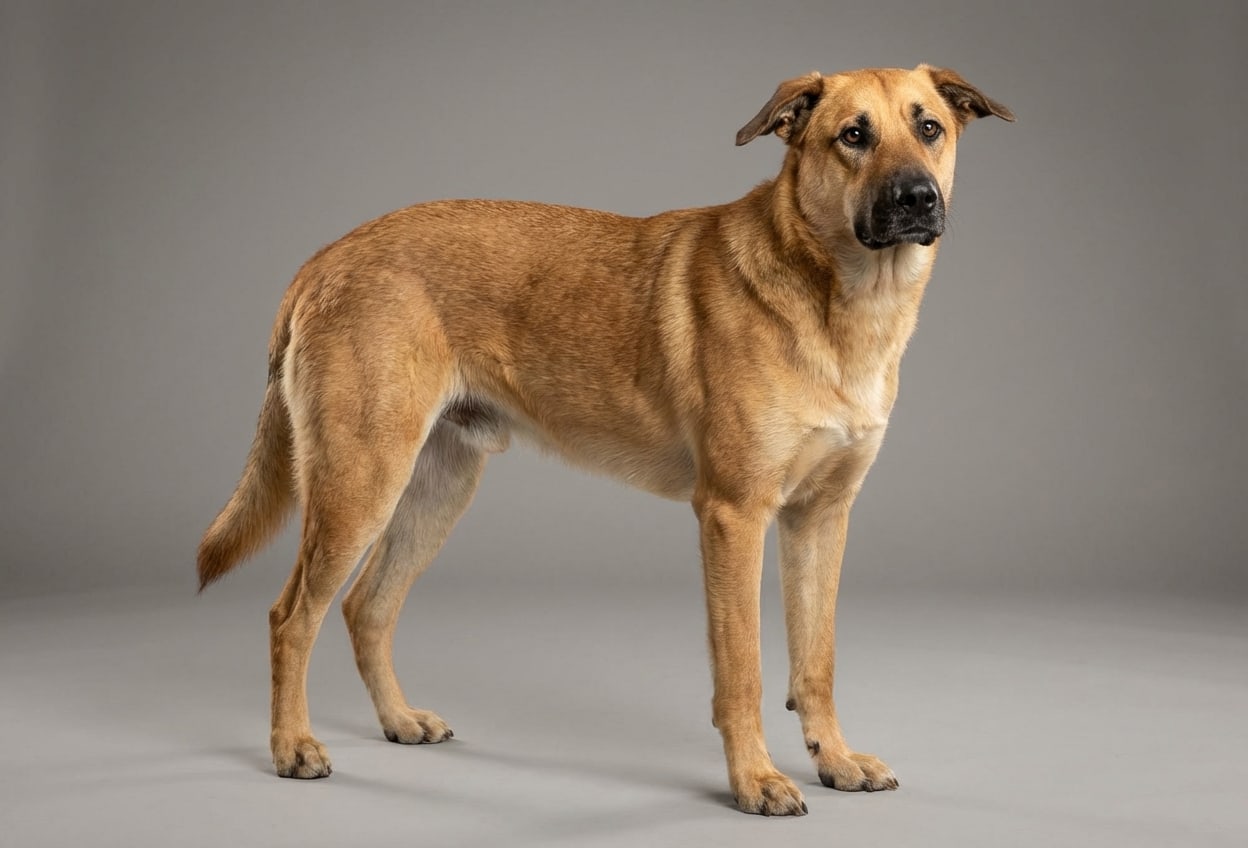
The Pitsky combines two breeds with dramatically different coat types -- creating one of the most variable designer breeds when it comes to fur. The American Pit Bull Terrier's sleek, single-layer coat and the Siberian Husky's dense double coat produce offspring that can look (and feel) completely different from each other, even within the same litter.
The Parent Coat Contrast
American Pit Bull Terrier: A short (0.5-1 inch), stiff, glossy single coat. No undercoat. Low maintenance. Lies flat against the muscular body. Sheds lightly year-round.
Siberian Husky: A medium-length (1-2 inches), soft, dense double coat. Thick undercoat for insulation. Heavy seasonal shedding with year-round moderate shedding.
This is one of the most extreme coat-type differences between any two breeds commonly crossed. The genetic results are genuinely unpredictable.
Pitsky Coat Types
Type 1: Short Single Coat (Pit Bull-Dominant)
Seen in approximately 20% of Pitskies:
- Very short, smooth fur lying flat against skin
- No discernible undercoat
- Glossy, sometimes stiff texture
- Shedding: light to moderate year-round, no seasonal blowouts
- Skin visible through coat in some areas (belly, inner thighs)
Type 2: Short Double Coat (Most Common Hybrid)
The majority at approximately 50% of Pitskies:
- Short to medium outer coat (1-1.5 inches)
- Detectable undercoat that thickens in winter
- Smooth to slightly plush texture
- Shedding: moderate year-round with noticeable seasonal increases
- Denser on the body, shorter on face and legs
Type 3: Medium Plush Double Coat (Husky-Dominant)
About 30% of Pitskies:
- Medium-length outer coat (1.5-2.5 inches)
- Thick, soft undercoat
- Plush, sometimes slightly stand-off texture
- May develop a slight ruff around neck
- Shedding: heavy, with dramatic seasonal blowouts
- Possible light feathering on tail and legs
Coat and Skin Health: The Pit Bull Factor
Regardless of coat type, many Pitskies inherit the Pit Bull's skin sensitivity. The American Pit Bull Terrier is among the top 10 breeds for skin allergies according to the Veterinary Information Network. Watch for:
Environmental allergies (atopic dermatitis):
- Itching, especially paws, belly, ears, and groin
- Red, inflamed skin
- Recurring ear infections
- Seasonal pattern (worse spring/summer)
- Year-round itching
- Chronic ear infections
- GI symptoms combined with skin issues
- Dull, dry coat
- Localized reactions where skin contacts irritants
- Red, bumpy patches on belly (from grass) or chin (from bowls)
Color and Pattern in Pitskies
Pitskies display remarkable color diversity:
- Brindle (Pit Bull contribution)
- Black and white (Husky markings)
- Blue/gray
- Red/fawn
- Brown/chocolate
- White
- Merle (less common, occurs if one parent carries the gene)
- Patchwork combinations
Care Guide by Coat Type
Short Single Coat Care
Brushing: Once or twice weekly with a rubber curry brush or grooming mitt Bathing: Every 4-6 weeks (more if allergy-prone, with vet-recommended shampoo) Tools: Rubber curry brush, soft bristle brush, grooming wipes Special needs: Sunscreen for light-colored dogs in summer, jackets below 45F
Short Double Coat Care
Brushing: 2-3 times weekly, daily during shedding increases Bathing: Every 6-8 weeks with deshedding shampoo/conditioner Tools: Slicker brush, undercoat rake (for seasonal use), rubber curry brush Special needs: Increased attention during spring/fall transitions
Medium Plush Double Coat Care
Brushing: Daily or every other day, always daily during blowouts Bathing: Every 6-8 weeks with deshedding protocol Tools: Undercoat rake, slicker brush, steel comb, deshedding tool Special needs: Professional deshedding every 6-8 weeks, never shave
The Temperature Equation
Pitskies have widely variable temperature tolerance based on coat type:
| Coat Type | Cold Tolerance | Heat Tolerance | |-----------|---------------|----------------| | Short single | Low (needs jacket <45F) | High | | Short double | Moderate | Moderate-High | | Medium plush | High | Lower (watch for overheating) |
Plush-coated Pitskies in warm climates need extra attention to prevent overheating -- shade, water, limited exercise in peak heat, and aggressive undercoat management to maximize airflow through the coat.
When to Worry About Your Pitsky's Coat
See your vet if you notice:
- Patchy hair loss (may indicate allergies, thyroid issues, or mange)
- Excessive scratching beyond normal shedding behavior
- Red, inflamed, or flaking skin
- Foul odor from the coat (bacterial or yeast infection)
- Sudden change in coat texture or condition
- Bald spots or thinning areas
Your Pitsky's coat reflects a fascinating genetic combination. Understanding which type you have -- and watching for the skin sensitivities that may come with their Pit Bull heritage -- sets you up for a lifetime of proper care.
---
Ready to streamline your grooming workflow? PawOps Board Manager helps salons track every Pitsky from check-in to pickup with real-time visibility. Start your free 30-day trial →
Related Reading: