Why Your Pembroke Welsh Corgi Needs Professional Grooming (Spoiler: It's the Undercoat)
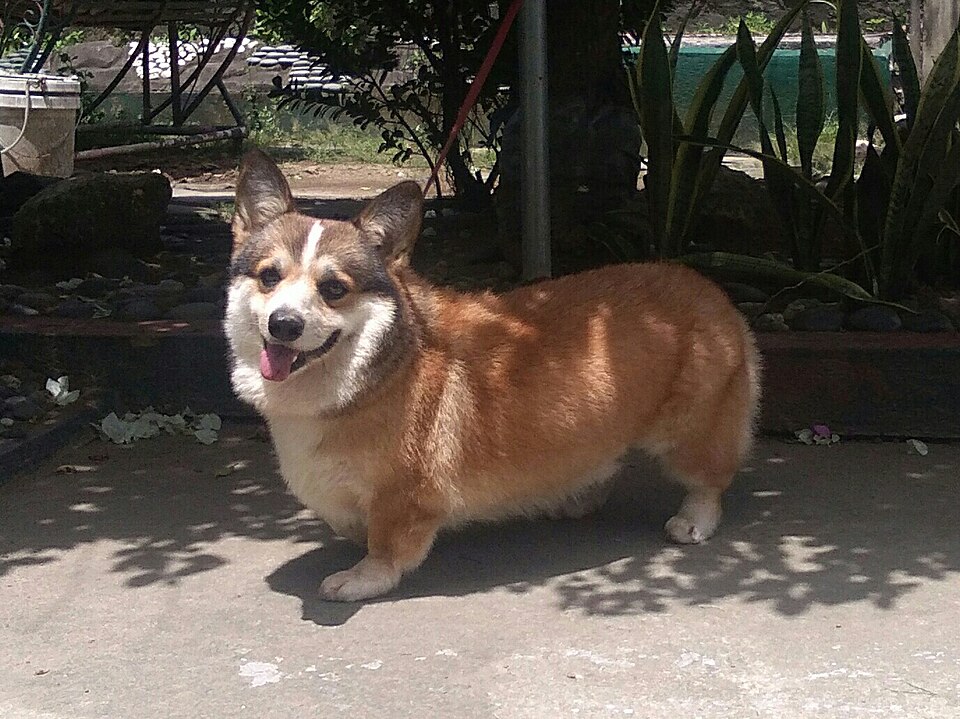
Why Your Pembroke Welsh Corgi Needs Professional Grooming (Spoiler: It's the Undercoat)
Corgis are small dogs with a big dog's coat. That adorable, fluffy body that breaks the internet on a weekly basis is hiding one of the densest double coats in the canine world, packed into a frame that weighs maybe 28 pounds.
And that coat? It's not going to manage itself. Not even close.
If you've ever wondered whether Pembroke Welsh Corgi professional grooming is really necessary or if you can just handle it at home with a brush and some optimism, this one's for you.
That Double Coat Is No Joke
The Pembroke Welsh Corgi has a weather-resistant double coat that was designed for herding cattle in the Welsh countryside. The outer coat is medium-length, straight, and somewhat coarse. Underneath it sits a thick, dense undercoat that provides insulation against rain, cold, and wind.
This coat system works beautifully in the fields of Wales. In your living room, it creates a shedding situation that has to be experienced to be believed.
Corgis shed year-round at a steady pace, but twice a year -- typically in spring and fall -- they undergo what groomers call a "coat blow." During a coat blow, the entire undercoat releases over a period of two to four weeks. The volume of hair that comes off a 27-pound Corgi during a blowout is genuinely staggering. Groomers report pulling fistfuls of undercoat from a single dog in one session.
According to grooming industry data, Pembroke Welsh Corgis rank among the top fifteen heaviest-shedding breeds despite being classified as a small-to-medium dog. Pound for pound, they may actually be the single heaviest shedder in the dog world.
A professional groomer has the tools and technique to manage coat blows effectively. High-velocity dryers blast loose undercoat out of the topcoat in ways no brush can replicate. Deshedding tools extract dead undercoat without damaging the live outer coat. It's a process that takes specialized equipment and breed knowledge.
Pembroke Welsh Corgi Professional Grooming Protects Their Unique Body
Corgis have a body shape that creates grooming challenges you won't find in most breeds. Those short legs and long body mean certain areas need extra attention:
The belly. A Corgi's belly hangs closer to the ground than most dogs. It picks up dirt, moisture, and debris that taller dogs avoid. The belly coat can mat, especially in the feathering around the chest and between the front legs. A groomer trims and cleans this area properly.
The rear. Let's just say it -- Corgi butts are famous for a reason, but all that floof around the hindquarters creates hygiene challenges. The thick fur around the rear can trap waste and moisture. Professional sanitary trims keep this area clean and prevent skin irritation.
The chest ruff. That magnificent chest fluff mats easily if not maintained. Mats in the chest area are uncomfortable because they pull with every step.
Between the toes. Corgis grow fur between their paw pads that collects mud, ice balls (in winter), and small debris. A groomer trims this regularly to prevent slipping and discomfort.
These aren't aesthetic concerns -- they're comfort and hygiene issues specific to the Corgi's unique proportions.
Why Home Grooming Alone Falls Short
You should absolutely be brushing your Corgi at home. A slicker brush and an undercoat rake used two to three times per week will keep the coat manageable between professional appointments. But there's a gap between what home brushing accomplishes and what your Corgi actually needs.
Here's what professional grooming adds:
- High-velocity drying. This is the biggest difference-maker. Professional dryers separate and blast out undercoat that's still anchored in the follicle but ready to shed. One 10-minute blow-dry session removes more loose undercoat than a week of brushing.
- Sanitary trimming. Trimming around the rear, belly, and paw pads requires technique and comfort handling sensitive areas. Most owners aren't equipped for this.
- Nail care. Corgi nails grow fast and their low body makes nail trimming awkward from a home grooming position. Groomers have proper tables and tools.
- Ear cleaning. Those large, upright Corgi ears are great at catching sound -- and debris. Professional cleaning prevents wax buildup and catches early signs of infection.
- Full body assessment. Your groomer runs their hands over every inch of your dog. They find lumps, skin changes, parasites, and coat issues that you'd miss because you see your Corgi every day.
The Coat Blow Season: When Professional Grooming Becomes Critical
During the biannual coat blow, professional grooming shifts from "really helpful" to "borderline essential." The volume of undercoat that releases during a blowout overwhelms home grooming tools.
Here's what a coat blow grooming session looks like:
Many Corgi owners book two professional sessions during each coat blow, spaced about two weeks apart, to stay ahead of the shedding. That's four extra visits per year beyond their regular schedule -- and every groomer will tell you it's worth it.
Health Benefits You Get From Regular Professional Grooming
Pembroke Welsh Corgis are predisposed to several health conditions where regular grooming provides early detection:
- Intervertebral disc disease (IVDD) -- Corgis are prone to back problems due to their long spine. A groomer handling your dog regularly will notice changes in how they stand, move, or react to touch along the spine.
- Hip dysplasia -- Changes in gait or reluctance during grooming can signal joint issues.
- Hot spots -- The dense undercoat traps moisture against the skin, creating perfect conditions for hot spots. Groomers catch these before they become serious.
- Allergic dermatitis -- Skin reactions that hide under the thick coat are visible during professional grooming when the coat is thoroughly worked through.
How Often Should Your Corgi See a Professional Groomer?
For Pembroke Welsh Corgis, the recommended schedule is:
- Regular maintenance: Every 6-8 weeks for a full professional groom
- During coat blow (spring and fall): Every 2-3 weeks until the blowout subsides (typically 2-3 sessions per blowout)
- Between visits: Brush at home with a slicker brush and undercoat rake at least 2-3 times per week, daily during coat blow season
Your Corgi's coat was built for Welsh weather, not for Netflix on the couch. Professional grooming keeps that hardworking double coat healthy, manageable, and doing what it was designed to do -- without turning your entire home into a fur-covered wonderland.
---
Ready to streamline your grooming workflow? PawOps Board Manager helps salons track every Pembroke Welsh Corgi from check-in to pickup with real-time visibility. Start your free 30-day trial →