Understanding Your Pekingese's Coat: What Every Owner Should Know
Understanding Your Pekingese's Coat: What Every Owner Should Know
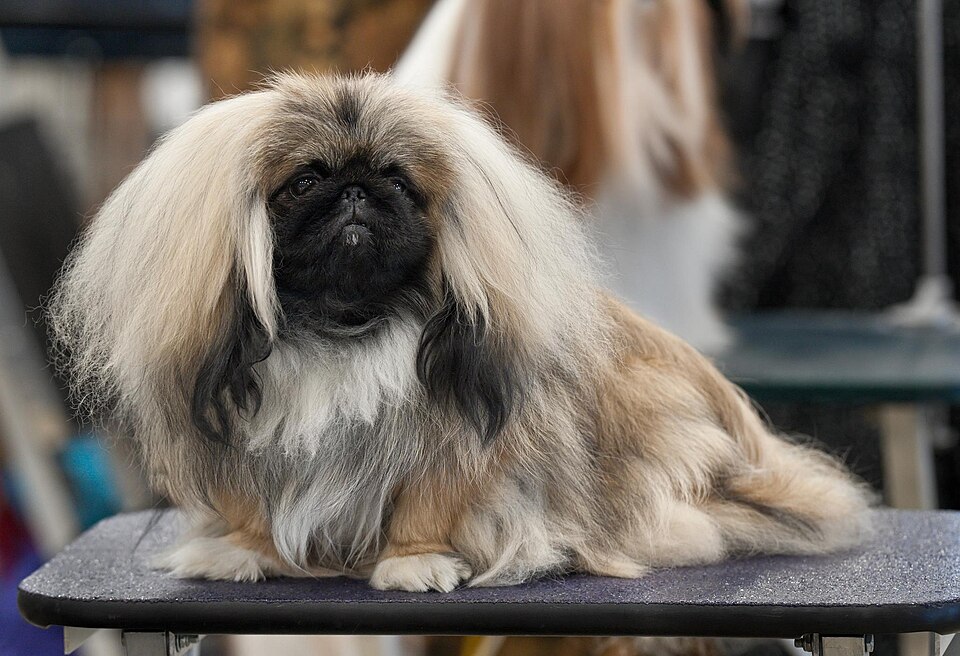
The Pekingese coat is, frankly, a feat of nature. It is dense, voluminous, and designed to make a 10-pound dog look like a small lion. But that majestic appearance comes with a maintenance reality that catches many first-time Peke owners off guard. If you understand how this coat actually works -- its structure, its growth cycles, and its quirks -- you will be a much better steward of it.
Pekingese Coat Structure: The Double Layer System
The Pekingese has a true double coat consisting of two distinct layers that serve different purposes.
The Undercoat
The undercoat is the dense, soft, insulating layer closest to the skin. It is the part you cannot see but definitely feel when you push your fingers through the fur. This layer is responsible for:
- Temperature regulation -- trapping warm air against the body in cold weather
- Protection -- creating a barrier against moisture, UV rays, and minor skin irritation
- Volume -- the undercoat is what makes the Peke look so much larger than it actually is
The Outer Coat (Guard Hair)
The outer coat consists of longer, coarser guard hairs that lie over the undercoat. These hairs are straighter and stiffer than the undercoat, and they provide:
- Weather resistance -- the outer coat repels water and blocks wind
- Structure -- it gives the coat its visible shape and flow
- Breed character -- the mane, feathering, and tail plume are all formed by the outer coat
Where the Coat Is Heaviest
Not all areas of your Peke carry the same coat density. Understanding the distribution helps you focus your grooming efforts.
The Mane
The neck and shoulder area carries the heaviest concentration of coat, forming the breed's signature lion mane. This area mats the fastest because the density traps debris and moisture, and the coat rubs against collars and harnesses.
The Ears
Pekingese ears carry long, heavy feathering that hangs down and tangles with the mane. The ears themselves are also prone to infections because the feathering blocks airflow to the ear canal.
The Skirt and Pants
The belly, flanks, and hindquarters carry substantial feathering (called the "skirt" on the sides and "pants" on the rear legs). The rear area is particularly maintenance-intensive because of proximity to the sanitary area.
The Tail
The tail curls over the back and carries a plume of long hair that fans over the body. When well-groomed, it is one of the breed's most striking features. When neglected, it mats into a solid mass against the back.
Paw Feathering
Heavy hair grows between and around the paw pads. This is both a grooming concern (collecting dirt and reducing traction) and a comfort concern (ice balls form in this hair during winter).
The Pekingese Shedding Cycle
Pekingese shed year-round at a moderate level, with two significant shedding events per year -- typically in spring and fall. During these seasonal blowouts, the undercoat loosens and comes out in clumps. This is normal and healthy, but it requires extra grooming attention to prevent the loose undercoat from matting with the remaining coat.
A surprising fact about Pekingese shedding: despite their thick appearance, Pekes actually produce less total shed hair by weight than many medium-sized breeds. The AKC classifies the Pekingese as a "moderate" shedder. However, because the shed hair tangles within the coat instead of falling freely, it creates more grooming work than breeds that shed an equivalent amount but release the hair cleanly.
Spayed and neutered Pekingese may shed more consistently throughout the year rather than in distinct seasonal cycles. Intact females often experience a heavy shed after each heat cycle.
Home Care Between Professional Grooming Sessions
Your groomer handles the deep maintenance, but what you do between visits determines the condition of the coat when your Peke arrives at the salon.
Daily Brushing Protocol
Daily brushing is not optional for a full-coat Pekingese. Here is an effective approach that takes about 15 minutes:
Tools you need:
- A quality slicker brush (medium firmness -- not too soft, not too harsh)
- A wide-tooth Greyhound comb (the gold standard for double coats)
- A detangling spray or light conditioning mist
If the comb moves through without catching, you are done. If it snags, go back with the brush.
Bathing at Home
You can bathe your Peke between professional sessions, but do it correctly or not at all:
- Always brush thoroughly before bathing -- water cements mats into the coat permanently
- Use lukewarm water -- Pekes overheat easily
- Double-shampoo -- the first wash removes surface dirt, the second actually cleans
- Condition the coat -- a lightweight conditioner prevents tangling during drying
- Dry completely -- this is the critical step; a damp undercoat develops mildew smell and mats within hours
- Use a blow dryer on cool or warm setting -- never hot
Facial Fold Maintenance
Clean the nose fold daily with a dry, soft cloth or unscented baby wipe. Make sure the fold is completely dry after cleaning. Moisture trapped in the fold leads to yeast infections that smell bad and irritate the skin.
Common Pekingese Coat Issues
Matting to the Skin
The most common and most serious coat issue. Pelted mats (mats that form a solid sheet against the skin) restrict blood flow, trap moisture, and can cause skin breakdown underneath. When a Peke arrives at the groomer pelted, the only humane option is usually a close shave-down. This is not the groomer's failure -- it is the result of insufficient home maintenance.
Color Changes
Pekingese coats frequently change color as the dog matures. Puppies may start dark and lighten, or start light and develop darker shading. Red Pekes often fade with sun exposure. Black Pekes may develop a reddish tint. These changes are normal and genetic -- not a sign of health problems.
Dry, Brittle Coat
If your Peke's coat feels dry and breaks easily, look at diet first. A high-quality food with omega-3 fatty acids (fish oil is excellent) makes a visible difference in coat texture within four to six weeks. Also check your home humidity -- dry air from heating systems is rough on double coats.
Coat Loss or Thinning
Patch coat loss, excessive thinning, or failure to regrow after clipping warrants a vet visit. Thyroid imbalance, Cushing's disease, and allergies can all manifest as coat problems in Pekingese.
Coat Development Timeline
Pekingese puppies look nothing like adult Pekes coat-wise. Here is the typical progression:
- 8-12 weeks: Short, fluffy puppy coat with minimal feathering
- 4-6 months: Coat begins to lengthen; ear and tail feathering starts
- 6-12 months: Adolescent coat transition -- often patchy and awkward
- 12-18 months: Adult coat texture develops; mane fills in
- 2-3 years: Full adult coat achieved -- maximum volume and feathering
PawOps tracks grooming history and coat condition scores across visits, giving salons the data they need to deliver consistent, breed-appropriate care for every Pekingese client.