Why Your Otterhound Needs Professional Grooming
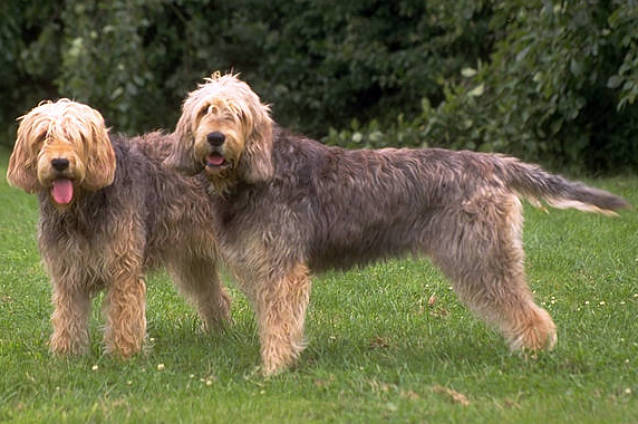
The Otterhound is one of the rarest dog breeds on Earth -- fewer than 1,000 exist worldwide. If you're lucky enough to share your life with one, you already know they're unlike any other dog. Their coat is no exception. Designed for hours of swimming in cold British rivers, the Otterhound's double coat is waterproof, oily, and magnificently functional -- and it requires professional attention that's as unique as the breed itself.
A Coat Built for Water
The Otterhound was developed to hunt otters in English rivers -- a job requiring extended periods of swimming in cold water. Their coat evolved accordingly:
- Outer coat: Long (3-6 inches), rough, and harsh. The signature "shaggy" look that makes Otterhounds unmistakable.
- Undercoat: Dense, woolly, and notably oily/water-resistant. This is the waterproofing layer.
- Natural oils: More sebaceous production than most breeds, creating a water-resistant barrier throughout the coat.
- Texture: Somewhere between crisp and slightly greasy to the touch -- this is correct and functional.
Why Professional Grooming Matters for Otterhounds
Otterhound grooming isn't about making them look pretty. It's about maintaining a complex coat system that balances several competing needs:
Preserving waterproofing while preventing mat formation: The oily undercoat that makes Otterhounds waterproof also makes their coat more prone to matting when neglected. Mats trap moisture against the skin -- the opposite of what the coat is designed to do.
Managing volume without removing function: An Otterhound in full coat is enormous. The temptation to thin aggressively removes the functional layers that protect the dog.
Handling the size factor: At 65-115 pounds and up to 27 inches tall, Otterhounds are large dogs with a LOT of coat. Proper grooming requires physical space, appropriate tools, and time.
Skin assessment under heavy coat: Health issues hide easily under 3-6 inches of shaggy coat. Professional hands-on assessment during grooming reveals what visual inspection can't.
The Matting Equation
Otterhounds mat. The combination of long outer coat, dense oily undercoat, and large body creates matting conditions:
- Oil + length + movement = friction-based tangling
- Dense undercoat traps dead hair that creates matting nuclei
- The oily texture makes mats harder to work out once formed
- Large ears (a defining breed feature) drape into everything and mat underneath
- Webbed feet collect debris between toes that contributes to leg matting
What Professional Grooming Provides
Thorough de-matting: Professional groomers have tools and technique to work through Otterhound mats without removing excessive coat. This is significantly harder than it sounds with their oily, dense coat.
Appropriate bathing: Otterhounds need bathing that cleans without stripping the natural oils that provide waterproofing. Professional groomers select products that maintain the coat's correct texture and moisture level.
Complete drying: Fully drying an Otterhound coat takes 45-60 minutes with professional equipment. Their dense, oily undercoat holds moisture deep inside. Incompletely dried Otterhound coats develop hot spots and mildew odor.
Ear management: Those large, pendulous ears need thorough professional attention -- cleaning, drying, hair management, and infection prevention.
Webbed foot care: Otterhound feet have webbing between the toes. Debris, mats, and moisture accumulate in these folds. Professional groomers clean, trim, and inspect these unique feet.
Hand-stripping or carding: Dead outer coat benefits from removal through stripping or carding to maintain correct texture and allow new growth.
The Ear Situation
Otterhound ears are long, pendulous, and covered in long hair. They fold over, creating a warm, moist environment. Combined with the breed's love of water and digging, ear infections are a significant health concern.
Professional ear care for Otterhounds:
- Removing excess hair from the ear canal
- Deep cleaning with appropriate solutions
- THOROUGH drying (the #1 prevention for infections)
- Checking for early signs of yeast or bacteria
- Trimming long hair near the ear opening for airflow
The Size and Time Factor
Grooming an Otterhound is a major undertaking:
- Sessions last 3-4 hours for a full groom
- The dog covers a large grooming surface area
- Dense coat requires working through layer by layer
- Drying alone takes 45-60+ minutes
- Patience is required -- Otterhounds are generally cooperative but not always enthusiastic about extended handling
Health Monitoring
Beneath all that shaggy coat, health issues can hide:
- Skin infections from trapped moisture
- Hot spots in mat-prone areas
- Lumps and growths invisible through dense coat
- Joint issues (Otterhounds are prone to hip dysplasia)
- Ear infections in early stages
- Bloat risk (deep-chested breed -- post-grooming monitoring important)
The Right Schedule
Otterhounds need professional grooming every 6-8 weeks:
- Full groom: Every 8-10 weeks (stripping, thorough bath, complete detail work)
- Maintenance visit: Every 4-5 weeks between full grooms (de-mat, ear check, nail trim)
- Nail trim: Every 3-4 weeks
- Ear check: Every visit -- non-negotiable for this breed
Finding an Otterhound Groomer
With fewer than 1,000 Otterhounds worldwide, finding a groomer who's worked with one is unlikely. Look for:
- Experience with large, rough-coated breeds (Irish Wolfhounds, Bearded Collies, Old English Sheepdogs)
- Willingness to learn about the breed's specific coat needs (show them the breed standard)
- Adequate facility for a 100+ pound long-coated dog
- Time allocation of 3+ hours
- Understanding that the coat should look shaggy and natural, not sculpted
---
Ready to streamline your grooming workflow? PawOps Board Manager helps salons track every Otterhound from check-in to pickup with real-time visibility. Start your free 30-day trial →