Understanding Your Old English Sheepdog's Coat: What Every Owner Should Know
Understanding Your Old English Sheepdog's Coat: What Every Owner Should Know
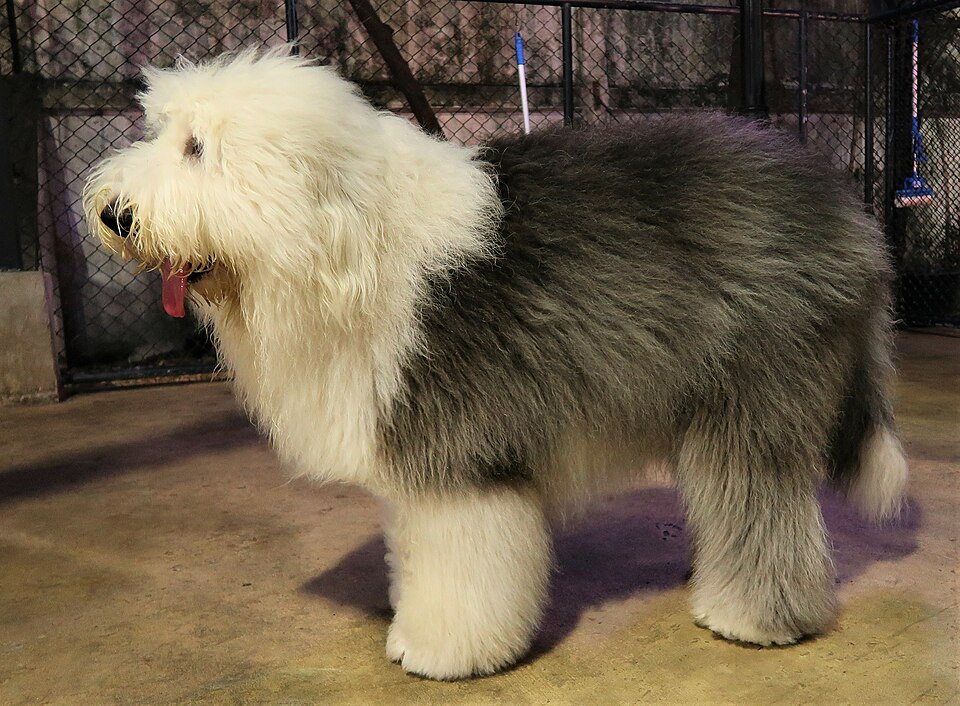
The Old English Sheepdog coat is a marvel of canine engineering -- and a genuine test of owner commitment. That shaggy, lovable exterior hides a sophisticated double-coat system that was designed for working in the wet, cold English countryside. Understanding how that coat actually works makes caring for it a whole lot more manageable.
For new OES owner bracing for the coat journey or a veteran looking to deepen your knowledge, this is everything you need to know.
The Double Coat Architecture
Your Old English Sheepdog has two distinct coat layers working together:
The outer coat is long, coarse, and shaggy. These are the guard hairs you see. They're designed to repel water and protect the dog from thorny vegetation, wind, and sun. The texture should feel slightly harsh to the touch -- not silky, not wiry, but somewhere in between with a slight wave. A properly textured outer coat separates naturally and allows airflow.
The undercoat is dense, soft, and sits close to the skin like a down jacket. This layer provides insulation -- warmth in cold weather and, counterintuitively, cooling in hot weather by creating a buffer between the sun-heated outer coat and the skin.
When both layers are clean, properly groomed, and free of mats, they work together as a climate control system. Air circulates between the layers, regulating temperature far better than exposed skin would.
When the coat mats, that system breaks down completely. Matted coat becomes a single, solid mass that traps heat, moisture, and debris against the skin. A matted OES coat is actually worse for the dog than being shaved -- it's a failure mode, not just a cosmetic issue.
The Color Story: Born Dark, Grown Light
OES puppies are born black and white (or very dark grey and white). It's one of the breed's most dramatic visual transformations: that adorable black-and-white puppy gradually lightens into the classic grey-and-white or blue-and-white adult.
The color change happens gradually over the first 2-3 years. Here's the typical progression:
- Birth to 6 months: Black and white, sharp contrast
- 6-12 months: Black begins fading to dark grey, especially on the body
- 1-2 years: Grey lightens further, may develop blue or silver tones
- 2-3 years: Adult color established -- ranging from pale silver to medium grey to blue-grey
- Senior years: May lighten further, some dogs becoming almost white on the body
Here's a surprising detail that even many breed enthusiasts don't know: the Old English Sheepdog's coat color was historically important for tax purposes. In 18th-century England, dogs used as working drovers were tax-exempt, and their tails were docked to prove their working status. The distinctive coat made them easily identifiable as working dogs rather than pets -- which is partially why the dramatic coloring was preserved through breeding.
The Coat Growth Cycle
Unlike breeds with distinct seasonal shedding cycles, the Old English Sheepdog coat grows continuously and sheds at a moderate, steady rate. The shed hair doesn't fall to the floor the way it does with a Labrador or German Shepherd. Instead, it gets trapped in the surrounding coat.
This is why daily brushing is essential. You're not just detangling -- you're removing the dead hair before it weaves itself into the live coat and forms mats.
The growth rate is substantial. An OES coat can grow approximately half an inch per month. Over a year, that's 6 inches of new growth. Without trimming, the coat eventually reaches the ground on a full-sized OES, which looks spectacular in a show ring but is impractical for a pet.
Most pet OES owners maintain the coat at 3-6 inches for full coats, or 1-2 inches for puppy cuts. Either way, the continuous growth means regular professional trimming is non-negotiable.
Understanding Coat Texture Variations
Not all OES coats are created equal. You'll encounter a range of textures:
Proper texture: Coarse, slightly wavy outer coat over dense undercoat. Separates naturally, allows airflow, repels some water. This is the breed standard and the easiest to maintain.
Cottony texture: Softer outer coat that blends with the undercoat. Very common in pet-quality dogs. This texture mats significantly faster because there's less natural separation between layers. If your OES has a cottony coat, you'll need to brush more frequently and groom more often.
Curly texture: Some OES develop a curlier coat, especially through the hindquarters. Curls trap debris and mat faster than wavy coat. Pay extra attention to curly areas during brushing.
Thin coat: Occasionally an OES will have a sparser coat than expected. While easier to maintain, a thin coat provides less protection from elements. If your OES's coat thins noticeably from its baseline, consult your vet -- it can indicate thyroid or nutritional issues.
Your groomer can identify your dog's coat type and adjust their approach and your home care recommendations accordingly.
The Puppy Coat vs. Adult Coat
OES puppies have a softer, less dense coat than adults. It's still a double coat, but the undercoat is finer and the guard hairs are shorter and softer. Most owners find the puppy coat easier to manage.
The transition to adult coat begins around 8-10 months and can take 6-12 months to complete. During this period, the incoming adult coat tangles with the outgoing puppy coat, creating a matting nightmare similar to what Wheaten Terrier owners experience.
During the coat transition:
- Increase brushing to twice daily if possible
- Schedule professional grooming every 3-4 weeks
- Focus on the hindquarters and behind the ears, where matting starts first
- Consider a transitional trim (not a full shave) to manage the change
Common OES Coat Problems
Matting
The number one issue by a wide margin. OES coats mat from the skin outward, which means surface brushing can miss developing mats close to the body. Use a comb after brushing to check your work -- if it doesn't pass smoothly from the skin to the tip, there's a mat hiding in there.Hot Spots
Moisture trapped under the dense coat creates ideal conditions for hot spots -- painful, inflamed skin patches that spread rapidly. Hot spots are more common in humid climates and during warmer months. Regular professional grooming with thorough drying is the best prevention.Coat Odor
A well-maintained OES coat shouldn't smell strongly. If yours does, it usually means moisture is trapped in the undercoat or there's a skin infection brewing underneath. Don't just mask the smell with sprays -- get the coat professionally dried and the skin inspected.Debris Collection
The shaggy coat is a magnet for sticks, leaves, burrs, and every other piece of outdoor debris. After outdoor play, do a quick once-over to remove anything caught in the coat before it works its way deeper and causes matting.Building Your OES Coat Care Routine
Daily (30-45 minutes for full coat, 10-15 for puppy cut):
- Line brush the entire body in sections, working from skin to tip
- Use a slicker brush for the body and legs
- Switch to a comb for face, ears, and paws
- Check friction areas for developing mats
- Remove any debris from outdoor time
- Deeper comb-through of the entire coat
- Check ears for dirt, odor, or redness
- Inspect skin under the coat (part the hair and look)
- Check paw pad hair and trim if overgrowing
- Full bath with proper drying
- Professional brush-out and dematting
- Trim to maintain shape and length
- Ear cleaning
- Nail trim
- Skin health check
The Honest Truth About OES Coat Commitment
Owning an Old English Sheepdog's coat is a lifestyle choice. Full coat maintenance means dedicating 30-45 minutes every single day to brushing, plus monthly professional grooming that runs $140+ per session.
Many wonderful, loving OES owners choose the puppy cut -- and there's absolutely nothing wrong with that. Your dog doesn't know or care what their coat length is. They care about being comfortable, healthy, and pain-free. A well-maintained puppy cut achieves all of those things with a fraction of the daily effort.
Whatever length you choose, understanding your OES's coat -- its structure, its growth patterns, its vulnerabilities -- makes you a better caretaker. And that shaggy, tail-wagging companion deserves your best.
---
Ready to streamline your grooming workflow? PawOps Board Manager helps salons track every Old English Sheepdog from check-in to pickup with real-time visibility. Start your free 30-day trial →