Understanding Your Norwich Terrier's Coat: What Every Owner Should Know
Understanding Your Norwich Terrier's Coat: What Every Owner Should Know
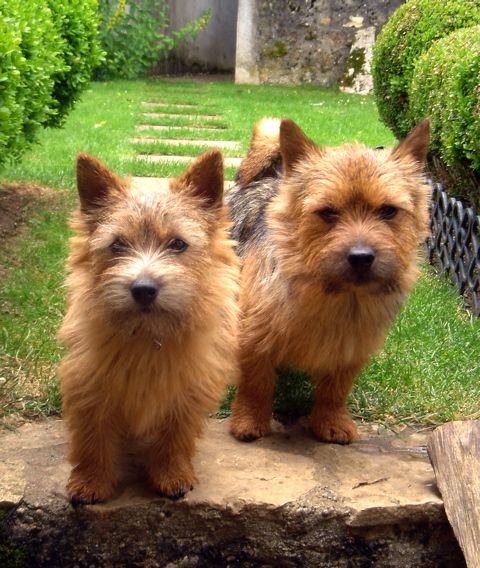
The Norwich Terrier coat is one of the breed's most distinctive features — and one of the most misunderstood. That rough, tousled look might seem low-maintenance, but the norwich terrier coat is actually a carefully engineered double coat system that requires specific care to function properly.
As a new Norwich owner or you've had one for years, understanding how this coat works will change how you care for it.
The Double Coat Structure
Norwich Terriers have a classic terrier double coat consisting of two distinct layers:
The outer coat is hard, wiry, and straight. It lies close to the body and serves as the first line of defense against weather, dirt, and minor scrapes. This is the coat that gives Norwich Terriers their characteristic rough, natural appearance. The hairs are coarse to the touch — that's by design.
The undercoat is soft, dense, and insulating. It sits beneath the outer coat and regulates body temperature. In cold weather, the undercoat thickens. In warm weather, it thins. This natural thermoregulation is one of the most important functions of the Norwich Terrier coat system.
When both layers are healthy and properly maintained, they work together to create a coat that repels water, sheds dirt naturally, and keeps the dog comfortable across seasons. Pretty impressive for a little dog that weighs about 12 pounds.
Coat Colors and How They Change
Norwich Terriers come in several color varieties:
- Red: Ranges from deep fox red to lighter wheaten tones
- Wheaten: A pale golden to warm tan
- Black and tan: Black body with tan markings on the face, chest, and legs
- Grizzle: A mix of red and black hairs creating a salt-and-pepper effect
The Norwich Terrier Club of America notes that coat color and texture are important breed characteristics, and proper grooming maintenance preserves both.
The Growth Cycle: What's Actually Happening
Unlike breeds with continuously growing hair (like Poodles), Norwich Terrier coat hair grows to a set length and then dies. The dead hair stays in the follicle until it's removed — either by stripping or by the dog rubbing against surfaces.
This growth cycle has three phases:
Hand-stripping removes telogen hairs, triggering new anagen growth. Clipping cuts the dead hair but leaves the root in place, which is why clipped coats grow back softer. Research from veterinary dermatology literature confirms that mechanical removal of dead coat (stripping) promotes healthier regrowth compared to cutting.
Seasonal Changes to Expect
Norwich Terriers experience two major coat transitions per year:
Spring coat blow: The thick winter undercoat sheds as temperatures rise. You'll notice more loose fur, a rougher appearance, and possibly some itching as the dead coat works its way out. This is prime time for a full hand-strip.
Fall thickening: The undercoat fills in as winter approaches. The coat feels denser and plushier. Less dramatic than the spring blow, but the outer coat may also need attention.
Between these seasonal shifts, the coat is relatively stable. Regular maintenance — weekly brushing and periodic rolling strips — keeps everything in balance.
Daily and Weekly Care
Here's what home coat care looks like for a Norwich Terrier:
Weekly (10-15 minutes):
- Brush the entire coat with a slicker brush, working in the direction of hair growth
- Follow with a greyhound comb to catch any tangles, especially behind the ears and in the leg furnishings
- Check for any mats forming in friction areas (under collar, armpits)
- Run a stripping knife or carding tool lightly through the coat to remove loose dead hair
- Clean ears with a veterinarian-approved ear cleaner
- Trim paw pad hair if it's getting long enough to collect debris
- Check overall coat condition. If the outer coat feels soft instead of wiry, it's getting close to needing professional attention.
- Trim nails if they're not wearing down naturally
Bathing: Less Is More
Norwich Terriers don't need frequent baths. The wiry outer coat naturally repels dirt — seriously, mud often dries and flakes right off. Over-bathing strips the coat's natural oils, softens the wire texture, and can lead to dry, itchy skin.
A bath every 4-6 weeks is plenty for most Norwich Terriers, and some can go longer if the coat is properly maintained through stripping. When you do bathe, use a shampoo formulated for wire-coated breeds. Skip the conditioner on the outer coat — it softens the hair, which is the opposite of what you want.
One exception: the beard and mustache area. Norwich Terriers collect food, water, and general grime in their facial furnishings. A quick wipe with a damp cloth after meals goes a long way.
Common Coat Problems and What They Mean
Keep an eye out for these warning signs:
- Soft, fluffy texture throughout: The coat has been clipped too many times or isn't being stripped. Consider transitioning back to hand-stripping.
- Excessive scratching without visible parasites: Could indicate undercoat buildup trapping heat and moisture. A professional strip often resolves this.
- Bald or thin patches: See your vet. Norwich Terriers can develop alopecia and other dermatological conditions.
- Dull, faded color: Usually means the dead coat hasn't been removed. A strip will bring back the vibrant tones.
- Persistent dandruff: May indicate dry skin from over-bathing or nutritional deficiency. Check diet and bathing frequency.
What Your Norwich Terrier's Coat Tells You
A healthy Norwich Terrier coat is a reliable indicator of overall health. Bright color, wiry texture, and a dense undercoat mean things are working as they should. Dullness, excessive softness, or patchy areas often signal that something needs attention — whether it's grooming, nutrition, or a vet visit.
Learn your dog's coat. Run your hands through it regularly. The more familiar you are with what "normal" feels like, the faster you'll catch when something changes.
Your Norwich Terrier's coat is a marvel of natural engineering. Understand it, maintain it properly, and it'll do exactly what generations of breeding designed it to do.
---
Ready to streamline your grooming workflow? PawOps Board Manager helps salons track every Norwich Terrier from check-in to pickup with real-time visibility. Start your free 30-day trial →
Related Reading: