Why Your Norwegian Elkhound Needs Professional Grooming (Yes, Even That Tough Viking Coat)
Why Your Norwegian Elkhound Needs Professional Grooming (Yes, Even That Tough Viking Coat)
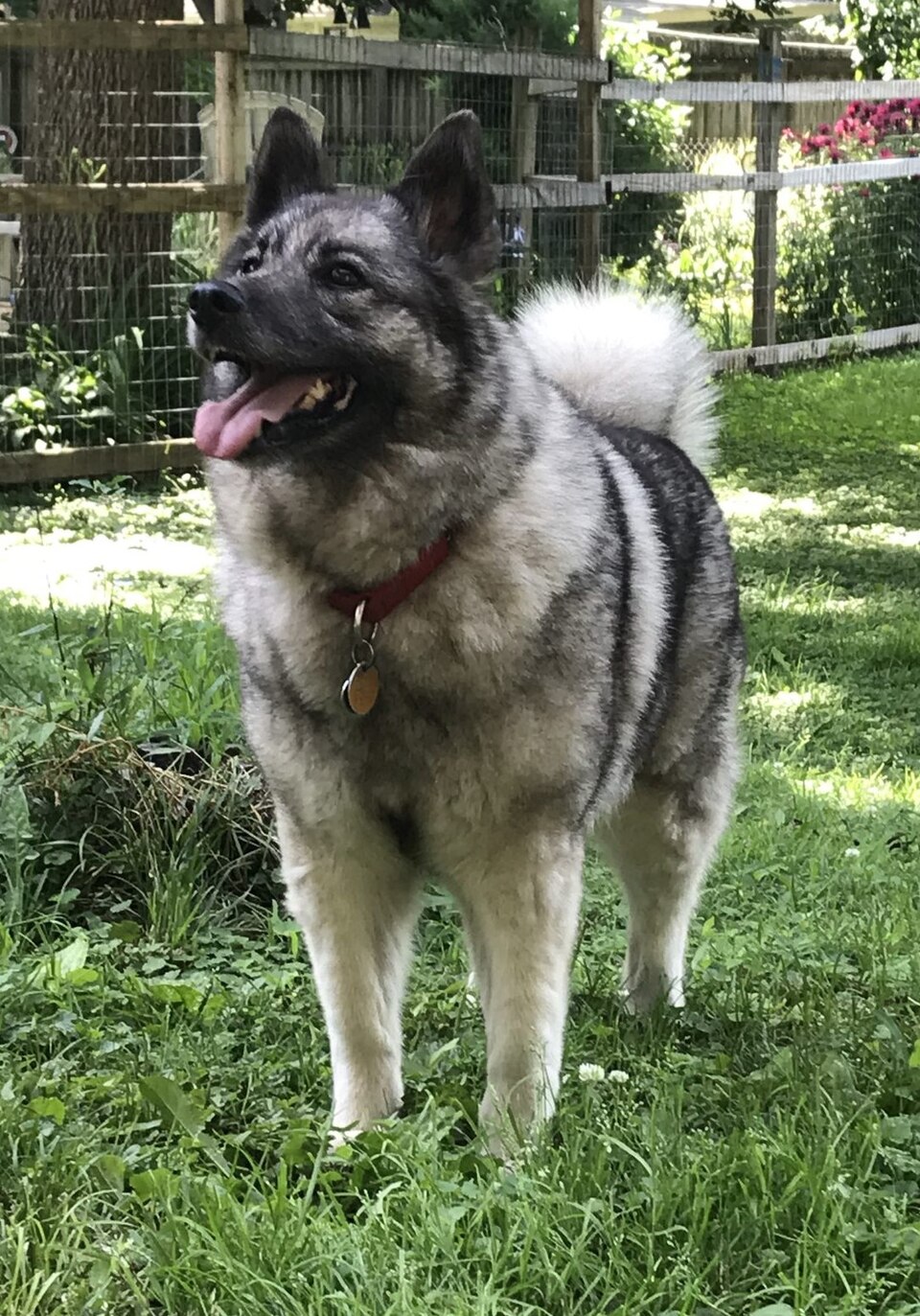
The Norwegian Elkhound is one of the oldest dog breeds on the planet. These sturdy, silver-gray spitz-type dogs tracked moose across Scandinavian wilderness for thousands of years. Their coat was literally engineered by nature to withstand Arctic temperatures, driving rain, and thick underbrush.
So why would a dog with a coat that tough need professional grooming?
Because surviving the Norwegian wilderness and thriving on your living room couch are two very different things. That incredible double coat does not maintain itself in a domestic setting, and the consequences of neglect show up faster than most owners expect.
The Elkhound Coat Is Built for Extremes
Norwegian Elkhounds carry one of the densest double coats in the dog world. The outer coat is coarse, straight, and weather-resistant. Underneath sits a woolly, soft undercoat so thick that you can lose your fingers in it. This combination kept Elkhounds warm at minus 30 degrees Fahrenheit and dry in Norwegian coastal storms.
The problem? Your house is not minus 30. Central heating, indoor humidity levels, and temperature-controlled environments confuse the natural shedding cycle. The undercoat still grows as though winter is coming, but it never faces the conditions that would naturally thin it out. Without intervention, dead undercoat packs against the skin, creating a dense mat that traps heat, moisture, and irritants.
According to the Norwegian Elkhound Association of America, the breed sheds its undercoat in dramatic seasonal blowouts twice per year, with moderate shedding year-round. Professional grooming during and between these blowouts is what keeps the coat functional.
What Professional Grooming Does for Your Elkhound
Undercoat Extraction
This is the single most important service for an Elkhound. A professional groomer uses high-velocity dryers to blast loose undercoat out of the coat in a way that home brushing simply cannot replicate. The volume of dead undercoat that comes off an Elkhound during a professional deshedding session is remarkable -- groomers regularly report filling entire garbage bags.
High-velocity drying reaches undercoat layers that a slicker brush or rake skims over. This deep extraction prevents the compacted undercoat that leads to skin problems.
Coat Assessment and Skin Checks
Elkhounds have such thick coats that skin issues can develop silently for weeks before an owner notices. Hot spots, fungal infections, and flea infestations all hide under that dense fur. Professional groomers part the coat systematically and check the skin during every session.
A 2024 survey by the National Dog Groomers Association of America found that groomers identify early-stage skin issues in approximately 15% of double-coated breed appointments -- problems the owners had not yet noticed.
Proper Bathing
Bathing an Elkhound at home is an exercise in frustration. The water-resistant outer coat repels water, and the dense undercoat takes forever to saturate. Most home baths leave soap residue trapped in the undercoat, which causes itching and flaking. Professional groomers use the right water pressure, diluted shampoo techniques, and thorough rinsing protocols to actually clean through both coat layers.
Nail and Paw Maintenance
Elkhounds are medium-sized dogs (48 to 55 pounds) with compact, oval feet designed for traction on rocky terrain. Overgrown nails change their gait and put stress on joints. Professional trimming keeps nails at proper length, and groomers trim the fur between paw pads that collects debris and causes slipping on hard floors.
What Happens When You Skip Professional Grooming
Elkhound owners who rely solely on home brushing typically encounter these problems:
- Coat compaction. Dead undercoat mats against the skin, forming a felt-like layer that prevents air circulation. This leads to overheating in warm weather and skin irritation year-round.
- Hot spots. Trapped moisture under compacted undercoat creates bacterial breeding grounds. Hot spots on Elkhounds often develop along the back and behind the ears.
- Odor. A packed undercoat traps oils and bacteria close to the skin. That distinctive "doggy smell" intensifies significantly when the undercoat is not properly maintained.
- Shedding chaos. Without professional undercoat removal, dead fur releases in clumps throughout the house rather than being removed in a controlled grooming session.
- Missed health signals. Lumps, rashes, parasites, and changes in skin condition go undetected under all that coat.
How Often Should an Elkhound See a Groomer
The typical Norwegian Elkhound benefits from professional grooming on this schedule:
| Season | Frequency | Focus | |--------|-----------|-------| | Spring (coat blow) | Every 3-4 weeks | Heavy deshedding, undercoat extraction | | Summer | Every 6-8 weeks | Maintenance, skin checks, cooling | | Fall (coat blow) | Every 3-4 weeks | Deshedding, winter coat preparation | | Winter | Every 6-8 weeks | Standard maintenance, paw care |
Between professional visits, brush your Elkhound three to four times per week with an undercoat rake and slicker brush. During blowout season, daily brushing is not overkill.
A Critical Note: Never Shave an Elkhound
This comes up every summer and it needs to be said clearly. Shaving a Norwegian Elkhound does not cool them down. The double coat provides insulation in both directions -- it keeps cold out in winter and heat out in summer. Shaving removes this insulation and exposes the skin to direct sun, increasing the risk of sunburn and heat stroke.
The AKC and breed clubs unanimously recommend against shaving double-coated breeds. A properly maintained coat with regular professional deshedding is the correct approach to warm-weather comfort.
Finding the Right Groomer
Not every groomer understands spitz breeds. Look for someone who:
- Has experience with double-coated breeds like Huskies, Samoyeds, or Malamutes
- Uses high-velocity drying as a core part of the deshedding process
- Will never suggest shaving your Elkhound
- Understands that Elkhounds should look natural -- no sculpted or styled cuts
- Takes time for thorough undercoat work rather than rushing through a bath-and-brush
The Cost of Prevention vs. Repair
Professional grooming for a Norwegian Elkhound runs $65 to $100 per session. Compare that with the cost of treating a hot spot ($150 to $300 per vet visit), managing a skin infection ($200 to $500), or dealing with chronic coat issues that require medicated treatments over multiple weeks.
Regular grooming is not an expense. It is the cheapest healthcare your Elkhound gets.
PawOps helps grooming salons assess double-coated breeds using coat density scoring and condition-based pricing -- so your Norwegian Elkhound gets the thorough undercoat work they need, every single visit. Use our free pricing calculator →
Related Reading: