Why Your Norfolk Terrier Needs Professional Grooming
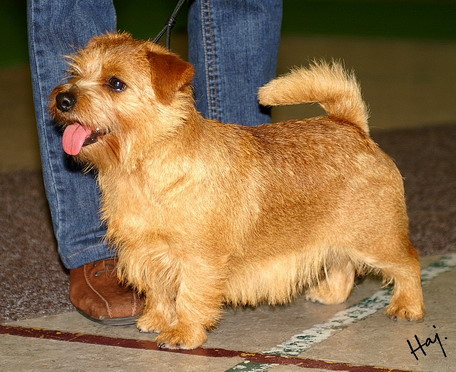
Norfolk Terriers pack a lot of personality into a small package -- and their grooming needs are equally outsized relative to their 11-12 inch frame. These compact terriers carry a hard, wiry coat with a definite undercoat that requires the kind of specialized maintenance you simply cannot replicate with a slicker brush and good intentions.
Small Dog, Big Coat Requirements
The Norfolk Terrier was bred to hunt vermin in barns and fields across East Anglia. Their coat reflects this purpose: harsh enough to protect against rat bites and thorny hedgerows, dense enough to keep them warm in damp English weather, and close-fitting enough to not snag on surfaces.
That functional coat doesn't maintain itself. Without professional intervention, it becomes soft, matted, and loses every property that makes it effective. The Norfolk Terrier Club reports that coat-related skin issues are the third most common reason for veterinary visits in the breed -- many of which proper grooming would prevent.
The Hand-Stripping Imperative
Norfolk Terriers absolutely need hand-stripping. Their wiry outer coat grows to a certain length, dies, and sits in the follicle waiting to be removed. If it isn't pulled, several things happen:
A professional terrier groomer strips the Norfolk coat in stages, maintaining coverage while removing dead growth. This skill takes years to develop and requires understanding of how the Norfolk's coat differs from larger terrier breeds.
Why Norfolks Are Different from Other Terriers
Groomers who work with various terrier breeds note that Norfolks present unique challenges:
Smaller surface area, denser coat: The coat-to-body ratio on a Norfolk is high. There's a lot of hair packed onto a small frame, making thorough work more time-intensive per square inch.
Sensitive skin: Norfolks tend toward more sensitive skin than some larger terriers. Professional groomers adjust their stripping tension and technique accordingly.
Heavy furnishings: The leg, chest, and facial furnishings on a Norfolk are substantial for their size. These areas need different treatment than the body coat -- combing, selective trimming, and gentle detangling rather than stripping.
Ear placement: Norfolk Terriers have dropped, forward-folding ears that trap moisture and debris. Professional cleaning technique is important to prevent infections.
The Health Monitoring Benefit
At 10-12 pounds, Norfolk Terriers are small enough that owners can miss physical changes that a professional groomer catches through systematic full-body handling:
- Lumps or skin changes hidden under dense coat
- Early dental issues (visible during face grooming)
- Weight changes (groomers feel body condition through the coat)
- Joint stiffness or sensitivity (noticed during positioning for grooming)
- Ear health issues (caught during thorough ear cleaning)
What Happens During a Norfolk Grooming Session
A thorough professional Norfolk Terrier grooming session includes:
Assessment (5-10 min): The groomer evaluates coat condition, identifies areas ready for stripping, checks skin health, and plans the session.
Body stripping (30-45 min): Dead coat is removed from the back, sides, and rear using finger-and-thumb technique or stripping knife. Only coat that's ready comes out.
Undercoat work (15-20 min): Dense undercoat is carded out using appropriate tools, maintaining enough for insulation without excess that causes overheating.
Furnishings (15-20 min): Leg hair, chest furnishings, and facial hair are combed, tidied, and shaped. These are typically trimmed, not stripped.
Detail work (20-30 min): Ears cleaned, nails trimmed, paw pads cleared, sanitary areas tidied, eyes checked, teeth assessed.
Finishing (10 min): Final brush-through, any missed areas addressed, overall balance assessed.
Total time: 90 minutes to 2 hours. That's a lot of skilled work on a small dog.
The Ear Situation
Norfolk Terrier ears deserve special mention. Their forward-folding drop ears create a warm, enclosed environment that bacteria and yeast love. Professional ear care for Norfolks includes:
- Removing excess hair from the ear canal opening
- Cleaning with breed-appropriate solutions
- Checking for signs of infection (redness, odor, discharge)
- Ensuring airflow to the ear canal is maximized
Home Maintenance Between Visits
Professional grooming every 8-10 weeks works best when supported by home care:
- Brush the body coat 2-3 times weekly with a slicker brush
- Comb leg furnishings and beard area to prevent matting
- Check ears weekly for odor or discharge
- Wipe face and beard after meals
- Remove debris from paw pads after outdoor play
Choosing Your Norfolk's Groomer
The Norfolk Terrier community is small and dedicated. Finding a groomer who knows the breed may require:
- Asking breeders for recommendations
- Contacting your local Norfolk Terrier Club
- Checking with terrier-specific grooming groups
- Asking potential groomers to describe their Norfolk experience
---
Ready to streamline your grooming workflow? PawOps Board Manager helps salons track every Norfolk Terrier from check-in to pickup with real-time visibility. Start your free 30-day trial →