Why Your Mudi Needs Professional Grooming
Why Your Mudi Needs Professional Grooming
The Mudi is one of the best-kept secrets in the dog world. Originally bred in Hungary as a versatile farm dog, this breed can herd sheep, hunt boar, and guard the homestead -- all before breakfast. They are whip-smart, athletic, and fiercely loyal.
They also have one of the most unusual coats in the herding group. And that coat? It needs professional attention.
A Coat Unlike Any Other Herding Breed
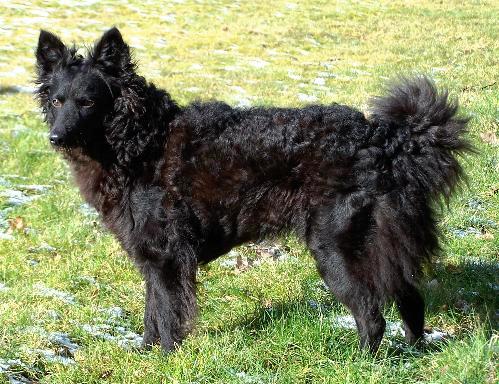
The Mudi carries a distinctive combination of coat textures on a single body. The face and front of the legs are covered in short, smooth hair. The rest of the body is covered in wavy to curly hair that ranges from 1 to 3 inches long, forming natural ridges and cowlicks. Some Mudis develop nearly corded sections on the back and sides.
This is not your typical double coat. The Mudi's body coat has a unique texture that falls somewhere between the smooth coat of a Border Collie and the cords of a Puli. That hybrid nature creates grooming challenges that most owners are not prepared for at home.
According to the Hungarian Kennel Club breed records, the Mudi's coat texture can vary significantly even within the same litter, making cookie-cutter grooming approaches ineffective.
Why Home Grooming Is Not Enough
Mudi owners often assume the breed is low maintenance because they are a working dog. And in some ways, they are simpler than a Poodle or Bichon. But the Mudi coat has specific needs that home grooming cannot fully address.
Texture Management: The wavy-to-curly body coat does not shed heavily, but it does accumulate dead hair that gets trapped in the curls. Without proper removal, this creates a dense, felted layer close to the skin that restricts airflow and traps moisture. Professional groomers use high-velocity dryers and specialized rakes to remove this dead coat without disturbing the natural curl pattern.
Transition Zone Care: Where the smooth face hair meets the curly body hair, there is a transition zone that tangles easily. This area around the cheeks, throat, and behind the ears is a matting hotspot. Professional groomers know how to work these zones without creating an unnatural look.
Skin Health Monitoring: The Mudi's dense body coat hides skin issues effectively. Professional groomers conduct a thorough hands-on inspection during every session, catching hot spots, ticks, and irritation that owners miss under all those curls.
Correct Trimming: The Mudi should look natural -- never sculpted or over-trimmed. This requires a groomer who understands that tidying the feet, hocks, and sanitary areas is necessary while the body coat should be left to express its natural wave. Incorrect trimming can change the coat texture permanently.
What a Professional Grooming Session Includes
A proper Mudi grooming session addresses every aspect of their unique coat:
Thorough Bathing: Using a shampoo designed for textured coats that cleans without stripping the natural oils that maintain curl structure. Over-washing or using the wrong products flattens the coat.
High-Velocity Drying: This is critical for the Mudi. Air drying allows the undercoat to stay damp against the skin, which leads to mildew-like odor and skin issues. High-velocity drying lifts the curls, separates dead coat, and reveals the natural wave pattern.
Dead Coat Removal: Using a combination of combing and carding techniques to pull out trapped dead hair without disrupting the living curl structure. This is where professional skill makes the biggest difference.
Ear Cleaning: The Mudi has erect, pointed ears covered in hair tufts. While better ventilated than pendant ears, they still need regular cleaning and tuft management.
Nail and Pad Care: Working dogs need strong, short nails and clear pads. Hair between the pads gets trimmed for traction and cleanliness.
Minimal Trimming: Just the feet, hocks, sanitary area, and any stray hairs that disrupt the breed's clean outline. The natural coat is the goal.
The Consequences of Neglect
A Mudi that skips professional grooming develops problems that escalate quickly:
- The curly coat felts against the skin, creating a solid mat layer that is painful to remove and often requires shaving
- Trapped moisture under the felted coat leads to fungal and bacterial skin infections
- Without dead coat removal, the dog overheats in warm weather because the packed coat cannot regulate temperature
- Unmanaged paw pad hair causes slipping on smooth surfaces, risking joint injury in this athletic breed
How Often Should Your Mudi Be Groomed?
Most Mudis thrive on an 8-10 week professional grooming cycle. The coat does not grow as fast as a Poodle's, but the dead coat accumulation demands regular professional removal.
Between visits, owners should brush the body coat once or twice a week with a pin brush, paying attention to the transition zones at the face and neck. Check ears weekly and keep paw pads clear of excess hair.
During seasonal transitions -- especially spring when any remaining undercoat loosens -- an extra professional session may be worthwhile to prevent matting.
Finding a Groomer for a Rare Breed
With only about 450 Mudis registered in the United States according to recent AKC data, most groomers have never seen one. When seeking a groomer:
- Look for experience with curly or wavy-coated breeds (Lagotto Romagnolo, Spanish Water Dog, Portuguese Water Dog)
- Share breed standard photos showing the correct natural look
- Emphasize that the coat should not be scissored into shape or shaved
- Ask how they handle mixed-texture coats (smooth face, curly body)
Your Mudi Is Exceptional -- Groom Them That Way
You chose one of the rarest, most capable breeds on the planet. A dog that can herd, hunt, compete in agility, and still curl up on the couch with you at night. That versatile coat is part of what makes the Mudi special. Professional grooming keeps it functional, healthy, and beautiful -- matching the extraordinary dog underneath.
---
Ready to streamline your grooming workflow? PawOps Board Manager helps salons track every Mudi from check-in to pickup with real-time visibility. Start your free 30-day trial →
Related Reading: