Understanding Your Leonberger's Coat: What Every Owner Should Know
Understanding Your Leonberger's Coat: What Every Owner Should Know
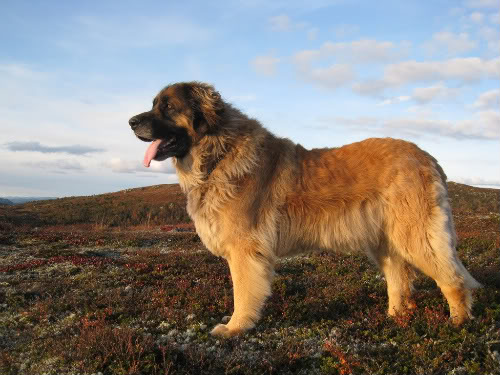
The Leonberger's coat is a masterpiece of function disguised as beauty. That flowing mane, the waterproof double layer, the feathered legs and plume tail -- none of it is accidental. Every element was bred into the dog for a specific purpose, and understanding those purposes is the key to maintaining the coat properly.
If you own a Leo, you already know the shedding is real. But there is more to this coat than the fur on your couch.
The Leonberger Coat Architecture
Leonbergers carry a medium to long double coat with three distinct components that work as a system.
The Outer Coat
The topcoat is medium to long, flat-lying to slightly wavy, and coarser than the undercoat. It is moderately water-resistant -- not fully waterproof like a Newfoundland's, but enough to shed rain and resist saturation during water work. The outer coat lies close enough to the body to provide streamlining but has enough length to protect against brush, thorns, and rough terrain.
Leonberger outer coat color ranges from lion-yellow to reddish-brown to sandy, always with a distinctive black mask. The breed standard allows considerable color variation, and coat color can deepen or lighten with age and seasonal changes.
The Undercoat
Beneath the topcoat sits a dense, soft undercoat that serves as primary insulation. This is the layer responsible for most of the shedding, and it is substantial. The undercoat is thickest across the chest, shoulders, and hindquarters and slightly lighter on the belly.
The undercoat operates on a continuous growth-and-shed cycle with two major turnover events annually. During these blowouts, the entire undercoat loosens and is replaced. A Leonberger in full blowout can produce enough loose undercoat in a single brushing session to stuff a pillow.
Importantly, the undercoat serves a thermoregulation function that works in both directions. In winter, it traps warm air against the body. In summer, the undercoat (when properly maintained and not packed with dead fur) creates an insulating air layer that actually helps moderate heat absorption. This is why shaving a Leonberger is counterproductive -- removing the undercoat eliminates the cooling mechanism.
The Mane and Feathering
The most visually striking element of the Leonberger coat is the mane. Males develop a pronounced ruff around the neck and chest that begins to fill in around 18 months and reaches full expression by three to four years of age. Female Leos develop a mane as well, though it is typically less dramatic.
Feathering appears on:
- Backs of the front legs: Medium-length, fine fur
- Thighs and backs of rear legs: Often the longest feathering on the body
- Tail: A full plume that can be impressively long
- Chest: Blending into the mane
- Behind the ears: Soft, mat-prone feathering
The Leonberger Shedding Calendar
Leonberger shedding follows a predictable pattern that every owner needs to understand and plan around.
| Period | Shedding Level | What Happens | |--------|---------------|-------------| | Late February - April | Extreme | Winter undercoat blows out in massive quantities | | May - July | Moderate to heavy | Ongoing shedding as summer coat settles | | August - October | Heavy to extreme | Summer coat sheds, dense winter undercoat grows in | | November - January | Moderate | Winter coat in place, steady background shedding |
A study in the Journal of Veterinary Dermatology found that double-coated breeds shed roughly 60% of their undercoat volume during seasonal transitions, with the process lasting three to six weeks. For a Leonberger, that 60% represents a remarkable volume of fur given the breed's size.
Photoperiod (day length) is the primary trigger for coat cycling, not temperature. This means a Leonberger living in a consistently warm climate still blows coat seasonally in response to changing daylight hours. Indoor lighting can disrupt normal cycling, sometimes causing more steady year-round shedding rather than distinct seasonal events.
Coat Development by Age
Leonberger coats change significantly as the dog matures:
- Puppy coat (0-6 months): Soft, relatively short, minimal undercoat. Easy to manage.
- Adolescent transition (6-18 months): The puppy coat sheds and the adult double coat begins growing in. This is often the most awkward grooming phase -- the coat is patchy, uneven, and mats easily in transitional areas.
- Young adult (18 months - 3 years): Adult coat is mostly in but still filling out. The mane begins developing in males.
- Full maturity (3-5 years): Peak coat. Full mane, maximum density, maximum shedding. This is when grooming requirements reach their highest level.
- Senior (7+ years): Coat may thin slightly. Texture can become drier and more brittle. Senior Leos may need moisturizing treatments.
Common Coat Issues in Leonbergers
Matting Hot Zones
Certain areas mat predictably and should be checked every time you brush:
- Behind the ears: The soft feathering tangles against the ear leather
- Where the collar sits: Friction plus moisture from drool creates mat-friendly conditions
- Armpits: Both front and rear -- where legs meet the body
- Groin area: Fine hair, friction, warmth
- Between the toes: Fur grows between paw pads and mats with moisture and debris
- Base of the tail: Where the plume meets the body
Hot Spots
Leonbergers are susceptible to hot spots (acute moist dermatitis), especially in warm or humid climates. The dense undercoat traps moisture against the skin, and a mat or area of packed dead undercoat creates the perfect incubation environment. Hot spots can appear suddenly and expand rapidly -- a small irritated patch can become a palm-sized oozing lesion within 24 hours.
Prevention comes from keeping the undercoat properly maintained and ensuring the skin can breathe. Professional deshedding is the most effective preventive measure.
Water Coat Issues
Leonbergers love water. Many owners find their Leo drawn to ponds, pools, creeks, and mud puddles. The coat's partial water resistance means the outer coat dries reasonably quickly, but the dense undercoat retains moisture for hours. If the undercoat stays damp regularly, fungal and bacterial skin conditions can develop.
After swimming, use a high-velocity dryer or ensure thorough air drying. Pay particular attention to the chest, belly, and ear area.
Your Home Maintenance Toolkit
Every Leonberger owner needs these tools:
- Pin brush: For daily topcoat maintenance without pulling undercoat
- Slicker brush: For working through the mane and feathering
- Undercoat rake: Essential during shedding season -- the most important tool you own
- Steel comb: For checking mat-prone areas after brushing
- High-velocity dryer: A significant investment ($80-$200) but transforms home coat maintenance
- Detangling spray: Reduces breakage and makes brushing more comfortable for the dog
- Ear cleaning solution: For weekly ear maintenance
A Practical Brushing Routine
Three to four times per week (20-30 minutes each):
Weekly:
- Clean ears with veterinary-approved solution
- Check paw pads and trim interdigital fur if needed
When the Coat Tells You Something Is Wrong
Your Leonberger's coat is a health barometer. Pay attention to changes:
- Sudden excessive shedding outside normal cycles may indicate thyroid dysfunction -- hypothyroidism is known to occur in the breed
- Dull, dry coat that loses its healthy sheen often signals nutritional deficiency or internal health issues
- Symmetrical hair loss on both sides of the body suggests hormonal imbalance
- Persistent dandruff that does not respond to moisturizing may indicate sebaceous adenitis
- Coat thinning in a mature adult can be an early sign of several health conditions
The Coat You Signed Up For
Leonberger owners chose a breed with one of the most demanding coats in the dog world. That coat is part of what makes the breed magnificent. The flowing mane, the warm plush undercoat, the feathered elegance -- it all comes with a maintenance commitment.
The good news is that a well-maintained Leonberger coat is genuinely stunning. When the undercoat is properly managed, the outer coat lies flat and gleams. The mane frames the face like the breed's lion namesake. The feathering flows. It is the kind of coat that makes strangers stop and stare.
Getting there takes consistent home care and regular professional grooming. But the result is worth every brush stroke.
PawOps helps grooming salons assess giant breed coats using condition scoring and coat type analysis, ensuring your Leonberger gets a grooming plan built for their specific coat condition -- not a one-size-fits-all approach.
Related Reading: