Understanding Your Labrador Retriever's Coat: What Every Owner Should Know
Understanding Your Labrador Retriever's Coat: What Every Owner Should Know
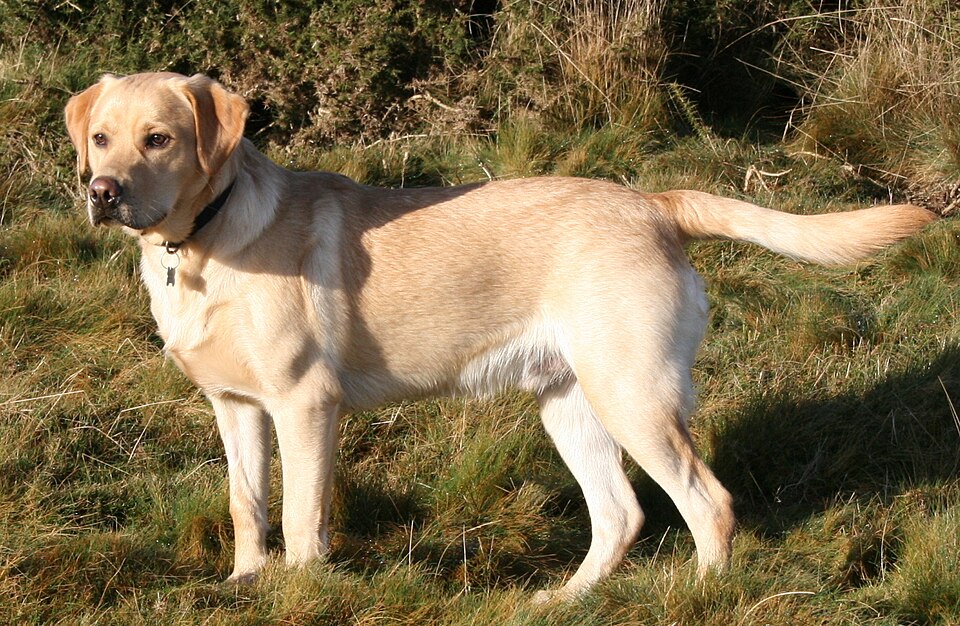
The labrador retriever coat looks simple — short, sleek, and straightforward. But beneath that smooth surface is one of the most sophisticated coat systems in the canine world. Originally engineered by nature and breeding for cold-water retrieving, this coat does more than most owners realize. Understanding it changes how you care for it.
The Two-Layer System
Lab coats have two distinct layers with two different jobs:
The Outer Coat (Guard Hairs)
The outer coat consists of short, straight, dense guard hairs that are coarser than the undercoat. These hairs are oily — naturally coated with sebaceous gland secretions that make them water-repellent.
This is why Labs shake off water so effectively. The guard hairs shed water before it reaches the undercoat. Watch a Lab emerge from a lake, shake twice, and be nearly dry. That's the outer coat doing its job.
The Undercoat
Beneath the guard hairs sits a soft, dense, downy undercoat. This layer is pure insulation — trapping body heat in cold conditions and providing a buffer against heat in warm weather.
The undercoat is also where shedding originates. Guard hairs have a longer growth cycle and shed less noticeably. The undercoat replaces itself continuously, producing the constant hair that Lab owners find on every surface in their home.
A surprising fact: a healthy Labrador's coat contains natural oils that give it a slightly waxy feel. This isn't dirt — it's the water-repellent system working correctly. Over-bathing strips these oils and actually degrades the coat's functionality.
The Shedding Calendar
Lab shedding follows a pattern, though indoor living and climate control have blurred the edges:
January-February: Moderate shedding. The winter coat is at peak density.
March-May (Spring blow): Heavy shedding. The thick winter undercoat releases as daylight hours increase. This is triggered by photoperiod — day length — not temperature.
June-August: Moderate shedding. The lighter summer undercoat is in place.
September-November (Fall blow): Moderate-to-heavy shedding. The summer undercoat is replaced by the thicker winter version.
December: Moderate shedding. The winter coat is filling in.
Indoor Labs in climate-controlled homes often shed more consistently year-round because artificial lighting disrupts the natural photoperiod signal. This is normal but means there's no true "break" from shedding.
Color-Specific Coat Facts
Labs come in three recognized colors: black, yellow (ranging from cream to fox red), and chocolate. The coat behaves the same regardless of color, but there are nuances:
Black Labs: Hair is most visible on light-colored clothing and furniture. The dark pigment makes the coat look glossier.
Yellow Labs: Hair shows on dark surfaces. The lighter coat tends to show dirt and staining more readily.
Chocolate Labs: Some studies suggest chocolate Labs may be prone to more skin and ear issues than other colors. A 2018 study published in Canine Genetics and Epidemiology found that chocolate Labs had a significantly higher incidence of ear infections and skin conditions than black or yellow Labs. Whether this is coat-related or genetic is still debated.
Brushing Your Lab Correctly
Most Lab owners own a brush. Fewer use the right one — or use it correctly.
The Right Tools
- Rubber curry brush: Perfect for loosening dead undercoat during regular brushing sessions. Use in circular motions before switching to a removal tool.
- Undercoat rake: Reaches through the guard hairs to remove loose undercoat. This is your primary deshedding tool.
- Bristle brush: Finishes the coat, distributing natural oils and smoothing guard hairs.
- Shedding blade: Useful during heavy coat blows for removing large volumes of loose hair quickly.
The Wrong Tool
Furminator-type tools: Use with extreme caution. These tools can cut guard hairs if used too aggressively, thinning the protective outer coat. Short, gentle strokes in the direction of hair growth only. Many professional groomers prefer the undercoat rake for Labs because it's gentler on the coat.
Brushing Frequency
- Normal shedding periods: 2-3 times per week
- Coat blow periods: Daily
- After swimming or baths: Brush after drying to remove loosened undercoat
What Your Groomer Should Know
When you bring your Lab to a professional groomer, communicate:
A good groomer will assess the undercoat density, check for skin issues, and recommend a deshedding approach tailored to your dog's current coat condition.
Between-Visit Care
Bathing: Every 4-6 weeks maximum. Over-bathing strips the natural oils that make the coat functional. Use a mild, pH-balanced dog shampoo.
After swimming: Rinse with fresh water to remove chlorine, salt, or lake contaminants. The coat is water-repellent, but chemicals can accumulate.
Ear checks: Weekly minimum. Look inside the ear flap for redness, discharge, or odor. Labs' floppy ears are infection incubators.
Hot spot watch: Any red, moist, irritated patch of skin is a hot spot. They can appear overnight and worsen rapidly. Early detection — often during brushing — allows faster treatment.
When the Coat Tells You Something
Your Lab's coat is a health barometer:
- Dull, dry coat: May indicate nutritional deficiency, dehydration, or thyroid issues
- Excessive oiliness: Could signal seborrhea or other skin conditions
- Patchy hair loss: Possible allergies, fungal infections, or hormonal imbalances
- Change in coat density: Thyroid conditions directly affect coat growth and density in Labs
- Persistent dandruff: May indicate dry skin, parasites, or fungal infection
---
Ready to streamline your grooming workflow? PawOps Board Manager helps salons track every Labrador Retriever from check-in to pickup with real-time visibility. Start your free 30-day trial →
Related Reading: