Why Your Kuvasz Needs Professional Grooming (That White Coat Is High-Maintenance Royalty)
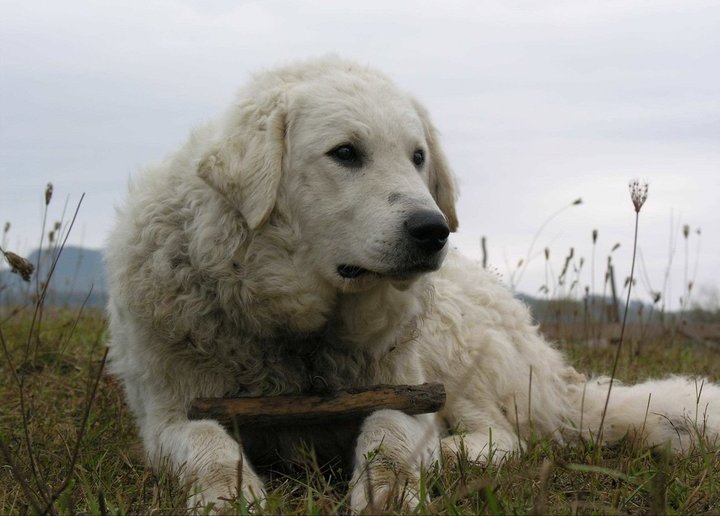
Why Your Kuvasz Needs Professional Grooming (That White Coat Is High-Maintenance Royalty)
The Kuvasz is a majestic Hungarian livestock guardian with a coat to match its royal history -- this breed once guarded the courts of King Matthias I of Hungary in the 15th century. That thick, white, wavy double coat is stunning on a hillside or in a show ring. It is considerably less stunning matted to the skin, yellowed with dirt, and packed with dead undercoat.
Let us be clear: the Kuvasz is not a low-maintenance breed in any category, and grooming is no exception. This is a giant breed (70-115 pounds) with a heavy, shedding double coat that demands regular professional attention.
The Kuvasz Coat: White, Wavy, and Relentless
The Kuvasz has a thick double coat consisting of:
- Outer coat: Medium to long length, ranging from straight to quite wavy depending on the individual. The texture is somewhat coarse and provides natural weather resistance. The coat is shortest on the head and feet, longest on the mane, tail, and rear legs (breeching).
- Undercoat: Dense, soft, and substantial. The undercoat provides insulation and accounts for the bulk of the shedding.
Why Professional Grooming Is Essential
Mat Prevention Is a Full-Time Job
The Kuvasz's wavy outer coat combined with its dense undercoat creates aggressive matting conditions. The most problematic areas:
- Behind the ears (dense, fine hair plus friction)
- Under the chest and mane (long hair plus movement)
- In the armpits (moisture plus friction)
- On the breeching (long hair plus debris collection)
- Around the collar area (constant friction)
According to grooming industry data, large white-coated guardian breeds arrive with matting at approximately 55% of grooming appointments -- largely because the sheer volume of coat overwhelms home brushing efforts.
The Shedding Is Real
Kuvasz dogs shed year-round with two dramatic coat blows in spring and fall. During a coat blow, the undercoat comes out in handfuls, clumps, and floating clouds of white fur. A single deshedding session can fill multiple grocery bags with dead undercoat.
Professional deshedding with high-velocity dryers removes dead undercoat from the root that brushing alone misses. The difference is dramatic -- a properly deshed Kuvasz sheds noticeably less for two to three weeks after a professional session.
White Coat Requires Specific Care
White coats stain. Tear staining around the eyes, urine staining on the belly and legs, and environmental yellowing from outdoor living are constant challenges. Professional groomers use whitening shampoos, stain-removal techniques, and targeted treatments that maintain the bright white appearance.
Giant Breed = Giant Grooming Job
A Kuvasz is a big dog with a lot of coat. The sheer surface area means more time, more product, and more effort at every grooming session. Bathing, drying, and brushing a 100-pound dog with a heavy double coat is a significant physical effort that many owners cannot manage effectively at home, particularly as the dog ages and may become less cooperative on a home grooming setup.
Professional groomers have elevated tables, restraint systems, high-capacity dryers, and tubs designed for giant breeds. This equipment makes thorough grooming physically possible in a way that a bathtub and a household dryer cannot.
Skin Health Monitoring
The thick white coat hides everything. Hot spots, allergic reactions, fungal infections, and parasites are invisible until someone parts the coat and looks. Professional groomers do this systematically at every session. In a breed prone to skin sensitivities, this regular assessment catches issues early.
What Happens Without Professional Grooming
- Progressive matting. The Kuvasz coat mats relentlessly. Without professional intervention, mats expand, tighten, and eventually pelt against the skin. A severely matted Kuvasz is in significant discomfort.
- Skin disease. Under mats, the skin cannot breathe. Moisture gets trapped. Bacteria thrive. A veterinary dermatology study found that heavily coated white breeds with irregular grooming showed 45% higher rates of pyoderma (bacterial skin infection) than well-groomed individuals.
- Coat deterioration. A neglected Kuvasz coat loses its white brilliance, develops odor, and becomes a maintenance nightmare that eventually requires full shaving.
- Joint stress. A dirty, matted Kuvasz coat holds water weight after rain or swimming. Adding even a few pounds of water weight to a giant breed's already-stressed joints is a problem.
How Often Does a Kuvasz Need Professional Grooming
| Season | Frequency | Focus | |--------|-----------|-------| | Spring (coat blow) | Every 3-4 weeks | Intensive deshedding | | Summer | Every 5-6 weeks | Full groom, whitening, coat health | | Fall (coat blow) | Every 3-4 weeks | Intensive deshedding | | Winter | Every 5-6 weeks | Mat prevention, full coat maintenance |
Year-round average: every 4-5 weeks. This is more frequent than many owners expect for a breed that is not getting haircuts, but the coat volume and matting tendency demand it.
Choosing a Groomer for Your Kuvasz
You need a groomer who:
- Has equipment for giant breeds -- a large tub, a sturdy elevated table, and high-capacity dryers
- Understands double coats and will never suggest shaving your Kuvasz
- Has white coat experience -- whitening techniques and stain management
- Is comfortable with guardian breeds -- Kuvasz can be independent and reserved with strangers; a groomer who understands guardian breed temperament makes the experience safer
- Prices by time and condition rather than flat breed rate
PawOps helps grooming salons price giant guardian breeds like the Kuvasz based on coat condition, matting level, and time required -- so every groom is compensated fairly and owners understand what their dog's coat truly demands.