Understanding Your Keeshond's Coat: What Every Owner Should Know
Understanding Your Keeshond's Coat: What Every Owner Should Know
If you've ever run your hands through a Keeshond's coat and thought "there's no way this much fur fits on one dog," you're not alone. The Keeshond coat is something of an engineering marvel -- layers upon layers of insulation packed onto a medium-sized frame, topped with one of the most distinctive color patterns in the dog world.
Understanding how the Keeshond coat works changes how you care for it. Let's get into the details.
The Keeshond Coat Structure: Two Coats in One
Every Keeshond wears a double coat, meaning there are two distinct layers of fur growing simultaneously from the same skin. Each layer has a different structure, texture, and purpose.
The Outer Coat (Guard Hairs)
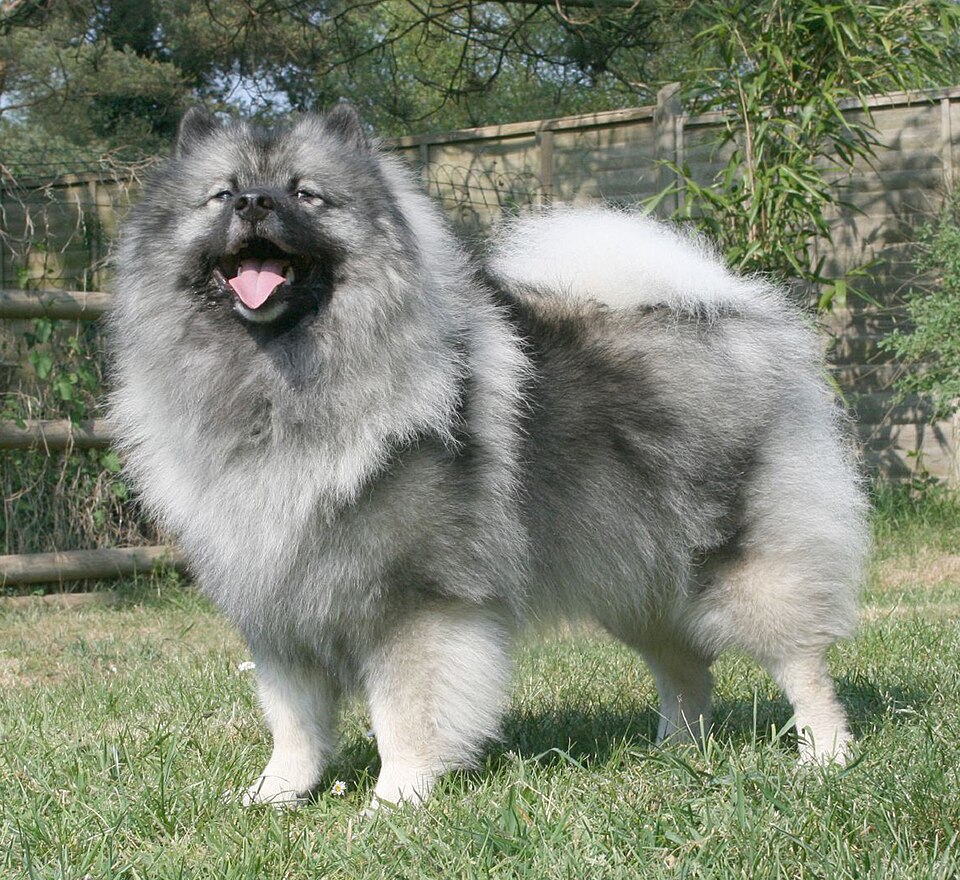
The outer layer consists of long, straight, harsh-textured guard hairs. On a Keeshond in full coat, these hairs stand away from the body rather than lying flat -- this is called a "stand-off" coat, and it gives the breed that distinctive puffy, lion-like silhouette.
The guard hairs serve multiple functions:
- Weather protection. They repel rain, snow, and wind.
- UV shield. They block harmful sun exposure on the skin beneath.
- Physical barrier. They protect against brush, debris, and insects.
- Color display. The dramatic silver, black, and cream banding pattern (called "agouti") lives on the guard hairs.
The Undercoat
Beneath the guard hairs sits a thick, soft, woolly undercoat. This is the insulation layer -- the part responsible for temperature regulation, the part that makes the Keeshond feel like you're petting a stuffed animal, and the part responsible for approximately 90% of the shedding that decorates your home.
The undercoat is pale -- typically light gray or cream -- which is why a Keeshond's appearance can seem to shift depending on how the coat is lying. When the guard hairs part and the undercoat shows through, the dog appears lighter. When the guard hairs are smoothly aligned, the darker outer coat dominates.
A surprising fact about the Keeshond coat: the undercoat is so dense that it can actually support standing water on the surface without getting wet to the skin. If you pour a small amount of water on a Keeshond in full coat, it will bead and sit on top of the undercoat like water on a duck's back. This water resistance was essential for a breed that lived on Dutch river barges in damp conditions.
The Keeshond Coat Color Pattern
The Keeshond's coloring is one of the breed's most recognizable features, and it's worth understanding because color affects grooming decisions.
Agouti Banding
Each individual guard hair on a Keeshond is banded with multiple colors -- typically a mix of gray, black, and cream. This banding pattern, called agouti, creates the overall silver-gray appearance. No two Keeshonden have exactly identical banding patterns, which is why some appear darker or lighter than others.
The Spectacles
The dark markings around the eyes -- the "spectacles" -- are the breed's signature facial feature. These are created by specific hair color patterns and growth directions around the eyes. A line of dark fur extends from the outer corner of each eye toward the ear, while the area immediately around the eye is lighter, creating the illusion of eyeglass frames.
Groomers experienced with Keeshonden know to be careful around the face to preserve the spectacle markings. Overzealous trimming around the eyes can disrupt the pattern.
The Mane and Ruff
Males especially develop a pronounced mane and ruff around the neck and shoulders. This longer coat creates a lion-like appearance and is one of the most dramatic features of the breed. The ruff tends to be lighter in color than the body coat.
Trousers and Plume
The rear legs carry thick feathering (called "trousers" or "pants"), and the tail carries a plume of long fur that curls over the back. Both are areas that mat easily and require consistent attention.
The Keeshond Coat Shedding Cycle
Year-Round Shedding
Keeshonden shed moderately throughout the year. Dead undercoat hairs naturally work their way out of the coat and end up on your clothes, furniture, and in that mysterious spot behind the couch that apparently collects dog hair from across dimensions. Regular brushing two to three times per week manages this baseline shedding.
The Coat Blow
The dramatic event. Once or twice a year -- typically in spring and sometimes again in fall -- the Keeshond drops its undercoat en masse. This is the coat blow, and it lasts roughly two to three weeks.
During a coat blow:
- Clumps of undercoat literally fall out of the dog
- You can pull tufts of woolly fur from the coat with your fingers
- The dog may look moth-eaten or patchy as sections of undercoat release unevenly
- The total volume of shed fur is staggering -- enough to fill multiple grocery bags
Gender Differences in Shedding
Intact female Keeshonden often blow coat after each heat cycle, which means more frequent major sheds. Spayed females and males typically follow the standard twice-yearly pattern more predictably. This is worth knowing because it affects your grooming schedule and budget.
Why You Must Never Shave a Keeshond Coat
The rule is absolute: never shave a Keeshond unless directed by a veterinarian for a medical procedure.
Here's what happens when a Keeshond is shaved:
The Keeshond Club of America explicitly warns against shaving. If you're struggling with shedding, professional deshedding is the answer -- not the clippers.
Understanding Your Keeshond Coat by Life Stage
Puppy Coat (Birth to 10-14 Months)
Keeshond puppies are born with a soft, fluffy coat that's relatively easy to manage. The puppy coat is shorter, less dense, and sheds minimally compared to the adult coat. This is the phase where many owners think, "Grooming this dog is easy."
That changes.
Coat Change (10-18 Months)
The puppy coat is gradually replaced by the adult double coat. This transition period is messy, both literally and visually. The puppy fluff sheds out while the denser adult coat pushes through. The result is a coat that tangles easily, mats quickly, and looks scraggly.
This is the most important grooming period in a Keeshond's life. Daily brushing during coat change prevents the developing adult coat from felting against shedding puppy coat. Mats that form during this period can set patterns that make adult coat management permanently harder.
Take your Keeshond to a professional groomer during coat change. It's worth it.
Adult Coat (18 Months and Beyond)
The full adult Keeshond coat typically reaches its peak at 2-3 years of age. Males tend to carry a fuller ruff and mane than females. The coat continues at this quality through middle age with proper maintenance.
Senior Keeshonden (8+ years) may develop a softer, thinner coat as they age. The undercoat may become less dense and the guard hairs finer. This actually makes grooming slightly easier in the senior years.
Common Keeshond Coat Problems and Solutions
Hidden Matting
The most common issue. Mats form beneath the guard hairs, invisible until a comb catches on them. Priority areas to check:
- Behind and beneath the ears
- Armpits (front leg/body junction)
- The ruff (neck area)
- Trousers (rear leg feathering)
- Base of the tail
- Around the collar line
Static and Dry Coat
In dry climates or during winter with forced air heating, the Keeshond coat can develop static electricity and become dry and brittle. This makes brushing painful (static literally shocks the dog) and increases coat breakage.
Solution: use a light grooming spray or coat conditioner before brushing. Some owners also run a humidifier in the room where the dog sleeps.
Coat Staining
While the Keeshond's coat is mostly gray and black, the lighter areas -- cream and pale gray -- can show staining. Tear staining around the eyes and saliva staining on the paws are the most common issues.
Gentle cleaning with pet-safe wipes and attention to the underlying cause (allergies, eye irritation) manages most staining.
Working With Your Groomer
A groomer experienced with Keeshonden -- or at least with Spitz-type double-coated breeds -- makes a significant difference. They should:
- Refuse to shave the coat without veterinary direction
- Use high-velocity drying to remove undercoat and dry to the skin
- Line-brush the entire coat before and after bathing
- Preserve the spectacle markings when trimming around the face
- Only trim feet, paw pads, hocks, and the sanitary area
- Price fairly based on the actual coat work required -- salons using breed-specific tools like PawOps reflect the Keeshond's true grooming needs rather than simply charging a medium-dog rate
Living With the Keeshond Coat
The Keeshond coat is a commitment that rewards you with one of the most beautiful and distinctive-looking dogs in existence. The silver-and-black spectacled face, the dramatic ruff, the plumed tail -- it's all coat, and it's all worth maintaining.
Understand the coat's structure and you'll understand why certain grooming practices matter. Respect the two-layer system, never shave it, stay consistent with brushing, and partner with a groomer who gets the breed. The coat will do what it was designed to do: keep your dog comfortable, healthy, and looking absolutely spectacular.