Understanding Your Irish Wolfhound's Coat: What Every Owner Should Know
Understanding Your Irish Wolfhound's Coat: What Every Owner Should Know
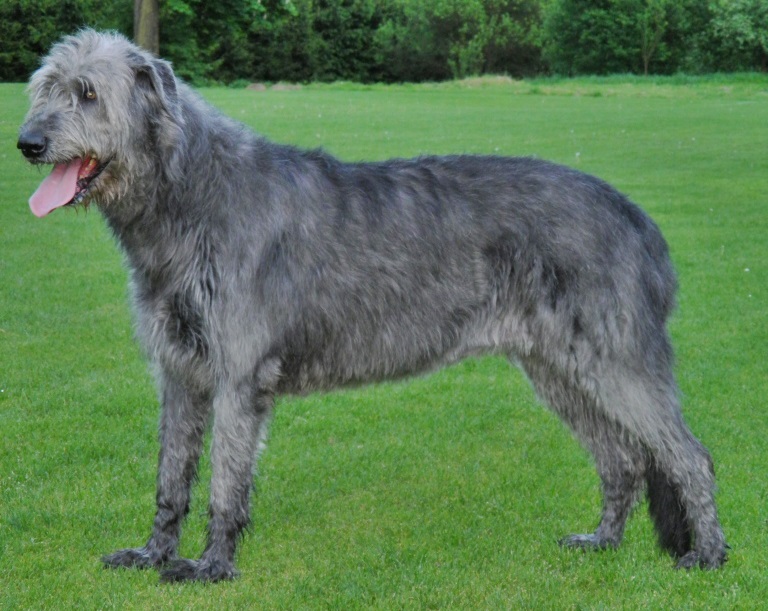
The Irish Wolfhound's coat tells the story of the breed's history. Rough, wiry, and weather-resistant, it was built for working in the harsh conditions of the Irish countryside. Today, your Wolfhound's coat still functions as protective equipment — and understanding how the irish wolfhound coat works helps you take better care of it.
The Double Coat Structure
Irish Wolfhounds have a rough double coat with two distinct layers:
Outer coat: Harsh, wiry hairs that lie relatively close to the body. This layer repels moisture, sheds dirt, and provides a barrier against scrapes and scratches. The texture should feel rough to the touch — if it feels soft, the coat isn't being maintained properly.
Undercoat: Softer, denser hair close to the skin. This layer provides insulation, keeping the dog warm in cold weather and offering some protection from heat. The undercoat density varies seasonally.
Together, these layers create a coat that's remarkably functional for a sighthound. While most sighthounds have sleek, short coats, the Wolfhound developed its rough coat because it worked in colder, wetter conditions than its smooth-coated cousins like the Greyhound.
Coat Colors and Variations
Irish Wolfhounds come in a range of colors:
- Gray: The most common and arguably most iconic color. Ranges from light silver to dark steel gray.
- Brindle: Tiger-striped pattern with a base color showing through darker stripes.
- Red: A warm reddish tone, less common but striking.
- Black: Solid black, though often with some gray mixed in.
- White: Rare and eye-catching.
- Fawn: A light tan to deeper golden shade.
- Wheaten: Similar to fawn but with a warmer, wheat-like tone.
One thing to note: gray and brindle Wolfhounds may show coat color changes as they age, with the muzzle and face graying earlier than the body. This is normal aging, not a health concern.
Seasonal Shedding Patterns
Irish Wolfhounds shed. Not as dramatically as some double-coated breeds, but noticeably — especially during seasonal coat transitions.
Spring blow: This is the big one. As temperatures warm, the dense winter undercoat loosens and sheds. You'll find wiry hair on furniture, clothing, and basically every surface in your home. This shedding period lasts 2-4 weeks and is the time when professional undercoat removal is most valuable.
Fall thickening: Less dramatic visually, but the summer coat transitions to a denser winter configuration. Some loose hair sheds as the new undercoat pushes in.
Year-round maintenance shedding: Between seasonal blows, Wolfhounds shed moderately. Daily brushing during heavy shedding periods and weekly brushing during moderate periods keeps things manageable.
A study from the University of Sydney's veterinary program found that breeds with rough double coats shed approximately 40% of their dead coat during two seasonal peaks, with the remaining 60% distributed throughout the year. That pattern matches what Wolfhound owners experience.
How to Read Your Wolfhound's Coat
Your dog's coat communicates condition:
Healthy signs:
- Outer coat feels harsh and wiry
- Undercoat is present but not packed
- Coat lies relatively flat against the body
- Natural sheen without greasiness
- Skin underneath is clean and pink
- Outer coat feels soft or cottony (may indicate repeated clipping or nutritional issues)
- Undercoat is packed and dense against the skin (overdue for grooming)
- Coat stands up in tufts (undercoat is blowing and needs removal)
- Dull, dry appearance (check diet, bathing products, or overall health)
- Visible dandruff or flaking (dry skin — could be environmental or dietary)
- Patchy hair loss (veterinary attention needed)
The Hand-Stripping Question
Hand-stripping is the traditional coat maintenance method for wire-coated breeds, and it works beautifully on Irish Wolfhounds. The process removes dead outer coat hairs by the root, allowing new, properly textured hairs to grow in.
Benefits of hand-stripping:
- Maintains the correct wiry texture
- Preserves coat color vibrancy
- Promotes healthy new growth
- Keeps the coat functional as weather protection
- Professional hand-stripping for the main body coat 2-3 times per year
- Home carding (using a stripping knife or carding tool to remove surface dead hair) between stripping sessions
- Clipping only in specific areas where texture matters less (sanitary area, paw pads)
Daily and Weekly Home Care
Home care for an Irish Wolfhound coat is straightforward but time-consuming due to size:
Weekly routine (20-30 minutes):
- Brush the entire body with a slicker brush, working in sections from head to tail
- Follow with a wide-tooth comb to catch any tangles, especially in the chest, behind the ears, and leg furnishings
- Run a stripping knife or carding tool through the outer coat to remove dead hair
- Check the beard and facial hair for food debris
- Use an undercoat rake to pull loose undercoat
- Slicker brush the body to capture released hair
- Focus on the chest, flanks, and hindquarters where undercoat is densest
- Examine the skin for any changes — lumps, irritation, parasites
- Assess overall coat condition and texture
- Trim paw pad hair and check between toes
Bathing Your Wolfhound
Bathing an Irish Wolfhound is an event, not a task. Some practical considerations:
Frequency: Every 6-8 weeks is typical. The wiry coat naturally repels dirt to some degree, so many Wolfhounds stay relatively clean between baths. Over-bathing softens the coat texture.
Location: Unless you have a walk-in shower or utility sink at dog-chest height, bathing at home means the yard with a hose (warm weather only) or a self-service dog wash with a large tub.
Products: Use a shampoo formulated for wire coats. Avoid heavy conditioners on the body — they soften the texture you want to preserve. A light conditioner on the beard and leg furnishings is fine.
Drying: This is critical. A wet Wolfhound coat takes a long time to air-dry, and damp coat against skin invites problems. If you bathe at home, use a high-velocity pet dryer or, at minimum, multiple towels followed by a human hair dryer on a cool setting. Make sure the undercoat is dry, not just the surface.
Coat and Overall Health
Irish Wolfhounds have a shorter lifespan than most breeds — the median is 6-7 years. This makes every health indicator more valuable, and the coat is one of the most visible indicators.
Changes in coat quality can signal:
- Thyroid imbalance (common in giant breeds)
- Nutritional deficiency
- Liver or kidney changes
- Stress or environmental factors
Your Irish Wolfhound's rough coat is a piece of living history — a functional garment designed for a working giant. Understanding it, maintaining it, and reading what it tells you about your dog's health is one of the most fundamental aspects of Wolfhound ownership.
---
Ready to streamline your grooming workflow? PawOps Board Manager helps salons track every Irish Wolfhound from check-in to pickup with real-time visibility. Start your free 30-day trial →
Related Reading: