Why Your Havapoo Needs Professional Grooming (That Silky Coat Is Not Self-Maintaining)
Why Your Havapoo Needs Professional Grooming (That Silky Coat Is Not Self-Maintaining)
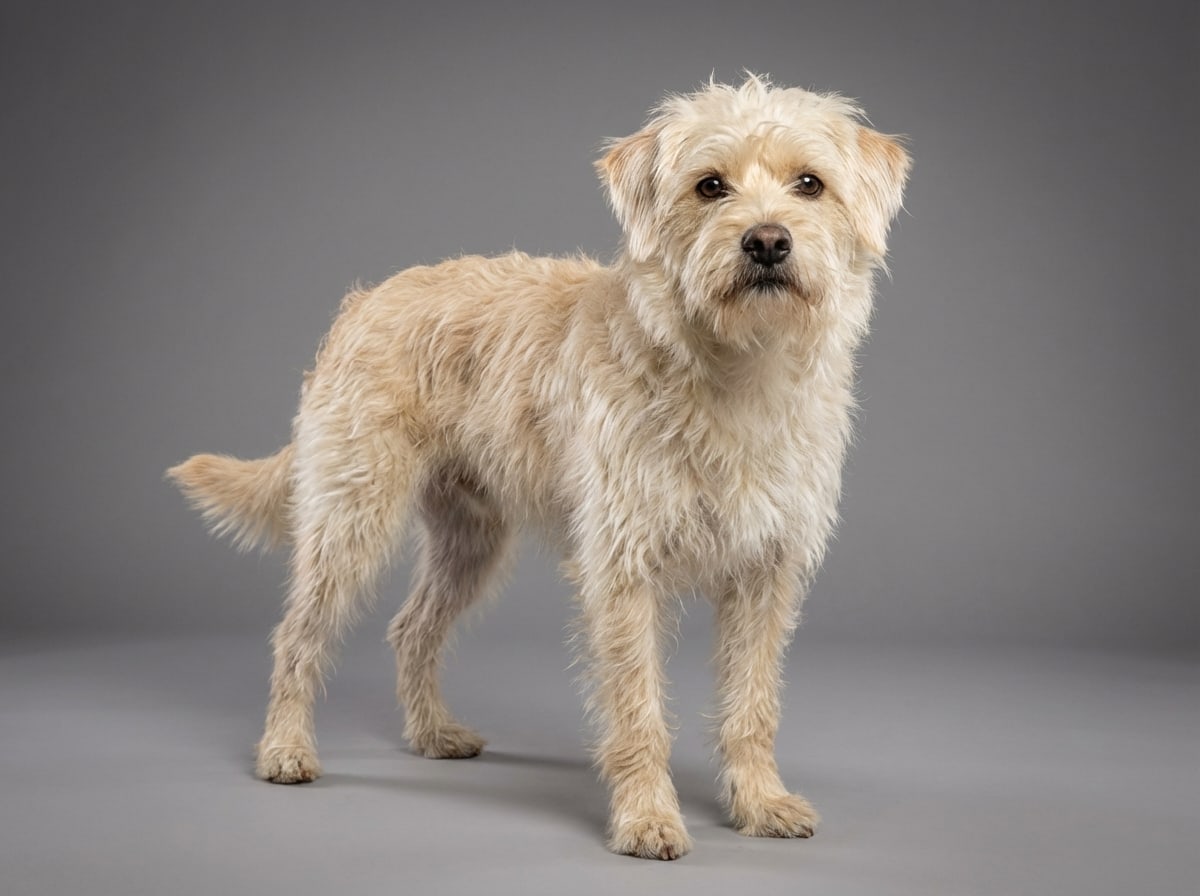
Havapoos are one of those breeds that look effortlessly beautiful. The soft, flowing coat, the bright eyes peeking through perfectly tousled bangs -- it all seems so natural. And then reality hits: that coat tangles if you breathe on it wrong, and what looked like a casual, windswept vibe three days ago is now a series of mats that would make a professional groomer wince.
Your Havapoo's coat is gorgeous. It is also a full-time maintenance commitment, and professional grooming is not optional. Here is why.
What Makes the Havapoo Coat Special (and Challenging)
The Havapoo is a cross between the Havanese and the Poodle. Both parent breeds have long, continuously growing coats that barely shed -- but the textures are quite different.
The Havanese has a long, silky, lightweight coat that can be straight, wavy, or slightly curly. It drapes rather than poofs. Some describe it as almost hair-like, flowing and soft to the touch. The Poodle has a denser, curlier coat with more body and structure.
Your Havapoo can inherit either texture, or -- most commonly -- something in between: a wavy, soft coat with moderate density that tangles with alarming speed. The silkier the coat, the more it slides and knots. The curlier the coat, the more it mats against itself. Either way, you are dealing with a coat that does not forgive neglect.
Why Professional Grooming Is Non-Negotiable
The Matting Problem Is Real and Fast
Havapoo coats mat in predictable places: behind the ears, in the armpits, under the chin, around the collar, between the rear legs, and anywhere the coat rubs against itself during movement. Because the hair is fine and silky -- even in curlier Havapoos -- mats form and tighten quickly.
A professional groomer on a regular four to six week schedule catches tangles before they become mats. Once a mat tightens against the skin, it causes discomfort, restricts airflow to the skin, and creates conditions for bacterial growth underneath. At that point, the only solution is often cutting or shaving it out, leaving an uneven coat that takes weeks to grow back.
Ear Care Is Critical
Both the Havanese and the Poodle grow hair inside the ear canal. Your Havapoo almost certainly does too. This hair traps wax, moisture, and debris, creating a warm, damp environment that breeds bacteria and yeast. Chronic ear infections are one of the most common health issues in Havapoos, and professional ear cleaning with careful hair removal is the primary prevention.
According to veterinary data, breeds with hair growth in the ear canal are approximately three times more likely to develop chronic ear infections than breeds with clean ear canals. Professional ear management is not cosmetic -- it is preventive healthcare.
Eye and Facial Hair Management
Havapoos grow hair across their forehead and around their eyes that, left untrimmed, irritates the cornea and causes excessive tearing. Tear staining is extremely common in Havapoos with lighter coats, and much of it is preventable with regular facial grooming.
A professional groomer trims the facial hair to keep it out of the eyes, cleans tear stain buildup, and maintains a neat muzzle that stays cleaner between meals and water bowls.
The Full-Body Skin Check
Havapoo coats are dense enough to hide skin problems completely. Hot spots, flea dermatitis, fungal infections, and dry skin patches all develop invisibly under the coat. Your groomer examines the skin during every appointment by parting the coat section by section -- a process that takes skill and time but catches issues before they become veterinary problems.
Nail and Paw Maintenance
Havapoos are small, often under 20 pounds, and overgrown nails on a small frame affect gait and joint alignment disproportionately. The ASPCA notes that nail overgrowth is one of the most common preventable causes of foot pain in toy and small breeds. Professional nail trimming keeps your Havapoo walking comfortably, and paw pad trimming removes the hair between pads that causes slipping on smooth floors.
What a Professional Havapoo Groom Looks Like
A standard full-service grooming appointment for a Havapoo takes about 90 minutes to two hours and includes:
- Pre-bath assessment and brushout -- identifying and addressing tangles before they get wet and tighten
- Bath with gentle, moisturizing shampoo -- important for maintaining the silky texture
- Conditioning treatment -- reduces static and friction, which directly reduces future tangling
- Low-heat blow dry -- high heat damages the fine coat texture. Proper drying is critical
- Full body haircut -- teddy bear cut, puppy cut, or maintained longer style
- Face and head grooming -- eye area trimming, muzzle shaping, topknot management
- Ear cleaning and hair removal -- inside the ear canal
- Nail trim and paw pad trim -- between the pads where hair collects
- Sanitary trim -- hygiene maintenance
What Happens When You Skip Professional Grooming
The consequences stack up faster with a Havapoo than with many breeds:
- Within two weeks without brushing, tangles begin forming behind ears and under legs
- Within four weeks, tangles become small mats. The coat loses its shape and starts looking scraggly
- By six to eight weeks without grooming, mats are widespread. Ear canal hair has grown enough to start trapping moisture. Nails are overgrown
- Beyond eight weeks, the coat begins pelting -- mats fuse into sheets against the skin. This is painful, and the dog is visibly uncomfortable
How Often Should a Havapoo See a Groomer
Every four to six weeks. If you keep the coat in a longer style, four weeks is better. If you prefer a shorter puppy cut, you can stretch to six. Between visits, brush your Havapoo at least three to four times per week -- daily is even better for longer coats.
A Surprising Fact About Havapoo Coats
The Havanese, one of the Havapoo's parent breeds, actually developed its distinctive silky coat as an adaptation to the tropical Cuban climate. Unlike most long-coated breeds whose fur provides insulation against cold, the Havanese coat is lightweight and designed to protect against sun and heat while allowing air circulation. Some Havapoos inherit this quality -- their coat feels cool to the touch even in warm weather because the hair shafts are fine enough to allow airflow. This means that shaving a Havapoo in summer, which many owners do thinking it keeps the dog cooler, can actually backfire. The coat is providing sun protection and thermal regulation that bare skin cannot. A shorter trim is fine; a full shave removes a coat that was engineered for warm weather.
Finding the Right Groomer
Look for a groomer who:
- Has experience with Havanese mixes, Poodle mixes, or both
- Uses condition-based pricing that reflects the actual work your specific coat needs
- Understands the difference between silky and curly coat management
- Will teach you proper brushing technique for between visits
- Takes the time for thorough ear and eye care, not just coat work
PawOps helps grooming salons assess and price mixed-breed coats accurately using condition scoring and coat type analysis -- so your Havapoo gets the right grooming approach based on their specific coat texture and condition.