Understanding Your Havapoo's Coat: What Every Owner Should Know
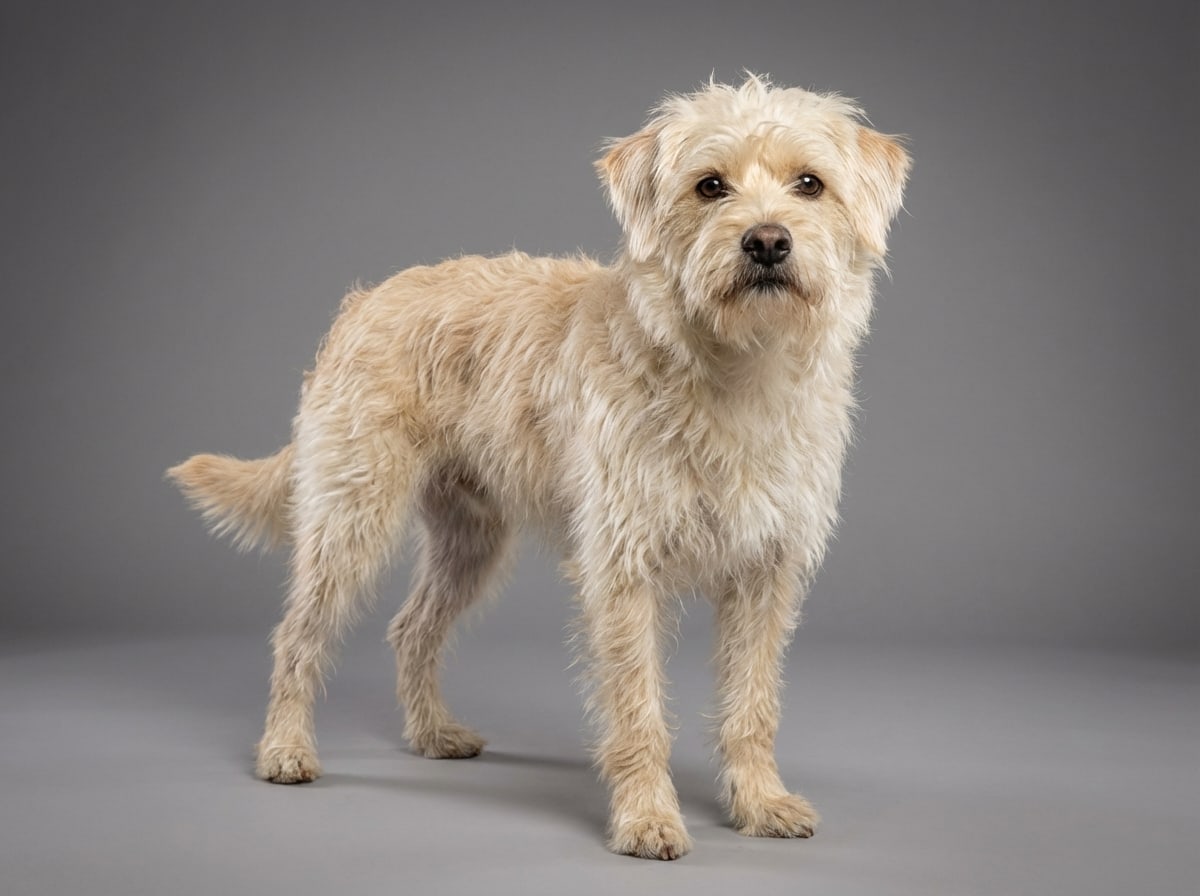
Understanding Your Havapoo's Coat: What Every Owner Should Know
The Havapoo coat is one of the softest, most touchable coats in the designer breed world. People stop you on walks to pet this dog. But that gorgeous, silky fur has a personality of its own -- one that requires understanding if you want to keep it looking and feeling healthy. Knowing what your Havapoo's coat actually is, how it behaves, and what it needs is the difference between a dog that looks perpetually magazine-ready and one that is quietly uncomfortable under a mess of tangles.
The Parent Breed Coat Breakdown
The Havanese Side
The Havanese has one of the most distinctive coats in the toy group. It is long, silky, and lightweight, designed to flow rather than puff. The texture ranges from straight to wavy, and the coat can be either single-layer or double-layer depending on the individual dog.
What makes the Havanese coat unique is its origin: this breed developed in Cuba, and the coat evolved to provide sun protection and airflow in tropical heat rather than insulation against cold. The hair shafts are fine and silky, creating a coat that drapes elegantly but tangles easily because those fine hairs slide over each other and knot.
Havanese coats grow continuously and shed very little.
The Poodle Side
The Poodle contributes dense, curly, continuously growing hair that is coarser than the Havanese coat. Poodle curls provide structure and body but mat readily because the curls catch on each other. The Poodle coat barely sheds, with loose hair staying trapped in the curl pattern.
What Your Havapoo Inherits
The combination produces a range of possible coat types, though the overall tendency leans toward soft, wavy, and low-shedding. Most Havapoos end up with a coat that is silkier than a Poodle's and curlier than a Havanese's -- a middle ground that is undeniably pretty and undeniably high-maintenance.
The Three Main Havapoo Coat Types
Type 1: Silky Wavy (Havanese-Dominant)
Appearance: Long, flowing waves with a silky sheen. The coat moves when the dog moves, draping rather than poofing. Think of a luxurious curtain of soft hair.
Texture: Fine, smooth, lightweight. Feels like silk or very fine human hair.
Shedding: Very low. Loose hairs tend to fall out during brushing rather than around the house.
Matting risk: High, despite how it looks. The fine, silky texture is actually more mat-prone than coarser hair because the strands slide together and knot easily. Friction areas mat within days without brushing.
Maintenance: Daily brushing is recommended. Professional grooming every four to five weeks. Use a detangling spray before brushing to reduce friction and breakage.
Type 2: Soft Wavy to Curly (Even Mix)
This is the most common Havapoo coat type.
Appearance: Medium-length waves with some curl definition. Has body and volume without being puffy. The "teddy bear" look.
Texture: Soft but with more substance than the silky type. Not as fine as Havanese, not as coarse as Poodle.
Shedding: Minimal. Trapped shed hair needs to be brushed out.
Matting risk: Moderate to high. Less slippery than the silky type but the wave pattern still creates significant friction-based tangling.
Maintenance: Brush three to four times per week. Professional grooming every five to six weeks.
Type 3: Curly (Poodle-Dominant)
Appearance: Defined curls throughout, higher density, more volume. Looks more Poodle-like than Havanese-like.
Texture: Springy and dense. Curls bounce back when stretched.
Shedding: Minimal. Shed hair gets trapped in the curls.
Matting risk: High. Dense curls lock together and tighten into mats without regular brushing.
Maintenance: Brush every other day at minimum, daily is better. Professional grooming every four to six weeks including a full haircut.
The Havapoo Coat Transition
Like most Poodle mixes, Havapoos go through a coat transition as they mature. The timeline is typically between six and fourteen months of age.
During this phase:
- The soft puppy coat gradually sheds while the adult coat grows in
- Both coats exist simultaneously, creating a tangling nightmare
- A puppy that was easy to brush at three months becomes a matting disaster at eight months
- The final adult coat texture may be different from what you expected based on the puppy coat
A Surprising Fact About Havapoo Coats
Here is something that catches most owners by surprise: Havapoo coat texture can change with the seasons. The Havanese coat, originally adapted for tropical weather, sometimes responds to seasonal temperature changes in ways that affect grooming. Some Havapoos develop a slightly denser, more textured coat in winter and a lighter, silkier coat in summer. This is subtle -- you would not notice if you were not paying attention -- but it means your brushing routine might need to adjust seasonally. A brush that glides through in July might catch more in January, not because you are brushing wrong, but because the coat itself has shifted slightly.
How Humidity and Climate Affect Your Havapoo
Environment plays a bigger role in Havapoo coat behavior than most owners realize:
- High humidity makes silky coats frizz and wavy coats tangle faster. If you live in a humid climate, expect to brush more frequently.
- Dry climates create static, which causes fine Havapoo hair to cling together and tangle in unexpected ways. A light leave-in conditioner spray helps.
- Swimming and water play are particularly risky for matting. A Havapoo that gets wet and is not dried and brushed promptly will develop mats within hours, not days.
- Air conditioning can dry out the coat and skin, especially in winter when indoor heating is constant.
Coat Colors and Changes
Havapoos come in a beautiful range of colors: white, cream, gold, apricot, chocolate, black, and various patterns including parti-color and sable.
Color changes as the dog matures are very common:
- Dark-colored Havapoos frequently lighten with age, inheriting the Poodle's fading gene
- Sable Havapoo puppies may lose much of their dark overlay as they mature
- Apricot and gold can lighten to cream or buff
- White Havapoos are prone to tear staining and saliva staining, creating brownish discoloration around the eyes and mouth
Building Your Havapoo Coat Care Routine
The essential toolkit:
- Slicker brush -- your primary detangling tool. Choose one sized for a small dog with gentle, flexible pins.
- Steel comb -- the verification tool. After brushing an area with the slicker, run the comb through it. If it catches, there is still a tangle.
- Detangling spray -- reduces friction and breakage. Use before every brushing session on a Havapoo with silky texture.
- Pin brush -- for finishing and fluffing, especially on longer coats.
- Gentle, moisturizing shampoo and conditioner -- sulfate-free formulas preserve the silky texture.
Brushing Best Practices
When Coat Problems Signal Health Issues
Sometimes coat changes indicate something beyond grooming:
- Sudden thinning or bald patches -- could indicate thyroid issues, allergies, or hormonal imbalance
- Excessively dry, brittle coat -- possible nutrition deficiency or dehydration
- Greasy, oily coat -- may indicate seborrhea or skin infection
- Persistent odor despite grooming -- could be a skin infection or dental issue
- Excessive shedding (unusual for a Havapoo) -- warrants a vet visit
PawOps helps grooming salons assess mixed-breed coats using condition scoring and coat type analysis, ensuring your Havapoo gets a grooming plan tailored to their specific coat texture and needs -- not a generic small-breed approach.