Understanding Your Golden Retriever's Coat: What Every Owner Should Know
Understanding Your Golden Retriever's Coat: What Every Owner Should Know
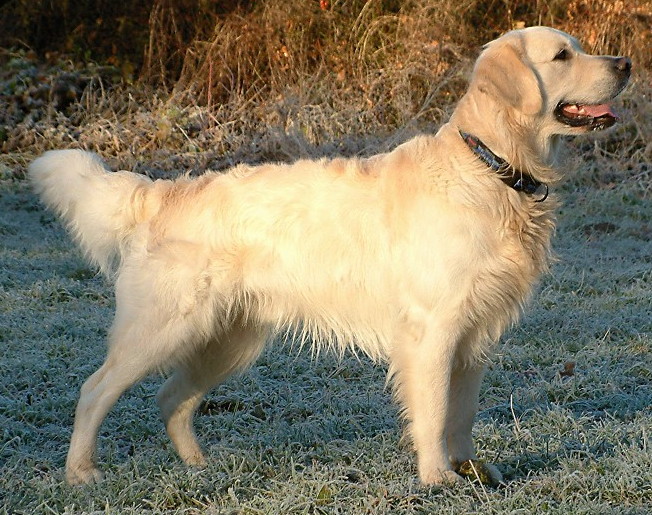
The golden retriever coat is arguably the most iconic coat in the dog world — that warm, flowing gold that ranges from cream to deep red-gold. But behind the beauty is a complex double coat system that confuses even experienced dog owners. Understanding how it works changes how you care for it.
Anatomy of the Golden Retriever Coat
Two distinct layers work together:
The Outer Coat (Guard Hairs)
The outer coat is composed of longer, slightly wavy guard hairs that are water-repellent. This is the visible coat — the feathering on the chest, legs, and tail that gives Goldens their signature look.
Guard hairs serve multiple functions:
- Repel water (originally for retrieving waterfowl)
- Protect against UV rays
- Shield the skin from branches, thorns, and debris
- Regulate temperature by trapping air against the body
The Undercoat
Beneath the guard hairs sits a dense, soft undercoat that provides insulation. This layer is the reason Goldens shed so heavily — it's the undercoat that replaces itself seasonally.
The undercoat is thicker in winter and thinner in summer. During the transition (spring and fall), the old undercoat loosens and sheds in massive quantities. This is the "coat blow" that every Golden owner knows and dreads.
A surprising fact: Golden Retrievers' coat color has no relationship to shedding volume. Cream Goldens, gold Goldens, and red Goldens all shed roughly the same amount. The myth that lighter Goldens shed more likely comes from the visibility of light-colored hair on dark clothing.
The Shedding Cycle Explained
Golden Retrievers shed year-round at a moderate level. Twice a year, they shed heavily.
Spring coat blow (March-May): The thick winter undercoat loosens to prepare for summer. This is typically the heavier shed.
Fall coat blow (September-November): The lighter summer undercoat is replaced by the denser winter coat. Slightly less dramatic than spring but still significant.
Year-round maintenance shedding: A steady baseline of shedding that never fully stops. This is normal and healthy.
Factors that increase shedding:
- Stress (moving, new pets, schedule changes)
- Poor nutrition
- Hormonal changes (spaying/neutering often increases coat density temporarily)
- Indoor living with artificial heating/cooling (confuses the natural shedding cycle)
What to Tell Your Groomer
Golden Retriever grooming communication should cover:
"How much undercoat is present?" — Your groomer can assess undercoat density and recommend timing for deshedding treatments.
"Are there any hot spots or skin issues?" — Goldens hide skin problems under dense fur. Your groomer may spot irritation, dryness, or lumps you can't see.
"What condition is the feathering in?" — Ear, chest, leg, and tail feathering can mat without proper maintenance. Your groomer should trim and neaten these areas.
"Do you see any excessive thinning or bald patches?" — Coat loss beyond normal shedding can indicate thyroid issues, allergies, or other health problems. Goldens are prone to hypothyroidism, which directly affects coat quality.
The Never-Shave Rule (And Why It Exists)
This cannot be overstated: never shave a Golden Retriever. The double coat is not like human clothing that can be removed and put back on.
When shaved:
- The undercoat grows back faster than the guard hairs
- The coat texture changes — often becoming woolly or patchy
- The guard hairs may never fully recover their water-repellent quality
- The dog loses natural UV protection and temperature regulation
- "Post-clipping alopecia" can result in permanent coat damage
Brushing That Actually Works
Golden Retriever brushing requires different tools for different parts of the coat:
Undercoat rake: For the body. This tool reaches through the outer coat to remove loose undercoat without damaging guard hairs. Use 2-3 times per week; daily during coat blows.
Slicker brush: For the feathering. The finer pins work through the longer hair on ears, chest, legs, and tail where tangles form.
Metal comb: For verification. Run through the coat after brushing to find any remaining tangles.
Bristle brush: For finishing. Smooths the outer coat and distributes natural oils.
Brushing Routine
Total time: 15-20 minutes for a well-maintained coat. Worth every minute.
Between-Visit Coat Care
After swimming: Rinse with fresh water immediately. Chlorine and salt water degrade the outer coat's water-repellent properties. Dry thoroughly — trapped moisture in the dense undercoat causes hot spots.
After outdoor adventures: Check for burrs, foxtails, and ticks. The dense coat hides debris that can work into the skin.
Weekly ear checks: Flip the ear leather and look for redness, discharge, or odor. Clean with a vet-approved ear solution if needed.
Seasonal adjustments: Increase brushing frequency during coat blows. Consider scheduling an extra professional groom at the start of spring and fall shedding seasons.
When Coat Changes Signal Health Problems
The Golden Retriever coat is a visible health indicator. Watch for:
- Excessive thinning or bald patches: Could indicate thyroid issues, allergies, or hormonal imbalances
- Dull, dry coat: Often signals nutritional deficiency or dehydration
- Sudden increase in shedding: May indicate stress, illness, or dietary problems
- Oily, smelly coat: Could be a yeast infection or sebaceous gland issue
- Coat color changes: Darkening or reddening can indicate saliva staining from excessive licking (allergy sign)
Your Golden Retriever's coat is both a beauty and a responsibility. Understand its structure, respect its function, maintain it consistently, and communicate with your groomer. The coat will do what it was designed to do — protect your dog in style.
---
Ready to streamline your grooming workflow? PawOps Board Manager helps salons track every Golden Retriever from check-in to pickup with real-time visibility. Start your free 30-day trial →
Related Reading: