Why Your Glen of Imaal Terrier Needs Professional Grooming (This Rare Breed Has Rare Coat Needs)
Why Your Glen of Imaal Terrier Needs Professional Grooming (This Rare Breed Has Rare Coat Needs)
The Glen of Imaal Terrier is one of the rarest breeds you will encounter -- and one of the most misunderstood when it comes to grooming. This sturdy, low-to-the-ground Irish terrier was bred to work silently in the glen, hunting badgers and foxes and even turning kitchen spits. Their coat reflects that working heritage: harsh, medium-length, and built to handle whatever the Irish countryside threw at them.
If you own a Glen, professional grooming is not just about looks. It is about keeping a working coat functional on a breed that most groomers have never seen.
The Glen Coat: Different From Other Terriers
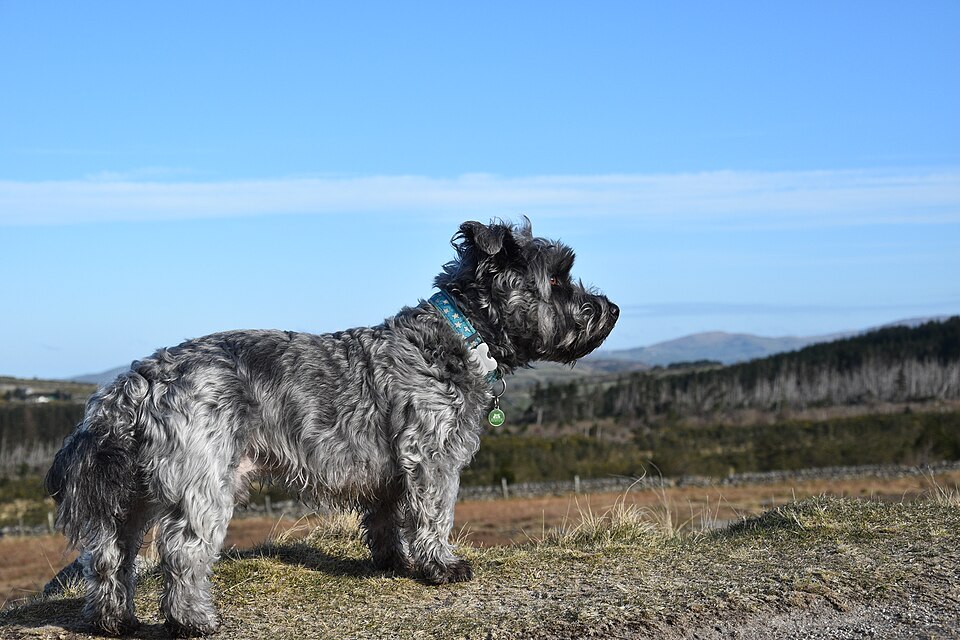
Glen of Imaal Terriers have a medium-length double coat that sets them apart from the shorter-coated terrier breeds. The outer coat is harsh and rough, with a slightly softer texture than the extremely wiry coats of Welsh Terriers or Wire Fox Terriers. Some Glen owners describe it as "rough" rather than "wiry" -- there is a difference. The undercoat is soft and dense.
The coat grows longer than most wire terrier coats, particularly around the head, legs, and underbody. This gives the Glen a shaggier appearance that some people mistake for a neglected terrier. It is not neglect -- it is the breed. But that extra length and slightly softer texture mean the coat mats more readily than a tight wire coat, particularly in the furnishings.
Glens come in several colors: wheaten (all shades from cream to reddish), blue brindle, and blue. The brindle and blue colors may appear in various intensities, and puppies often change color significantly as they mature.
Why You Cannot Skip the Groomer
The Glen's coat has the same fundamental issue as all wire and harsh-coated breeds: dead coat does not shed efficiently on its own. Without removal, it layers up, loses texture, mats into the undercoat, and creates a host of problems:
What Professional Grooming Handles
- Dead coat removal -- hand-stripping or clipping the body to remove dead outer coat and prevent buildup
- Furnishing management -- the head, leg, and belly hair grows long enough to mat seriously if not maintained
- Undercoat raking -- the soft undercoat sheds seasonally and needs removal to prevent felting
- Head styling -- Glens have a distinctive head with a broad skull and strong jaw; grooming should enhance this, not obscure it
- Ear cleaning -- the small, rose or half-pricked ears need attention
- Nail care -- critical for a breed with bowed front legs; overgrown nails stress already-unusual leg mechanics
- Sanitary trim -- the longer coat around the belly and rear needs hygiene maintenance
The Nail Issue Deserves Extra Attention
Glen of Imaal Terriers have a unique front-end structure. Their front legs are slightly bowed, with the feet turning out modestly. This was bred into them for digging into badger dens. It also means that nail overgrowth has an outsized impact on their gait and joint health compared to straight-legged breeds. A professional groomer who understands this trims or grinds the nails with the dog's specific biomechanics in mind.
The American Kennel Club notes that the Glen's "bowed forequarters and turned-out feet" are a hallmark of the breed, and veterinary orthopedic guidance suggests that regular nail maintenance is particularly important for breeds with this front-end structure to prevent gait abnormalities.
What Happens When Grooming Is Neglected
- Matting concentrates where it hurts most. The armpits, groin, behind the ears, and between the toes are all high-friction areas on a low, broad-chested dog. Mats in these spots cause serious discomfort.
- The undercoat felts against the skin. A thick, neglected undercoat traps heat and moisture. For a breed already built low to the ground -- belly close to damp grass -- this is a skin infection waiting to happen.
- Coat texture degrades silently. The harsh outer coat becomes progressively softer as dead hairs accumulate. Owners often do not notice until the coat has lost its characteristic roughness entirely.
- Parasite detection becomes impossible. Ticks and fleas hide easily in a dense, unmaintained double coat. Regular grooming means regular full-body inspections.
Grooming Schedule for Glen of Imaal Terriers
| Method | Frequency | Between Visits | |--------|-----------|----------------| | Hand-stripping | Every 8-12 weeks | Weekly brushing, regular beard check | | Clipping | Every 6-8 weeks | Twice-weekly brushing | | Combination | Every 8-10 weeks | Weekly brushing |
Glens do not need grooming quite as frequently as some wire-coated terriers because their coat grows at a moderate pace. But "moderate" still means regular -- this is not a set-and-forget breed.
The Rarity Challenge: Finding a Groomer
Glen of Imaal Terriers are genuinely rare. The AKC registers fewer than 100 Glens per year in the United States in most years, making them one of the rarest terrier breeds. The odds that your groomer has groomed a Glen before are slim.
This does not mean you cannot find good grooming. Look for:
- Experience with harsh-coated or wire-coated terrier breeds
- Willingness to look at breed-specific grooming references (Glen breed clubs publish grooming guides)
- Understanding that the Glen is supposed to look slightly shaggy, not sculpted like a Schnauzer or clipped tight like a Kerry Blue
- Awareness of the breed's unique front-end structure and its implications for nail care
The Bottom Line
The Glen of Imaal Terrier is a robust, no-nonsense working breed -- and its coat needs a robust, no-nonsense grooming routine. Professional care keeps the coat functional, the skin healthy, and the breed's sturdy silhouette intact. Your Glen was built to work hard. Let your groomer help keep that coat ready for anything.
PawOps helps grooming salons handle rare breeds with confidence using coat condition scoring and breed reference profiles -- so your Glen of Imaal Terrier gets expert care even if the groomer is meeting the breed for the first time.