Understanding Your Glen of Imaal Terrier's Coat: What Every Owner Should Know
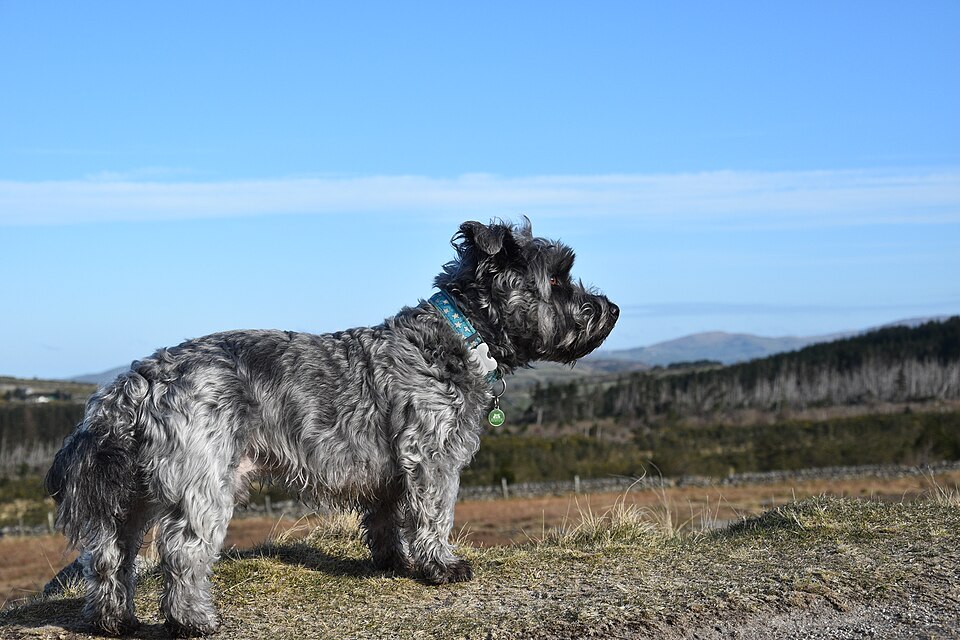
Understanding Your Glen of Imaal Terrier's Coat: What Every Owner Should Know
The Glen of Imaal Terrier is one of four Irish terrier breeds, and its coat is distinct from all of them. While the Irish Terrier wears a tight, close-lying wire coat and the Kerry Blue sports soft waves, the Glen sits in its own category -- a medium-length, harsh-textured double coat that looks a bit shaggier than your typical terrier. Understanding this coat is essential because it does not behave like other terrier coats, and treating it like one leads to problems.
How the Glen's Coat Differs From Other Terriers
Most wire-coated terriers have short, tight outer coats that lie close to the body. The Glen's outer coat is longer, growing to a medium length that gives the breed a rougher, more natural appearance. The texture is harsh -- coarser than a soft-coated breed but not as extremely wiry as a Wire Fox Terrier or Welsh Terrier.
Think of it as a spectrum. On one end, you have smooth-coated breeds like Bull Terriers. In the middle, you have the Glen's harsh, medium-length coat. On the far end, you have the tight, crisp wire of a show-quality Wire Fox Terrier. The Glen's position on this spectrum means it needs different handling than either extreme.
The undercoat is soft, dense, and significant. On a properly maintained Glen, the harsh outer coat sits over a plush undercoat that provides substantial insulation. This combination was developed for a dog that worked outdoors in the Irish countryside year-round.
Glen of Imaal Terrier Colors
Glens come in three color categories:
Wheaten
The most common color, ranging from cream to a rich reddish-gold. Wheaten Glens can be any shade within this range, and the shade may darken or lighten with age. The wheaten color is typically uniform across the body, though slightly lighter on the chest and belly.
Blue Brindle
A striking pattern of dark blue-gray stripes over a lighter base. The brindle pattern can be subtle or bold, and the overall impression ranges from a dark steel gray to a lighter blue-gray with visible striping. Blue brindle is less common than wheaten but highly sought after by breed enthusiasts.
Blue
A solid dark blue-gray, sometimes appearing nearly slate. Blue Glens may show slightly lighter areas on the chest and legs.
The Color Change Surprise
Here is something that catches many Glen owners off guard: puppies frequently change color dramatically as they mature. A puppy born dark blue may lighten to wheaten by adulthood. A brindle puppy may intensify or fade. The AKC breed standard acknowledges this by accepting a range of shades within each color category.
Breed club documentation notes that Glen puppies should not be judged on adult color until at least 18 months old, as the mature coat color may bear little resemblance to the puppy color. This is one of the most dramatic color transitions in any terrier breed.
The Coat Growth Cycle
Glen of Imaal Terriers have a coat growth cycle that is somewhat more forgiving than other wire-coated terriers. The harsh outer hairs grow to medium length and hold at that length for a longer period before dying. This means:
- The coat looks presentable for longer between grooming sessions
- Dead coat accumulates more slowly than in breeds with faster growth cycles
- Hand-stripping sessions can be spaced further apart (8-12 weeks vs. 6-8 for some terrier breeds)
The Furnishings: Where the Work Is
The Glen's furnishings -- the longer hair on the head, legs, and underbody -- are where most of the maintenance effort concentrates.
The Head
Glens have a broad, strong head with a slightly domed skull. The facial hair grows to a moderate length, creating a frame that should emphasize the breed's powerful jaw and intelligent expression. The eyebrows are present but not dramatic. The beard is moderate -- more than a smooth-faced breed but less than a Schnauzer.
The Legs
The leg furnishings are where matting is most common. The hair is softer than the body coat and grows long enough to tangle, particularly:
- Behind the elbows
- In the armpits (the broad chest makes this a high-friction zone)
- On the back of the hind legs
- Between the toes
The Underbody
Because the Glen sits so low to the ground, the belly and chest hair contacts grass, dirt, and moisture regularly. This longer underbody hair needs checking for debris and tangles after outdoor activity. A quick daily check takes 30 seconds and prevents problems.
Something Most Glen Owners Learn the Hard Way
The Glen of Imaal Terrier's low, broad-chested build creates a grooming challenge that many owners do not anticipate: the armpit and groin areas are prime real estate for matting, and they are difficult to reach on a low, wide dog. A Glen lying flat on a grooming table presents a wide, close-to-the-surface body where getting underneath to check armpits and the inner thighs takes deliberate effort.
Veterinary grooming research suggests that low-built, broad-chested breeds develop friction-related matting in the armpit area at roughly twice the rate of taller, narrower breeds. For Glen owners, this means the armpits need proactive checking -- not just during grooming appointments, but during home brushing sessions.
Home Care Routine
Between professional grooming, maintain this schedule:
- Daily: Quick underbody check after outdoor time. Wipe down if wet or muddy.
- Twice weekly: Comb through all furnishings with a steel comb. Check armpits and groin specifically.
- Weekly: Full body brush with a slicker brush. Check ears for debris.
- Monthly: Check nail length (important for this breed's unique front-end structure).
Tools for Glen Coat Care
- Slicker brush -- body coat and furnishing maintenance
- Steel comb (medium/wide teeth) -- checking for mats in dense furnishings
- Undercoat rake -- seasonal dead undercoat removal
- Stripping knife -- for owners who learn basic maintenance
- Detangling spray -- helps with leg furnishing brushing
- Nail grinder -- particularly recommended over clippers for the breed's bowed front legs
When to See a Professional Between Appointments
Do not wait for the regular schedule if:
- Mats have formed that you cannot work through at home
- The coat suddenly changes texture or density
- You notice excessive scratching, hot spots, or skin odor
- Your puppy is going through the coat transition and color change phase
- Debris is trapped in the coat that regular brushing cannot remove