Understanding Your Giant Schnauzer's Coat: Wire, Willful, and Worth the Work
Understanding Your Giant Schnauzer's Coat: Wire, Willful, and Worth the Work
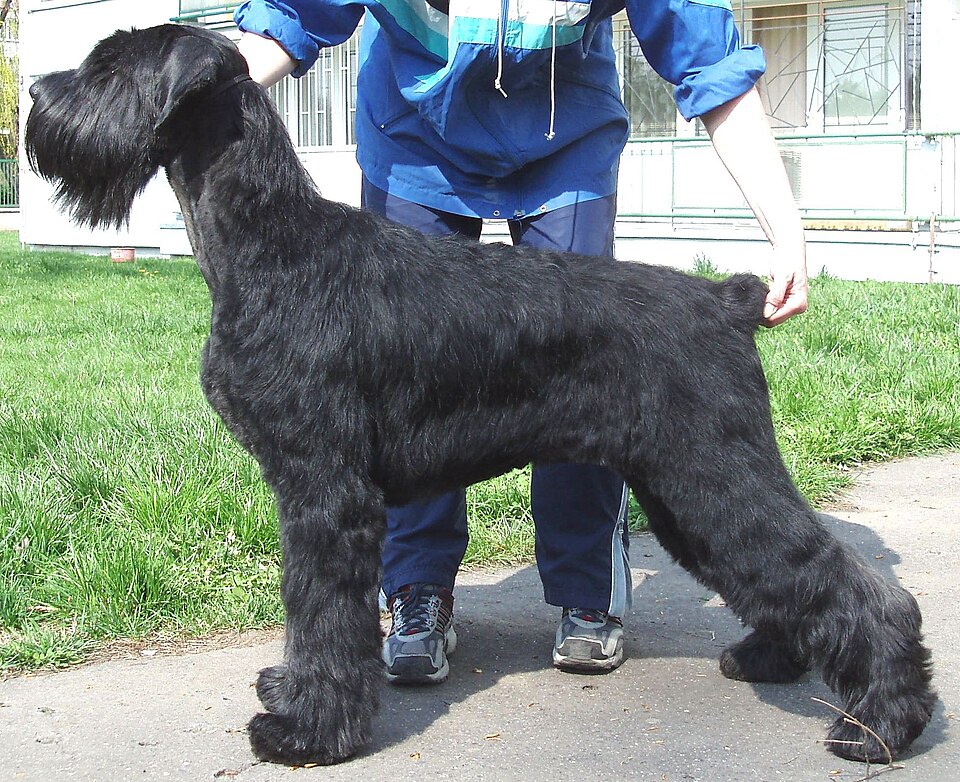
The Giant Schnauzer's coat is one of the most distinctive and demanding in the working group. That hard, dense wire texture -- combined with the breed's iconic beard, dramatic eyebrows, and sculpted silhouette -- creates an appearance that is equal parts impressive and high-maintenance. Understanding how this coat works, what it needs, and how to maintain it properly is essential knowledge for every Giant Schnauzer owner.
The Wire Coat Explained
Wire coats are fundamentally different from smooth, long, or curly coats. Here is what makes them unique:
Structure
Each wire hair has a thick, hard shaft with a slightly rough texture. Under a microscope, wire hairs have a different cross-section than smooth hairs -- they are more angular, which is what gives them their characteristic stiffness and harsh feel.
The Giant Schnauzer's wire coat grows in a specific pattern:
- Body: Close-fitting, about 1.5-2 inches, lying relatively flat
- Legs: Longer furnishings, 2-4 inches, creating straight "pillar" shapes
- Head: Beard extending several inches, eyebrows angled forward over the eyes, crown hair blending into the body
- Undercarriage: Slightly longer, softer texture
The Two-Layer System
Outer coat (wire hairs): Hard, dense, weather-resistant. Should feel harsh, almost scratchy, when you run your hand against the grain. This is the correct texture.
Undercoat: Soft, short, and dense. Provides insulation. Less visible but important for weather protection.
When properly maintained through hand-stripping, the outer coat maintains its wire quality. When clipped, the texture gradually softens because clipping cuts the hard outer portion of the hair rather than removing it from the root.
Hand-Stripping vs Clipping: The Full Story
This is the single most important coat care decision for a Giant Schnauzer owner. Understanding the difference -- really understanding it -- affects every grooming appointment for your dog's entire life.
Hand-Stripping
What it is: Physically removing dead wire hairs from the coat by gripping them and pulling from the root. Done by hand, with finger cots, or with a stripping knife (a serrated blade that grips hair for pulling).
What it does: Removes the entire dead hair, including the root. This stimulates the follicle to produce a new wire hair with proper texture, color, and hardness.
Why it matters:
- Maintains the characteristic harsh, wire texture
- Preserves correct coat color (especially in salt-and-pepper dogs)
- Creates a tighter, cleaner coat lie
- Coat remains weather-resistant
- Coat stays naturally self-cleaning to a degree
Clipping
What it is: Cutting the hair at a chosen length using electric clippers.
What it does: Removes the top portion of the hair, leaving the soft lower shaft and root intact. The regrowth comes from the cut point, not from the root.
Why it matters for coat quality:
- The soft inner portion of the hair is now the outer surface
- Over multiple clippings, the coat becomes progressively softer
- Color can change (salt-and-pepper dogs may become lighter or less defined)
- The coat loses some weather-resistance
- The coat becomes more prone to matting
The Practical Reality
About 80% of pet Giant Schnauzers are clipped. This is perfectly acceptable for a family pet. The dog is still healthy, still looks like a Schnauzer (especially with proper styling), and the grooming schedule is more manageable.
If you want to preserve the best possible coat texture, consider a compromise: hand-stripping the body coat 2-3 times per year while clipping between strips. This maintains some wire quality without the full time and cost commitment of stripping every session.
Coat Colors
Giant Schnauzers come in two recognized colors:
Solid Black
A pure, uniform black from root to tip. Black coats should not have brown, gray, or rust tones. Sun exposure can cause slight fading, which is cosmetic and not a health concern.
From a grooming perspective, black coats are somewhat forgiving -- they hide minor unevenness in clipping and do not show dirt as readily. However, they show dandruff and skin flaking prominently.
Salt-and-Pepper
Each individual hair is banded -- alternating dark and light sections along the length. This creates an overall gray appearance that can range from light silver to dark steel.
Salt-and-pepper coats are more affected by the clip vs strip debate. Hand-stripping preserves the banding pattern because the new hair grows from the root with proper banding. Clipping exposes the softer, often differently-colored inner shaft, which can wash out the salt-and-pepper pattern over time.
The Facial Furnishings
The Giant Schnauzer's face is its most recognizable feature, and the furnishings require dedicated maintenance:
The Beard
Full, rectangular, extending from the lower jaw. The beard should be combed forward and the sides trimmed to create a squared-off shape. It grows continuously and needs regular trimming to maintain shape.
Maintenance challenge: The beard gets wet every time the dog drinks, collects food during meals, and tangles easily. Daily wiping after meals and weekly combing are minimum requirements. Without maintenance, the beard develops odor, yeast growth, and mats.
The Eyebrows
Prominent, angled forward over the eyes. The eyebrows create the breed's characteristic intense, intelligent expression. They should be long enough to shade the eyes but not so long that they obstruct vision.
Maintenance challenge: Overgrown eyebrows grow into the eyes, causing irritation and excessive tearing. Regular trimming (every 3-4 weeks) is necessary.
A Fact About Wire Coats Most People Miss
Here is something that surprises many Giant Schnauzer owners: wire coat texture is not fixed at birth. It develops and can be influenced by maintenance practices. A puppy's coat is softer than the adult coat. The true adult wire texture typically develops between 12 and 24 months. How the coat is maintained during this development period influences the texture quality for the dog's entire life.
Dogs that are hand-stripped from their first adult coat onward typically develop the hardest, most correct wire texture. Dogs that are clipped from the beginning often never develop full wire quality because the clipping prevents the natural selection process where softer hairs are stripped and stronger wire hairs are encouraged.
A study on wire-coated breed grooming found that dogs maintained through hand-stripping showed 40% harder coat texture ratings than dogs of the same breed maintained exclusively through clipping.
Seasonal Considerations
Wire coats are less affected by seasons than double coats with heavy undercoats:
- Minimal seasonal shedding -- the wire coat does not blow in the traditional sense
- The undercoat thickens slightly in winter and thins in summer
- Coat growth rate is fairly consistent year-round
- Heat tolerance is moderate -- the coat provides some insulation but not the extreme temperature regulation of heavier double coats
Essential Maintenance
Home care (between professional grooms):
- Brush with a slicker brush 2-3 times per week
- Comb the beard and leg furnishings with a steel comb
- Wipe the beard after every meal
- Check ears weekly for wax and debris
- Full body clip or strip
- Styling of beard, eyebrows, legs, and body silhouette
- Bath and conditioning
- Nail trim and ear cleaning
- Skin assessment
PawOps helps grooming salons price wire-coated breeds like the Giant Schnauzer based on service type, coat condition, and styling complexity -- ensuring groomers are compensated for their expertise and owners get transparent pricing. Use our free pricing calculator →