Understanding Your Coton de Tulear's Coat: What Every Owner Should Know
Understanding Your Coton de Tulear's Coat: What Every Owner Should Know
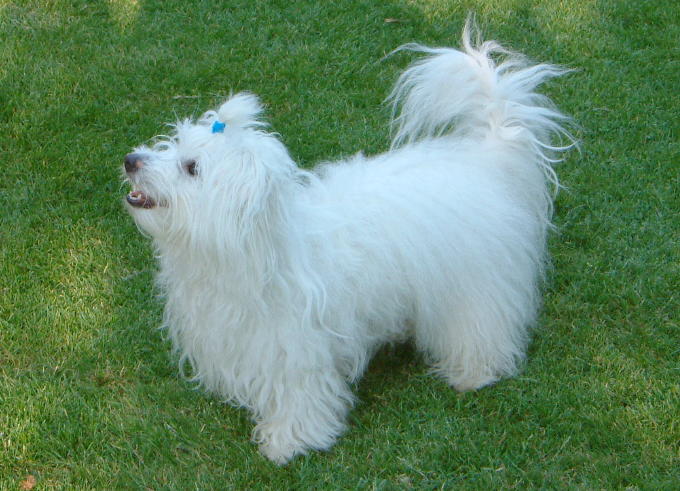
The Coton de Tulear's coat is named after cotton for a reason -- it genuinely feels like touching a high-quality cotton ball. This texture is unique in the dog world, and understanding how it works is the key to maintaining it. No other breed has quite this combination of softness, volume, and dry, airy feel.
What Makes the Cotton Texture
The Coton's coat gets its distinctive texture from a specific combination of hair characteristics:
Hair Structure: Each individual hair has a slight natural kink or wave (not a true curl). This micro-wave creates the cottony fullness by preventing hairs from lying flat against each other. The result is a coat that "stands" with volume rather than draping.
Texture: The hairs feel dry and soft simultaneously -- not oily, not silky, not woolly. The closest comparison is high-quality cotton fiber. This dry quality means the coat does not attract and hold oils the way silk coats do, which contributes to the breed's characteristically fresh, clean feel.
Density: Moderately dense with minimal undercoat. The volume comes from the hair's natural wave creating loft, not from packed layers of dense undercoat. This makes the Coton lighter-feeling than breeds like the Bichon Frise despite similar visual fullness.
Growth Pattern: The coat grows continuously at approximately 0.5 inches per month. Left untrimmed, it reaches 4-6 inches or longer, creating the breed's signature flowing look.
The United States of America Coton de Tulear Club breed education materials describe the ideal coat as having a "puffed cotton" quality that is immediately recognizable to the touch.
The Puppy Coat Transition
Coton de Tulear puppies go through a significant coat change that surprises many first-time owners:
Puppy Coat (birth to 7-12 months): Soft, fine, and relatively easy to maintain. This coat gives new owners a false sense of grooming simplicity.
The Transition (approximately 7-15 months): The puppy coat begins to shed out while the adult coat grows in. During this period -- which can last 2-6 months -- the coat mats more easily than at any other time in the dog's life. Many owners report the worst matting they ever experience during this transition.
Adult Coat (after transition): The mature cottony texture establishes. The coat becomes easier to maintain than during the transition, though it still requires consistent care.
The puppy coat transition is the period when most owners discover they need professional grooming help. The matting during this phase can be intense, and many dogs get their first short clip during the transition to manage the changeover.
Color Evolution
Coton de Tulear coat color is not static -- it evolves throughout the dog's life:
Birth: Puppies may be born with significant champagne, gray, tan, or brown markings, particularly on the ears and body. This surprises owners who expect a pure white puppy.
Development (6 months to 3 years): Colored markings gradually lighten. Most Cotons lighten significantly by 2-3 years old, with some retaining subtle shading on the ears.
Mature Color: Predominantly white with possible faint champagne or gray shading on the ears. The white should be bright and clean, not yellowish or dull.
Color changes do not affect coat texture or grooming requirements. The cottony quality is consistent regardless of color phase.
Shedding: The Happy Truth
The Coton de Tulear is genuinely a low-shedding breed:
- Minimal undercoat means minimal seasonal shedding events
- The continuous-growth hair cycle means individual hairs stay in the follicle longer
- Dead hairs get trapped in the coat rather than falling onto surfaces
- Regular brushing removes trapped dead hair before it contributes to matting
The low shedding comes with a tradeoff: the coat grows continuously and needs regular trimming. You trade vacuum cleaner time for grooming time.
Understanding How Mats Form in Cotton Coat
Mats in a Coton coat form differently than in silk or wool coats:
Friction Zones: Mats form first where body parts rub: behind the ears, in the armpits, in the groin, where the collar sits, and between the hind legs. These areas need priority attention during every brushing session.
Moisture Points: Wet Coton hair tangles readily. After any water exposure -- rain, baths, even drool from play -- the coat must be dried and brushed to prevent matting.
Dead Hair Accumulation: Since dead hairs stay in the coat, they gradually tangle with living hairs. Without regular brushing to remove dead hair, the tangle density increases until a solid mat forms.
The Mat Timeline: In a full-length coat, mats can begin forming within 3-5 days without brushing. In a puppy clip, the timeline extends to 1-2 weeks. In a short clip, 3-4 weeks.
The cotton texture offers one advantage: Coton mats are generally easier to work out than silk-coat mats. The dry, airy texture creates looser tangles that respond to patient detangling with a metal comb. However, mats left unattended for weeks tighten to a point where removal requires cutting.
The Correct Brushing Technique
Daily for full coats (15-20 minutes). Every other day for puppy clips (10-15 minutes). Twice weekly for short clips (5-10 minutes).
Bathing the Cotton Coat
The Coton coat behaves like cotton fabric in water:
- It absorbs heavily: The coat takes a surprisingly long time to saturate. Be patient and ensure water reaches the skin.
- Technique matters: Squeeze and compress the shampoo through the coat rather than scrubbing in circles. Circular scrubbing tangles the cotton texture instantly.
- Rinse exhaustively: Product residue in a Coton coat creates a sticky, dirt-attracting texture that accelerates matting. Rinse until the water runs completely clear, then rinse again.
- Condition lightly: A lightweight conditioner helps manageability but heavy formulas weigh down the cottony volume. Less is more.
- Never air dry a full coat: Air drying creates a crimped, frizzy, unattractive texture. Blow-dry with a pin brush on low-to-medium heat to restore the fluffy, voluminous look.
Coat Health Indicators
- Healthy: Bright white, fluffy with natural volume, cottony texture, slight wave or kink visible in individual hairs
- Nutritional deficiency: Dull coat, yellowish tone to white areas, dry or brittle texture
- Over-bathed: Loss of natural texture, limp or flat-lying coat, dry skin visible
- Product buildup: Greasy or sticky feel, coat attracts dirt excessively, lacks fluffiness
- Allergies: Excessive tear staining, itching, redness at the skin (part the coat to check)
Living With the Cotton Cloud
The Coton de Tulear's coat is a commitment -- daily brushing, regular professional grooming, and attention to the small details that keep cotton hair looking like cotton. But it is also a reward. There is nothing quite like burying your face in a freshly groomed Coton coat. That softness, that volume, that clean cottony smell -- it is the physical embodiment of comfort. Understanding how the coat works makes maintaining that comfort a manageable routine rather than a daily battle.
---
Ready to streamline your grooming workflow? PawOps Board Manager helps salons track every Coton de Tulear from check-in to pickup with real-time visibility. Start your free 30-day trial →
Related Reading: