Understanding Your Cockapoo's Coat: What Every Owner Should Know
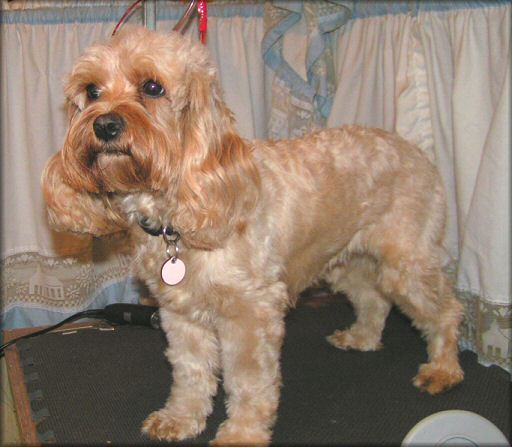
Understanding Your Cockapoo's Coat: What Every Owner Should Know
The Cockapoo coat is a beautiful, unpredictable thing. When you cross a Cocker Spaniel's silky, flowing coat with a Poodle's dense, curly coat, you get a range of outcomes that keeps both owners and groomers guessing. No two Cockapoos are exactly alike in coat texture, curl pattern, or maintenance needs.
That genetic variability is part of the breed's charm. It's also the reason so many Cockapoo owners end up confused about how to care for their specific dog's coat. Let's clear that up.
The Cockapoo Coat Spectrum
Cockapoo coats exist on a spectrum between the two parent breeds. Most fall into one of three general categories, with plenty of variation within each:
Tight Curly Coat
Genetics: Heavily Poodle-influenced. The curling gene is dominant.
What it looks like: Dense, springy ringlets throughout the body. The tightest curly Cockapoo coats can look almost like a Poodle when freshly groomed.
Shedding: Minimal to none. Dead hair stays trapped in the curls rather than falling out. This makes curly Cockapoos the most popular choice for allergy sufferers, though truly zero shedding is rare in any mixed breed.
Maintenance reality: Highest of the three types. Those trapped dead hairs tangle with live hair constantly. Without daily brushing, mats form within days. Professional grooming every 4-5 weeks is the norm.
Wavy/Ringlet Coat
Genetics: A blend of both parent influences. This is the most common Cockapoo coat type.
What it looks like: Loose waves to gentle ringlets. Soft, flowing, and often described as the "teddy bear" texture. The coat has body and movement without the tight spiral of a full curly coat.
Shedding: Low. Some owners notice occasional light shedding, particularly in warmer months, but it's far less than a purebred Cocker Spaniel.
Maintenance reality: Moderate to high. Wavy coats tangle, particularly where the coat rubs against the body (armpits, collar area, behind the ears). Brushing every other day and professional grooming every 5-6 weeks keeps it manageable.
Flat/Straight Coat
Genetics: Heavily Cocker Spaniel-influenced. Less common in Cockapoos but it happens.
What it looks like: Relatively straight, silky, and flowing. Resembles the Cocker Spaniel parent more than the Poodle. May have a slight wave.
Shedding: More than the other two types. Flat-coated Cockapoos shed moderately, similar to their Cocker Spaniel parent.
Maintenance reality: Lowest of the three for matting, but higher for shedding management. Professional grooming every 6-8 weeks is usually sufficient.
A detail that surprises many Cockapoo owners: the curl pattern can vary across different parts of the same dog. It's not unusual for a Cockapoo to have tighter curls on the back and looser waves on the chest, or curlier ears with a wavier body coat. This mosaic pattern is completely normal and just adds to each dog's unique character.
The Puppy to Adult Coat Transition
This is where things get real. And by real, we mean really challenging.
Cockapoo puppies start life with a coat that's typically soft, silky, and relatively easy to manage. It's the coat that makes you fall in love. It's also the coat that's about to change completely.
Between approximately 8 and 14 months of age (the timing varies by individual), the adult coat begins growing in. The incoming adult hair pushes through alongside the existing puppy coat, and for several weeks to months, you're dealing with two different textures on the same dog.
During this period:
- Matting accelerates dramatically. The soft puppy hair tangles with the coarser adult hair at an alarming rate. Sections you brushed in the morning can be tangled by evening.
- The coat's final texture emerges. You'll start to see whether your Cockapoo is heading toward curly, wavy, or straight. The adult coat is usually noticeably different from the puppy coat in texture, density, and sometimes even color.
- Daily brushing becomes mandatory. This isn't a suggestion. During the coat transition, skipping a single day of brushing can result in mats that take significant professional time (and money) to address.
- Shorter styles help. Many groomers recommend keeping the coat clipped shorter during the transition to reduce the surface area available for matting.
Here's a surprising fact: roughly one in three Cockapoo owners reports that their dog's adult coat was significantly different from what they expected based on the puppy coat. A puppy with loose waves might develop tight curls. A puppy with apparent ringlets might end up with a wavier adult coat. The genetic lottery doesn't reveal its full hand until the adult coat is in.
Cockapoo Coat Colors: More Variety Than You'd Think
Cockapoos come in an impressive range of colors, inheriting possibilities from both the Poodle and Cocker Spaniel gene pools:
Solid colors:
- Black (can fade to silver-gray with age)
- Chocolate/Brown (often lightens over time)
- Red (ranges from deep auburn to light copper)
- Apricot (warm golden-peach)
- Cream (pale, almost white)
- Buff (warm, sandy blonde)
- Parti: Large patches of white plus one other color. Increasingly popular.
- Tuxedo: Mostly dark with white chest and paws, resembling a tuxedo.
- Phantom: Two-tone pattern with markings above the eyes, on the cheeks, chest, and legs (similar to a Rottweiler or Doberman pattern).
- Merle: Mottled patches of color. Less common and somewhat controversial due to associated health concerns when two merle dogs are bred together.
- Roan: Base color with intermingled white hairs, creating a speckled effect.
- Sable: Hairs with dark tips over a lighter base. Sable Cockapoos often change dramatically in color as they mature.
This color evolution is normal and purely cosmetic. It doesn't affect coat texture or grooming needs.
What Your Cockapoo's Coat Reveals About Their Health
The coat is a surprisingly useful diagnostic tool:
Changes That Deserve Attention
- Sudden increase in shedding (curly or wavy coats): These coat types should shed minimally. A noticeable increase may indicate stress, hormonal changes, nutritional issues, or illness.
- Dull, lifeless coat: Usually responds to dietary improvements, particularly omega-3 fatty acid supplementation. Can also indicate thyroid issues.
- Dry, brittle texture: May signal dehydration, nutritional deficiency, or over-bathing with harsh products.
- Patchy hair loss: Warrants a vet visit. Could indicate allergies (common in Cockapoos), fungal infection, or hormonal imbalance.
- Persistent itching and skin redness: Cockapoos are moderately prone to allergies, both environmental and food-related. The coat may hide irritated skin that's only discovered during thorough brushing or grooming.
- Recurring ear infections: While not strictly a coat issue, the relationship between ear hair, ear flap length, and infection risk is closely tied to the Cockapoo's coat genetics.
The Groomer's Eye
Professional groomers who see your Cockapoo regularly develop a baseline understanding of what your dog's coat normally looks, feels, and smells like. They catch gradual changes that you might miss because you see your dog daily. Coat density changes, texture shifts, skin condition under the coat -- these are all things an experienced groomer monitors without being asked.
Home Coat Care: Building the Right Routine
A structured home care routine by coat type:
Curly coats (daily, 10-15 minutes):
- Mist coat lightly with water or detangling spray
- Slicker brush through the entire body, working in small sections from skin to tip
- Follow with greyhound comb to verify no tangles remain
- Priority areas: armpits, behind ears, under collar, between hind legs
- Slicker brush through the body
- Greyhound comb check in high-mat areas
- Pin brush for the ears and facial furnishings
- Bristle brush or pin brush through the coat
- Check ears for tangles (the silky ear hair on straight-coated Cockapoos tangles easily)
- Deshedding tool during heavy shedding periods
- Clean around the eyes daily (Cockapoos are prone to tear staining)
- Check ears weekly for odor, redness, or discharge
- Brush BEFORE bathing (water turns tangles into concrete)
- Use a leave-in conditioner spray to reduce static and tangling
The Coat Through Your Cockapoo's Life
- Birth to 8 months: Soft puppy coat. Relatively easy. Introduce grooming tools and professional grooming during this window for lifelong cooperation.
- 8-14 months: Coat transition. The challenging period. Adult coat growing in. Maximum mat potential. Professional grooming every 3-4 weeks.
- 1-2 years: Adult coat stabilizing. Maintenance routine becoming clear. You now know your Cockapoo's coat type for life.
- 2-8 years: Prime adult coat. Established routine. Color may continue evolving gradually.
- 9+ years: Coat may thin slightly. Texture may soften. Some senior Cockapoos develop a drier coat that benefits from increased conditioning. Grooming sessions may need to be gentler and shorter.
---
Ready to streamline your grooming workflow? PawOps Board Manager helps salons track every Cockapoo from check-in to pickup with real-time visibility. Start your free 30-day trial →