Why Your Clumber Spaniel Needs Professional Grooming (That Coat Won't Manage Itself)
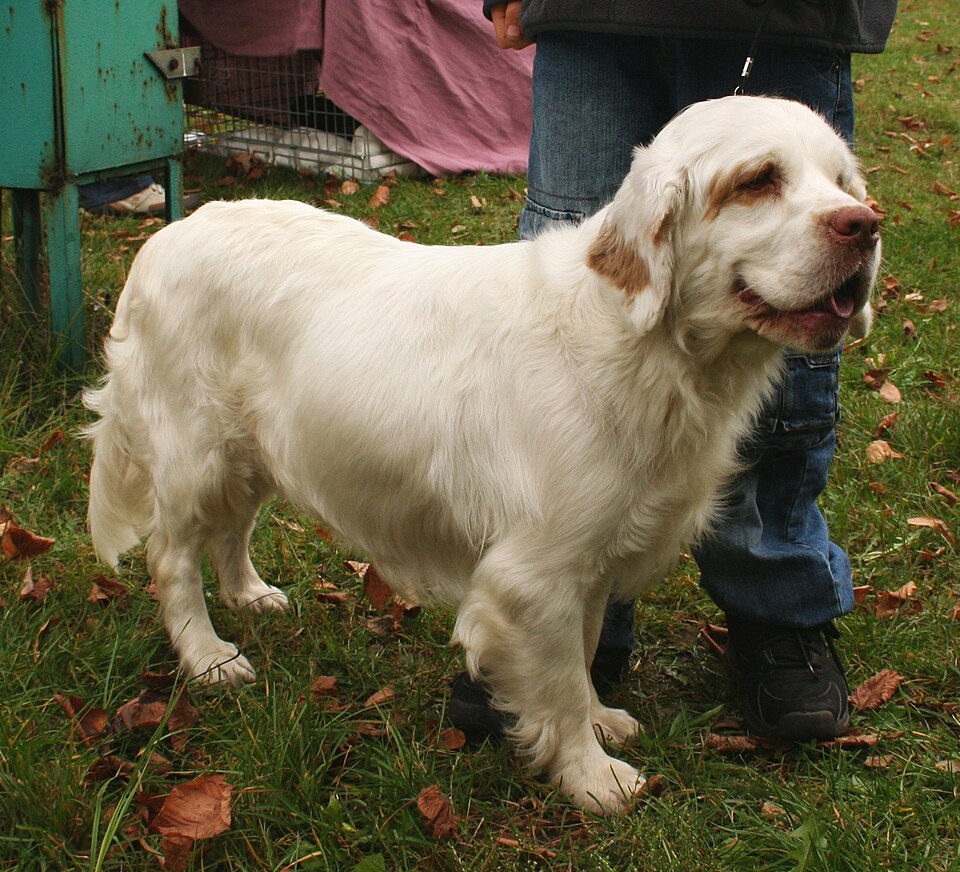
Why Your Clumber Spaniel Needs Professional Grooming (That Coat Won't Manage Itself)
Clumber Spaniels are the heavyweights of the spaniel world -- literally. At 55 to 85 pounds with a low-slung, powerful build and a dense white coat that sheds like it has somewhere to be, these dogs present grooming challenges that most owners seriously underestimate. That calm, dignified temperament? Wonderful for living with. But it masks a coat that requires consistent professional attention to stay healthy.
Let us talk about why your Clumber needs a groomer, not just a bath at home.
The Clumber Coat Is Deceptively High-Maintenance
At first glance, the Clumber Spaniel's coat looks relatively straightforward. It is flat, dense, and medium-length with feathering on the ears, chest, belly, and legs. No curls, no wiry texture, no elaborate styling required. Seems manageable, right?
Here is where owners get caught off guard. That flat coat sits on top of a thick, weather-resistant undercoat that was bred for pushing through dense English underbrush. The Clumber was developed as a flushing dog for heavy cover, and every aspect of their coat reflects that history. The undercoat traps dead fur, moisture, and debris against the skin. The feathering tangles and mats where it rubs against the body. And the whole package sheds -- constantly, generously, and without regard for your furniture.
According to the Clumber Spaniel Club of America, the breed is classified as a heavy shedder year-round with seasonal blowouts that can last several weeks. Professional grooming addresses the layers of maintenance this coat demands in ways that home care simply cannot replicate.
What Professional Grooming Actually Does for a Clumber
A professional grooming session for a Clumber Spaniel is not a luxury spa day. It is functional maintenance for a working breed coat.
Deep Undercoat Removal
This is the big one. Clumbers carry a substantial undercoat that sheds continuously. At home, you can brush the topcoat and feel like you have accomplished something, but the dead undercoat stays packed against the skin. Professional groomers use high-velocity dryers that blast loose undercoat out in quantities that will genuinely shock you the first time you see it. They follow up with undercoat rakes and deshedding tools that reach layers a regular slicker brush misses.
Without this deep removal, dead undercoat creates a felt-like layer against the skin that traps heat and moisture. In warm climates, this is a direct path to hot spots and bacterial skin infections.
Feathering Management
Clumber feathering grows on the ears, chest, belly, backs of the legs, and around the feet. These areas mat easily because the longer hair rubs against the body during movement. Behind the ears is especially problematic -- the soft ear feathering tangles against the ear leather and can create tight mats that pull painfully on sensitive skin.
A professional groomer trims and thins feathering to keep it neat without removing the breed's characteristic look. They also check for mats in spots most owners miss entirely, like between the toes and in the armpit area.
Ear Care Is Non-Negotiable
Clumber Spaniels have large, heavy, low-set ears with dense feathering. This combination creates a warm, moist environment inside the ear canal -- basically an incubator for yeast and bacterial infections. The AKC notes that breeds with heavy, pendulous ears are significantly more prone to ear infections than erect-eared breeds.
Professional groomers clean the ear canal, remove excess hair, and check for early signs of infection that owners frequently miss because the ear leather covers everything. For Clumbers, this alone justifies regular grooming appointments.
Skin Assessment on a Heavy Breed
Clumbers carry their weight low and close to the ground. Their chest and belly contact grass, dirt, and moisture regularly. Combined with skin folds around the face and loose skin on the body, there are plenty of hidden areas where irritation, fungal growth, and contact dermatitis develop silently. A groomer parts the coat section by section and checks what is happening at skin level.
Nail and Paw Maintenance
At 55 to 85 pounds on a compact frame, nail length matters structurally. Overgrown nails change how a Clumber distributes weight across joints that are already handling a lot of load. Professional nail trimming or grinding keeps gait mechanics healthy. Groomers also trim the fur between paw pads, which collects mud, ice, and debris that cause slipping and irritation.
What Happens When Grooming Gets Skipped
Clumber owners who stretch grooming intervals too far run into predictable problems:
- Matting in the feathering. Ear and leg feathering mats tighten over time. Once a mat reaches the skin, the only option is cutting it out, which leaves uneven patches.
- Chronic shedding overload. Without professional undercoat removal, dead fur accumulates and sheds chaotically. Owners describe it as fur tumbleweeds rolling across the floor daily.
- Ear infections. Clumber ears need regular cleaning. Skip it and you are looking at veterinary bills of $100 to $300 for treatment.
- Skin issues hiding under the coat. Hot spots, yeast infections, and flea dermatitis all thrive under a dense, neglected coat. By the time you notice scratching, the problem is established.
- Foot problems. Overgrown nails plus matted paw pads equal a Clumber that moves awkwardly and may develop joint stress.
How Often Should a Clumber Spaniel See the Groomer
Most Clumber Spaniels do well on a six to eight week grooming schedule, with more frequent visits during spring and fall shedding blowouts.
| Season | Recommended Frequency | Focus | |--------|-----------------------|-------| | Spring (shedding blowout) | Every 4-5 weeks | Heavy deshedding, undercoat removal | | Summer | Every 6-7 weeks | Skin checks, feathering trim, ear care | | Fall (shedding blowout) | Every 4-5 weeks | Deshedding, coat prep for winter undercoat | | Winter | Every 6-8 weeks | Standard maintenance, paw pad care |
Between visits, brush your Clumber two to three times per week with a slicker brush and steel comb. Pay extra attention to the feathering areas and behind the ears.
Choosing the Right Groomer for Your Clumber
Clumber Spaniels are not exactly common -- the AKC consistently ranks them among the rarer sporting breeds, with only about 200 puppies registered annually in the US. Not every groomer has hands-on experience with this breed.
Look for a groomer who:
- Has experience with sporting breeds and understands double coat management
- Uses condition-based assessment rather than generic breed pricing
- Will spend time on ear care, not just the coat
- Can explain their approach to feathering -- trimming for neatness while preserving the breed's natural look
- Is comfortable handling a large, heavy dog on the grooming table
The Real Cost of Skipping Professional Grooming
Here is the math that makes the case clearly. Professional Clumber grooming runs roughly $75 to $120 per session. A single ear infection vet visit costs $150 to $300. A skin infection requiring antibiotics and medicated shampoo runs $200 to $500. One matting-related shave-down that could have been prevented costs the same as two regular grooming appointments plus the emotional toll of seeing your Clumber without their signature coat.
Professional grooming is not an expense. It is prevention.
PawOps helps grooming salons assess heavy-coated sporting breeds using condition scoring and coat difficulty analysis -- so your Clumber Spaniel gets the time and attention their coat actually requires, every visit.
Related Reading: