Why Your Chesapeake Bay Retriever Needs Professional Grooming
Why Your Chesapeake Bay Retriever Needs Professional Grooming
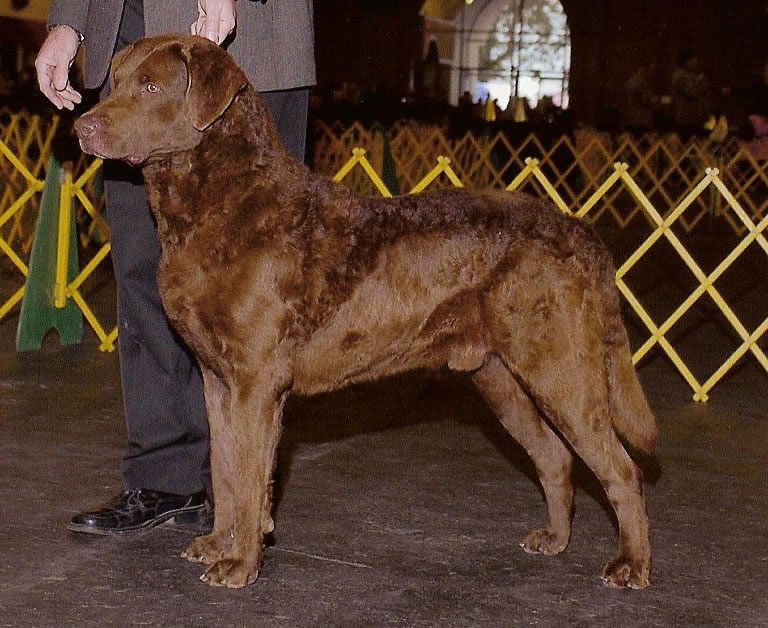
The Chesapeake Bay Retriever — the Chessie — is a rugged, no-nonsense working dog with a coat to match. That oily, waterproof double coat was built for ice-cold Chesapeake Bay water retrieves, and it's unlike any other retriever coat. Chesapeake bay retriever professional grooming requires understanding this unique coat and treating it with the specific care it demands.
Here's what makes Chessie grooming different and why professional help matters.
The Most Waterproof Coat in the Retriever Group
The Chessie's coat is special. Really special. It's:
- Oily: The skin produces significantly more sebum than most breeds, creating a natural waterproofing layer
- Dense: A thick, woolly undercoat insulates against frigid water temperatures
- Wavy: The outer coat has a characteristic wave — not curly, not straight, but distinctly undulating
- Water-resistant on a different level: A Chessie emerging from water is nearly dry after a single shake. The oil and density work together to repel water before it reaches the skin.
Why This Coat Needs Professional Understanding
The Chessie coat's unique properties create specific grooming requirements that differ from other retriever breeds:
The oil must be preserved: Over-bathing or using harsh shampoos strips the natural oils that make the coat waterproof. A professional groomer who understands the breed knows to bathe sparingly and use gentle products that clean without degreasing.
The undercoat is dense and functional: The thick, woolly undercoat provides insulation that allows Chessies to work in water as cold as 34°F. Professional grooming manages the undercoat — removing dead hair during shedding season — without compromising its insulating function.
The coat shouldn't be altered: Unlike breeds that benefit from trimming and shaping, the Chessie coat should be left largely natural. No clipping, minimal trimming. A professional groomer who tries to "neaten up" a Chessie by over-trimming is actually damaging the coat's function.
Drying requires knowledge: The oily coat and dense undercoat create unique drying challenges. Over-drying with high heat can damage the natural oils. Under-drying leaves moisture trapped in the undercoat. Professional groomers balance thoroughness with coat preservation.
What Professional Chessie Grooming Looks Like
A proper Chessie groom is focused and purposeful:
1. Thorough brushing: Starting with an undercoat rake to remove loose undercoat, followed by a bristle brush to smooth the outer coat. The wave pattern should be preserved, not brushed out.
2. Selective bathing: Many experienced Chessie groomers bathe less frequently than with other breeds. When bathing is needed, they use mild shampoo — ideally one designed for oily or waterproof coats — and don't use conditioner, which can compromise the coat's natural waterproofing.
3. Appropriate drying: Moderate heat, thorough but not excessive. The goal is removing moisture without stripping oils. Some Chessie groomers prefer partial air-drying for this reason.
4. Minimal trimming: Only the paw pads (removing excess hair for traction), the area around the pads, and possibly some tidying of the ear edges. Nothing more. The American Chesapeake Club specifically warns against excessive trimming.
5. Ear cleaning: Chessies have medium-length ears that fold, and water dogs need vigilant ear care. Professional cleaning at every visit.
6. Nail trimming: Standard but essential.
7. Skin assessment: The dense coat conceals everything. A groomer checking the skin during brushing and bathing catches issues that owners can't see.
Total time: 45-75 minutes. Shorter than many retriever grooms because the trimming component is minimal.
The Shedding Reality
Chessies shed heavily — particularly during spring and fall coat transitions. That dense undercoat doesn't just release a few hairs; it releases in clumps and waves over 2-4 weeks.
Professional de-shedding during these peak periods is incredibly valuable. The combination of undercoat raking, appropriate bathing, and high-velocity drying removes dramatically more dead coat than home brushing alone. Many Chessie owners schedule extra de-shedding appointments during spring specifically for this purpose.
According to breed surveys, Chesapeake Bay Retrievers rank in the top 15% of breeds for shedding volume. The upside is that outside of shedding season, the coat is relatively manageable.
What Goes Wrong Without Proper Professional Care
- Over-bathing strips the coat's waterproofing. A Chessie bathed weekly with regular dog shampoo loses its water resistance within months.
- Incorrect products leave residue that clogs the natural oil production or create a coat that feels wrong — too soft, too dry, or too flat.
- Ignoring the undercoat leads to packed, dead undercoat that doesn't insulate properly and creates skin issues.
- Over-trimming changes the coat's natural texture and wave pattern, which doesn't grow back the same way.
Home Care Between Visits
The Chessie is actually relatively easy to maintain at home:
- Weekly brushing with a bristle brush and undercoat rake (15 minutes)
- Increase to daily during shedding season
- Don't bathe at home unless necessary — and when you do, use gentle products
- Dry ears after every swim
- Let the coat be oily — that's how it's supposed to feel
Your Chesapeake Bay Retriever was built for the toughest water work in North America. Professional grooming that respects the coat's unique design keeps your dog ready for anything — whether that's a November retrieve or a walk in the rain.
---
Ready to streamline your grooming workflow? PawOps Board Manager helps salons track every Chesapeake Bay Retriever from check-in to pickup with real-time visibility. Start your free 30-day trial →
Related Reading: