Understanding Your Cane Corso's Coat: What Every Owner Should Know
Understanding Your Cane Corso's Coat: What Every Owner Should Know
The Cane Corso looks low-maintenance. That short, glossy coat practically screams "I take care of myself." And compared to a Goldendoodle or an Afghan Hound, sure, the Corso's coat is simpler. But simpler doesn't mean zero maintenance, and there's more going on with that coat than meets the eye.
If you own a Cane Corso -- or you're thinking about getting one -- understanding the coat helps you keep your dog healthy, comfortable, and looking like the powerful breed they are.
The Cane Corso Coat Structure
The Cane Corso has a short double coat, and the "double" part is where most owners get surprised.
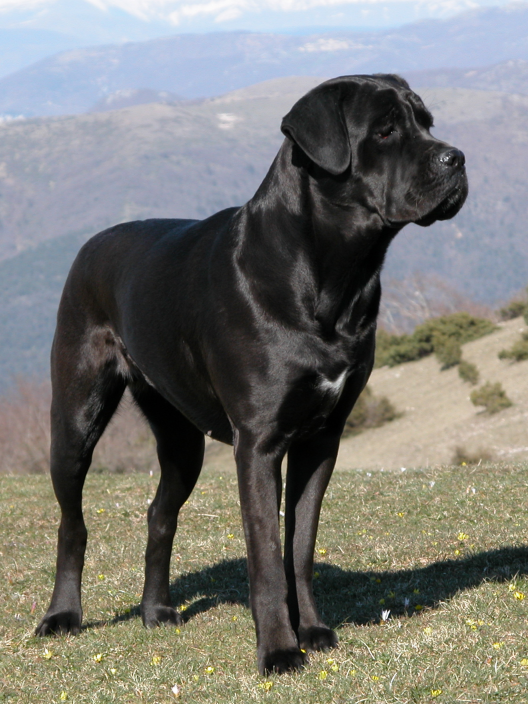
Outer coat: Short, stiff, and glossy. The individual hairs are coarse and lie flat against the body. This layer is essentially a weather shield -- it repels light rain, blocks UV exposure, and provides a first line of defense against minor scrapes and insect bites.
Undercoat: Shorter and softer than the outer coat, this layer varies in density depending on climate and individual genetics. Corsos living in colder regions tend to develop a thicker undercoat than those in warm climates. This undercoat provides insulation -- warmth in winter and, counterintuitively, cooling in summer by creating an air buffer between the skin and the environment.
Here's a surprising fact that many Cane Corso owners don't know: the breed standard actually describes two acceptable coat textures. The typical short, close-lying coat is most common, but some Corsos develop a slightly longer coat with more prominent undercoat density. Both are correct for the breed, but the denser version sheds noticeably more and requires slightly more grooming attention.
The coat length on a Cane Corso typically maxes out at about one inch. There's no feathering, no furnishings, no long hair anywhere. What you see is what you get -- which makes coat health issues harder to hide and easier to monitor once you know what to look for.
Cane Corso Coat Colors and What They Mean for Care
Cane Corsos come in several colors, and the color actually affects coat care more than you might expect:
Black: The most common color. Black coats show dust, dander, and dried drool readily. They also absorb more heat in direct sunlight, making temperature management important during summer.
Gray (also called blue): A dilute black that creates a beautiful steel-gray appearance. Gray Corsos are more prone to a condition called Color Dilution Alopecia (CDA), where the diluted pigment affects hair shaft integrity. Dogs with CDA develop dry, brittle hair that breaks easily and can lead to patchy thinning, particularly along the back and flanks. Not every gray Corso gets CDA, but it's significantly more common in dilute-colored dogs.
Fawn: Ranges from light tan to deep reddish-brown. Fawn coats tend to show tear staining and drool discoloration more visibly than darker colors. The lighter the fawn, the more maintenance required to keep the coat looking clean.
Red: A deep, warm reddish-brown. Similar care considerations to fawn, with slightly less visible staining.
Brindle: Tiger-stripe patterning over a fawn or red base. Brindle coats are generally the most forgiving in terms of visible dirt and staining. The pattern naturally camouflages minor discoloration.
According to dermatology research published in veterinary journals, dilute-colored dogs (gray and light fawn Cane Corsos included) have a 3-4x higher incidence of skin sensitivity and allergic dermatitis compared to their darker counterparts. If your Corso is gray or light fawn, expect to invest more in skin-specific grooming care.
The Cane Corso Shedding Cycle
This is where "short coat equals low shedding" falls apart.
Cane Corsos shed year-round at a moderate level. Those short, stiff hairs drop continuously and embed themselves into everything -- couches, car seats, black pants, carpet. Because the hairs are short and rigid, they're actually harder to vacuum and lint-roll than longer, softer dog hair.
Twice a year -- typically spring and fall -- the undercoat blows. During these periods, shedding increases dramatically for 2-4 weeks. A Cane Corso in full blow looks like it's generating hair from nowhere. You'll find tufts of soft undercoat coming out in clumps, and the amount of hair a 100-pound dog can drop is genuinely impressive.
Factors that influence shedding intensity:
- Climate. Corsos in regions with distinct seasons shed more dramatically during transitions. Those in consistently warm climates may shed more evenly year-round with less intense seasonal blows.
- Indoor vs. outdoor living. Dogs that spend more time indoors with climate control may have disrupted shedding cycles, sometimes shedding moderately year-round instead of having distinct blow periods.
- Spay/neuter status. Hormonal changes after spaying or neutering can temporarily increase shedding.
- Stress. Cane Corsos under stress shed more. New environments, changes in routine, or anxiety can trigger increased hair loss.
- Diet. Poor nutrition shows in the coat. Inadequate protein or fatty acid intake leads to dull, brittle hair that sheds more than healthy hair.
What Your Cane Corso Coat Is Telling You
The beauty of a short coat is that changes are visible quickly. Your Corso's coat is a real-time health dashboard if you know how to read it.
Healthy coat indicators:
- Smooth, glossy sheen on the outer coat
- Even color distribution without patches
- Supple skin underneath with no flaking
- Hair lies flat and even across the body
- No excessive scratching or biting at the coat
- Dull, dry coat: Usually the first sign of nutritional deficiency, particularly omega fatty acids. Can also indicate dehydration, thyroid issues, or chronic stress. A Cane Corso coat should have a visible sheen -- when it goes matte, something is off.
- Excessive shedding outside normal cycles: Could signal allergies, hormonal imbalance, or internal health issues. If your Corso suddenly starts shedding significantly more than usual outside of seasonal transitions, a vet check is warranted.
- Patchy hair loss: Allergies, fungal infections (ringworm), bacterial skin infections, or demodectic mange. Cane Corsos are unfortunately prone to demodex mites, especially as puppies and young adults. Patchy hair loss on the face, paws, or limbs in a young Corso should prompt an immediate vet visit.
- Redness, bumps, or hives: Allergic reaction -- could be food, environmental, or contact allergy. Cane Corsos rank in the top 20 breeds for allergic dermatitis.
- Persistent dandruff: Dry skin, poor nutrition, or in some cases parasitic infestation. Mild dandruff that resolves with moisturizing shampoo is normal. Persistent dandruff despite good care needs investigation.
- Darkened or thickened skin: Chronic irritation or infection. The skin darkens as a response to ongoing inflammation -- it's the body's attempt to protect itself. This is not normal aging; it's a medical concern.
Caring for Your Cane Corso Coat at Home
Home coat care for a Cane Corso is straightforward but needs to be consistent.
Brushing
Frequency: Once or twice a week normally, every other day during shedding season.
Best tools:
- Rubber curry mitt or grooming glove: The best tool for a Corso's coat. The rubber nubs grip and remove dead hair effectively without irritating the skin. Use in circular motions over the entire body.
- Bristle brush: Use after the curry mitt for smoothing and distributing natural oils.
- Deshedding tool (like a Furminator): Use sparingly and carefully during shedding season only. These tools are effective but can irritate the skin if overused. Once a week during blow periods is sufficient.
The brushing routine takes about 5-10 minutes. For a breed this size, that's a remarkably small time investment with a big payoff in reduced household hair and healthier skin.
Bathing
Frequency: Every 6-8 weeks, or as needed.
- Use a gentle, pH-balanced dog shampoo. Oatmeal-based formulas work well for Corsos with sensitive skin.
- For gray or dilute-colored Corsos prone to CDA, use a moisturizing shampoo and follow with conditioner.
- Pay special attention to skin folds during bathing -- these areas need thorough cleaning and, critically, thorough drying.
- Rinse completely. Shampoo residue on a Corso's short coat sits directly against the skin with no buffer, causing irritation faster than on long-coated breeds.
- Dry thoroughly with towels and, ideally, a high-velocity dryer. Don't let a Corso air-dry, especially in skin folds.
Nutrition for Coat Health
Diet has an outsized impact on the Cane Corso coat:
- Omega-3 fatty acids (fish oil, salmon oil): The single most effective supplement for coat quality in short-coated breeds. Results visible within 3-4 weeks.
- High-quality protein: The coat is essentially protein (keratin). Inadequate protein intake directly impacts coat health and growth. Cane Corsos need 25-30% protein in their diet.
- Zinc: Important for skin cell turnover. Large breeds can be prone to zinc-responsive dermatosis, which causes crusting and hair loss. Most quality dog foods provide adequate zinc, but some Corsos benefit from supplementation.
- Biotin: Supports coat strength and may reduce excessive shedding.
- Hydration: A well-hydrated dog has a more supple coat. Make sure fresh water is always available -- a Cane Corso can drink over a gallon per day.
The Cane Corso Coat and Climate
This breed originated in Italy, where the climate ranges from Mediterranean to continental. The coat evolved accordingly -- versatile but not extreme in either direction.
Hot weather: The short coat handles heat better than a thick double coat, but the undercoat still provides insulation. Never shave a Cane Corso thinking it will cool them down -- removing the coat actually eliminates their natural sun protection and temperature regulation. Black and dark-colored Corsos are especially vulnerable to overheating and sunburn on shaved skin.
Cold weather: Cane Corsos tolerate moderate cold reasonably well thanks to their undercoat, but they're not Arctic breeds. In temperatures below 30 degrees Fahrenheit, most Corsos benefit from a coat or sweater during extended outdoor time. Their short coat provides minimal insulation compared to breeds designed for cold climates.
Rain and moisture: The outer coat repels light rain effectively, but prolonged wetness soaks through. Always dry your Corso thoroughly after rain exposure, paying attention to skin folds that trap moisture.
Common Cane Corso Coat Myths
Myth: Cane Corsos are hypoallergenic because they have short hair. Reality: Cane Corsos are absolutely not hypoallergenic. They shed, they produce dander, and they drool -- all significant allergen sources.
Myth: Short-coated dogs don't need grooming. Reality: They need different grooming, not no grooming. Skin health, nail care, ear maintenance, and deshedding are all essential.
Myth: You should shave a Cane Corso in summer to keep them cool. Reality: The coat provides UV protection and temperature regulation. Shaving removes these benefits and can cause sunburn, heat sensitivity, and abnormal regrowth.
Myth: Coat color doesn't affect health. Reality: Dilute colors (gray, light fawn) are associated with higher rates of skin sensitivity and Color Dilution Alopecia.
Your Cane Corso's coat is a window into their overall health. It's short, it's manageable, and it rewards consistent attention with a glossy, powerful-looking finish that makes the breed so visually striking. Pay attention to it, care for it properly, and it will tell you everything you need to know about how your dog is doing.
---
Ready to streamline your grooming workflow? PawOps Board Manager helps salons track every Cane Corso from check-in to pickup with real-time visibility. Start your free 30-day trial →