Why Your Briard Needs Professional Grooming (That Coat Is a Full-Time Job)
Why Your Briard Needs Professional Grooming (That Coat Is a Full-Time Job)
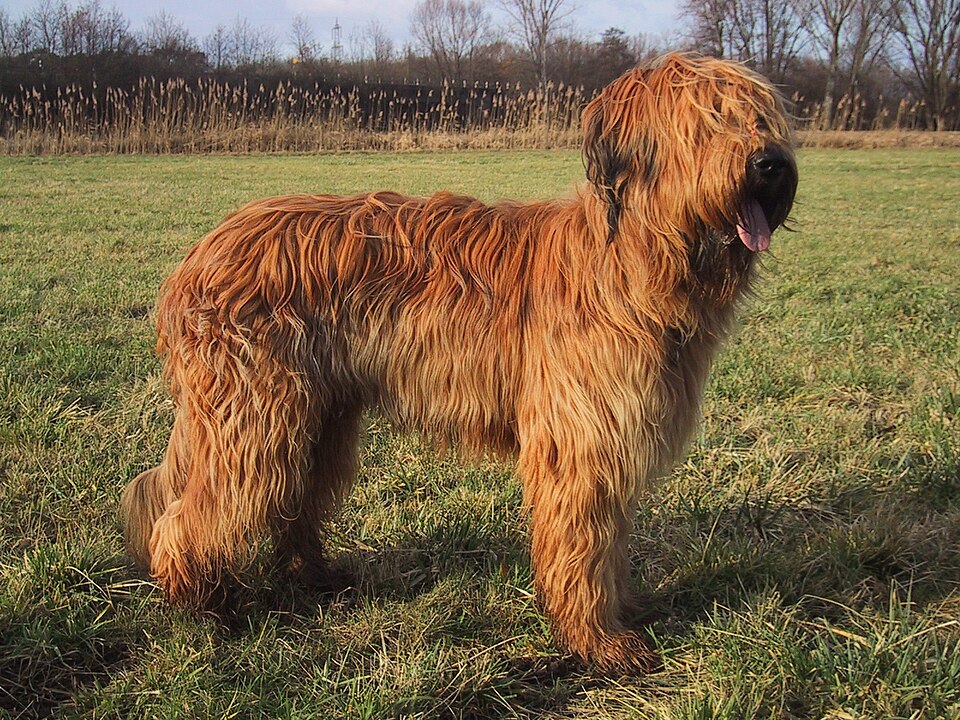
The Briard is a French herding breed with one of the most demanding coats in the working dog world. That long, slightly wavy, dry-textured double coat looks stunning when maintained -- and absolutely disastrous when neglected. There is no middle ground with a Briard coat. It is either being actively managed or it is matting into felt. Professional grooming is not optional for this breed. It is the difference between a beautiful, comfortable dog and a painful, matted mess.
What Makes the Briard Coat So Demanding
The Briard has a double coat with a unique texture unlike most other long-coated breeds. The outer coat is long (typically six inches or more), slightly wavy, and has a dry, almost coarse texture that has been described as "goat-like." It is not silky like a Yorkie's coat or fluffy like a Bichon's. It has body, texture, and a distinct tendency to tangle.
The undercoat is fine and tight, lying close to the body. It provides insulation and structure but also creates the foundation for matting when it sheds and tangles into the outer coat.
Here is what makes the Briard particularly challenging: that dry, textured outer coat does not slide past itself the way silky coats do. The individual hairs grip each other, which means any friction -- from lying down, wearing a collar, leaning against furniture, even the wind -- creates tangles that tighten into mats. A Briard that is not brushed for three days can develop mats that a Maltese might take a week to form.
What Professional Grooming Handles
Deep Brush-Out
A professional Briard brush-out is not a surface-level job. The groomer works through the entire coat -- every layer, from skin to tip -- section by section. This includes the areas owners most commonly skip: behind the ears, in the armpits, inside the hind legs, and under the chest. These are the first places mats form, and they are the last places most owners brush.
A thorough professional brush-out on a Briard in good condition takes 30 to 60 minutes by itself. On a dog with significant matting, it can take hours.
Mat Detection and Management
Professional groomers can feel mats that are invisible to the eye. Small, tight mats close to the skin hide under the outer coat and pull painfully with every movement. A groomer systematically checks the entire coat, detects these hidden mats, and removes them before they grow into larger problems.
According to professional grooming industry data, herding breeds with long, textured coats like the Briard are among the most common breeds presented with severe matting. Approximately 40 percent of Briard grooming appointments involve some degree of mat removal beyond basic detangling.
Bathing and Drying
Bathing a Briard properly is an art. The coat must be completely detangled before bathing -- getting a tangled Briard coat wet will tighten every mat into an iron-hard knot. The long coat requires thorough saturation, careful shampooing that reaches the skin without roughing up the outer coat, and equally thorough rinsing.
Drying is equally critical. A Briard that air dries will mat during the drying process as the wet coat tangles and dries in place. Professional high-velocity blow drying straightens the coat, removes loose undercoat, and ensures the skin is completely dry.
Trimming
Briards do not get full haircuts in the traditional sense -- the breed standard calls for a natural coat. But they need targeted trimming: paw pads, sanitary areas, ear edges, and sometimes a light tidy of the feet and outline. Professional groomers know how to trim a Briard in a way that maintains the natural look while removing the areas where hygiene problems develop.
Ear Care
Briards have long, heavily furred ears that hang flat against the head. The combination of weight, fur, and limited airflow makes them prime real estate for ear infections. A groomer cleans the ears, removes excess hair from the ear canal if present, and checks for early signs of infection.
The Cost of Neglecting Grooming
A neglected Briard coat deteriorates fast:
- Week 1 without brushing: Tangles begin forming in high-friction areas
- Week 2: Tangles tighten into small mats, especially behind ears and armpits
- Month 1: Mats grow together, covering larger areas. Coat begins to "felt" in sections.
- Month 2+: Large mat plates form, pulling on skin with every movement. Skin underneath becomes irritated, moist, and potentially infected.
How Often Should a Briard See a Groomer
| Coat Length | Grooming Frequency | Home Brushing | |-------------|-------------------|---------------| | Full show-length coat | Every 4-5 weeks | Daily | | Moderate length (pet trim) | Every 5-6 weeks | Every other day | | Shortened clip (low maintenance) | Every 6-8 weeks | 2-3 times per week |
Regardless of coat length, a Briard needs more frequent grooming than most breeds. The coat texture simply does not allow for long intervals.
A Surprising Fact About Briard Coats
Here is something most people do not realize about the Briard: this breed has double dewclaws on the hind legs. Each rear foot has two extra toes, each with its own nail. These extra dewclaws are hidden under the long coat and are easy to forget about. If the nails are not trimmed regularly, they grow in a curve back toward the paw pad, eventually piercing the skin. This is a breed-specific grooming need that many general groomers overlook. When booking a Briard grooming appointment, specifically mention the double rear dewclaws to make sure they are included in the nail work.
Finding the Right Groomer
Look for:
- Experience with long-coated herding breeds -- Briards, Bearded Collies, Old English Sheepdogs
- Willingness to spend the time -- a Briard groom is not a 45-minute appointment
- Proper drying equipment -- high-velocity dryers are non-negotiable for this coat
- Knowledge of the breed standard -- a groomer who understands that Briards should look natural, not sculpted
- Awareness of double dewclaws -- ask specifically if they know about the Briard's rear dewclaws
PawOps helps grooming salons assess long-coated breeds using condition scoring that accounts for mat severity, coat density, and the real time investment these coats demand -- so your Briard gets the thorough care they need without cutting corners.